Read

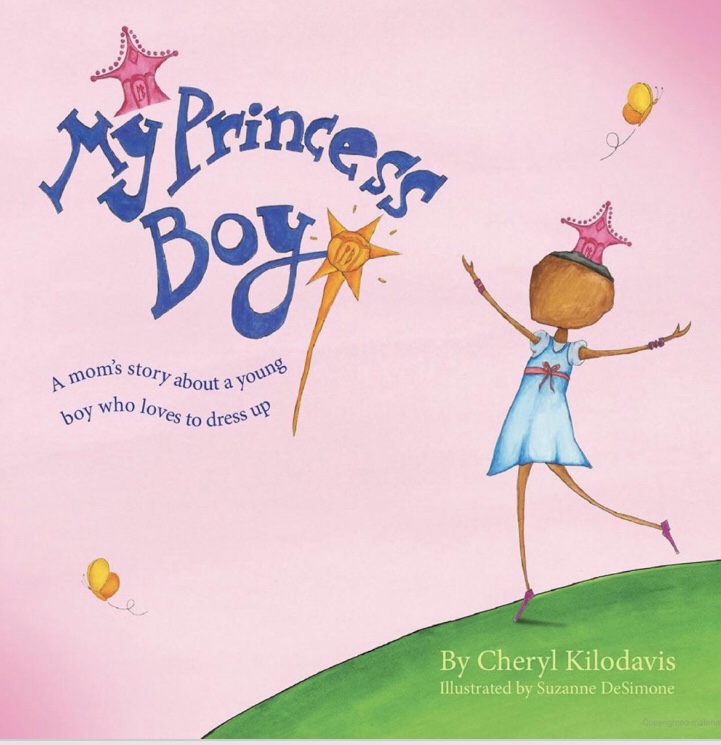
My Princess Boy


Author: Cheryl Kilo Davis

As early childhood educators and parents we need to be cognizant of the ways we broaden children’s understanding of sexuality, sex, gender and gender identity.

The book titled: My Princess Boy, supports discussion of gender identity as it introduces the concept of “transgender” while also promoting acceptance.

My Princess Boy tells the story of a four-year-old child named Dyson. Dyson loves pink and sparkly things. Things that are commonly associated with girls. Sometimes Dyson wears dresses and sometimes he wears jeans. He is happiest when he is able to express his authentic self.

When reading My Princess Boy discuss with your children the following questions:

  • Would you laugh at him?
  • Would you play with him?
  • Would you call him names?
  • Would you be his friend?
  • Would you like him for who he is?

Supporting children in the early childhood environment:

  • Provide a variety of clothing for dressing up and play
  • Ask children how they feel in a variety of different clothing
  • Have children create self portraits of the way they see themselves. Use
    this opportunity to discuss the individual uniqueness and characteristics that make us who we are, and that we are not defined by restrictions of sex and gender.
  • You can view a free reading of the book “My Princess Boy” here:

create

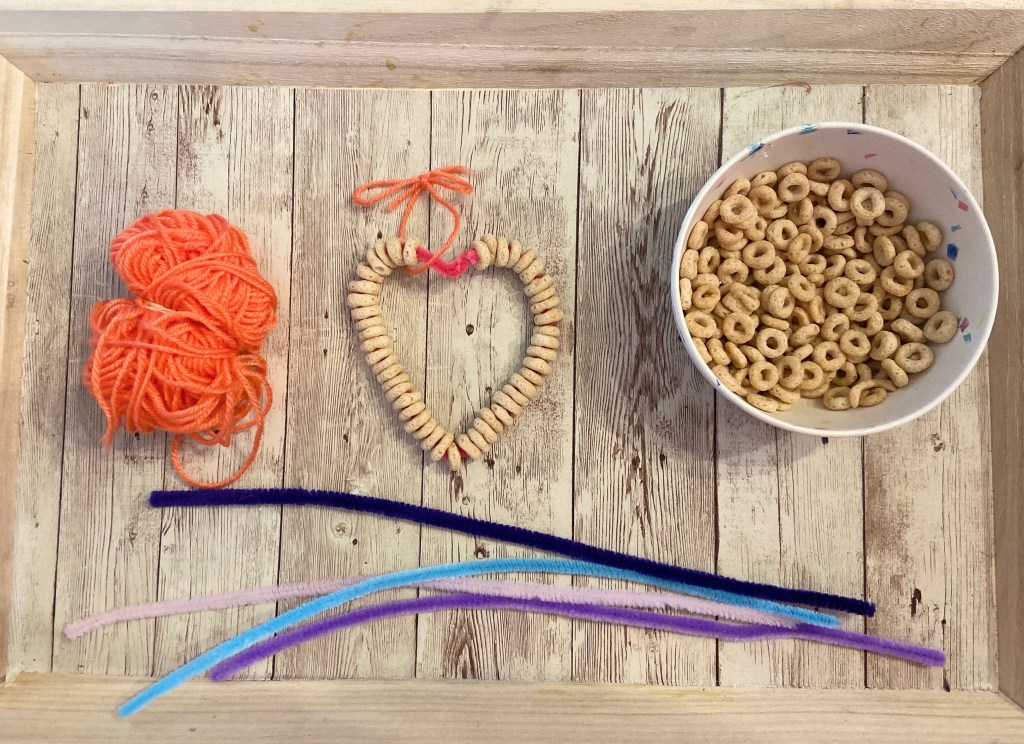
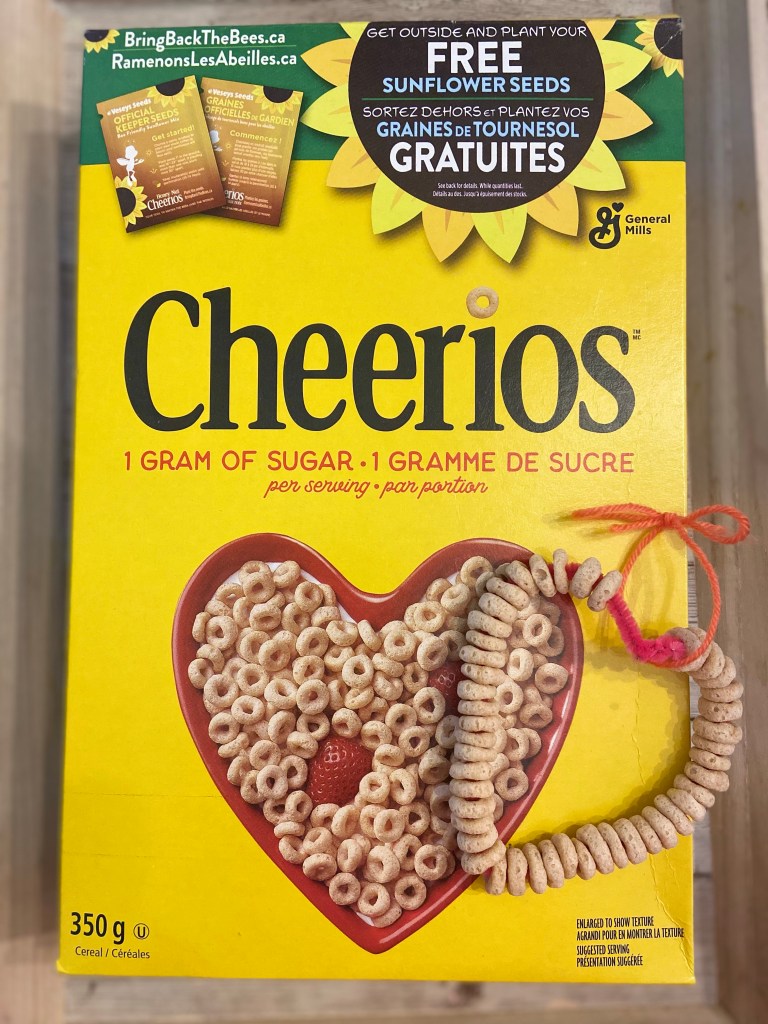
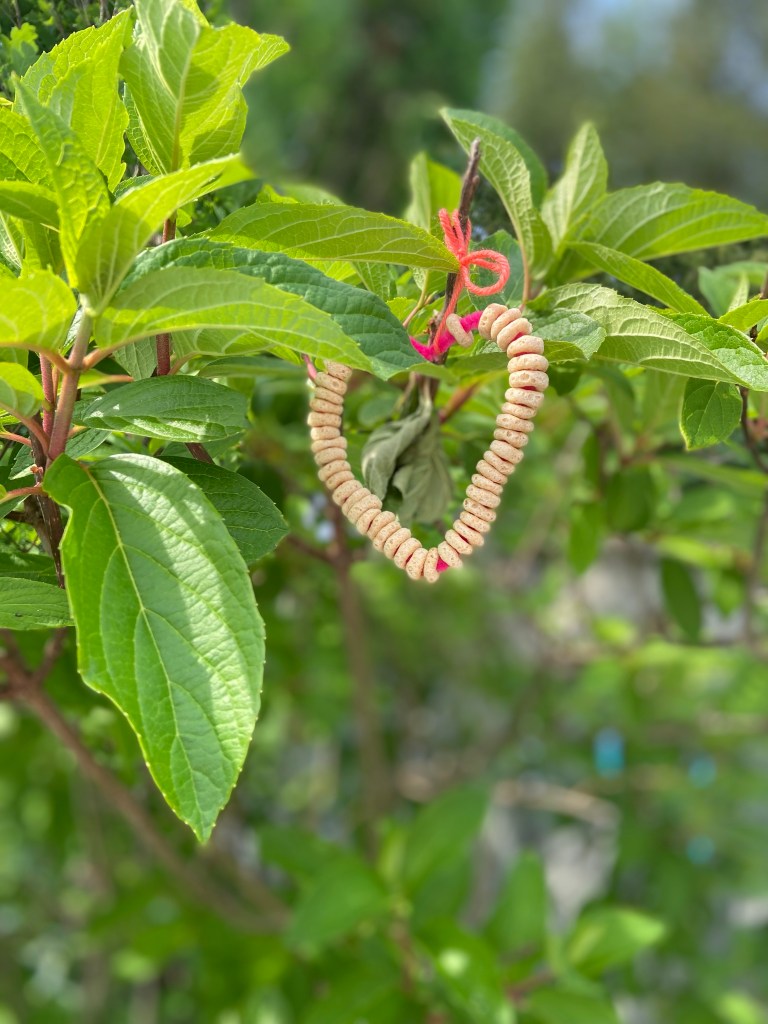
Cheerio Bird Feeder

Use regular Cheerios to ensure that this treat is safe for birds to eat.

Supplies

  • Cheerios
  • Pipe cleaners
  • Twine, yarn or string
Original Cheerios

Instructions

  1. Bend the end of a pipe cleaner to keep the Cheerios from falling off.
  2. Thread the Cheerios onto pipe cleaner and twist ends together.
  3. Loop a piece of twine around the pipe line cleaner and secure with a knot.
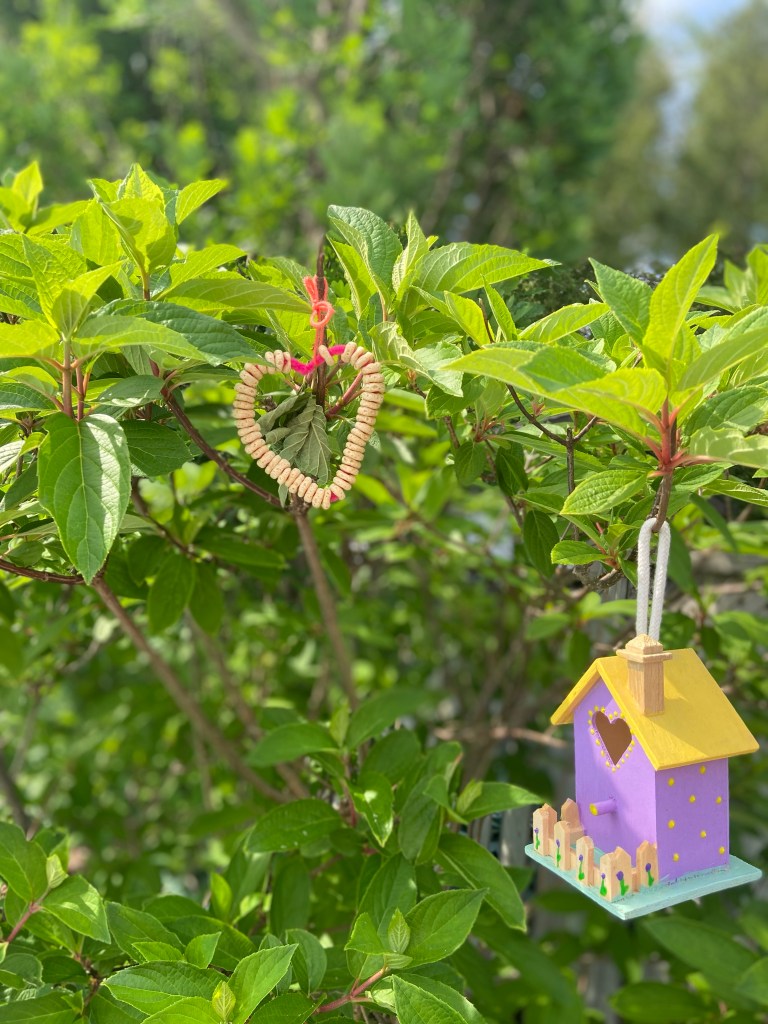
  4. Your Cheerio Bird Feeder is now ready to be hung outside. Children are encouraged to be creative and create any design that they choose.

Skills

  • Fine Motor
  • Concentration
  • Eye-hand coordination
Cheerio Bird Feeder

Play

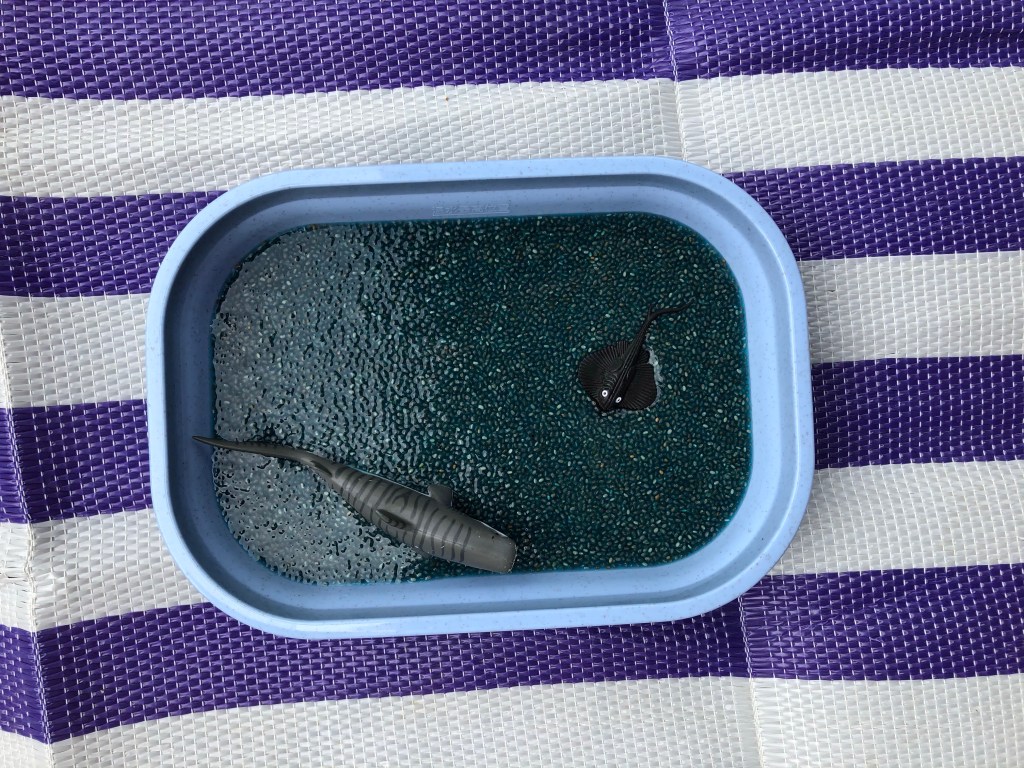
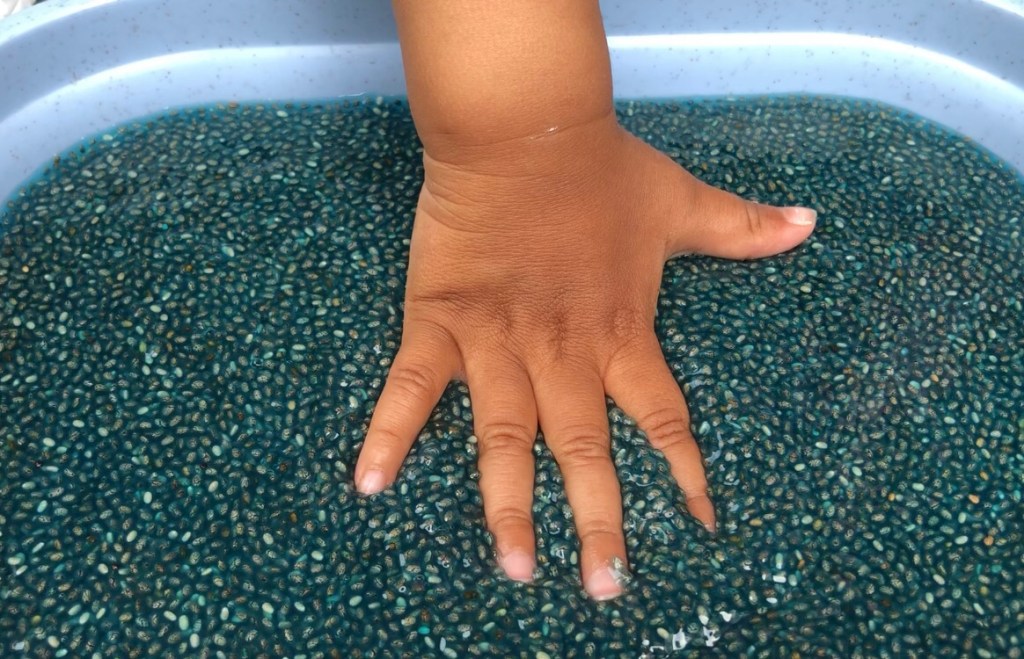
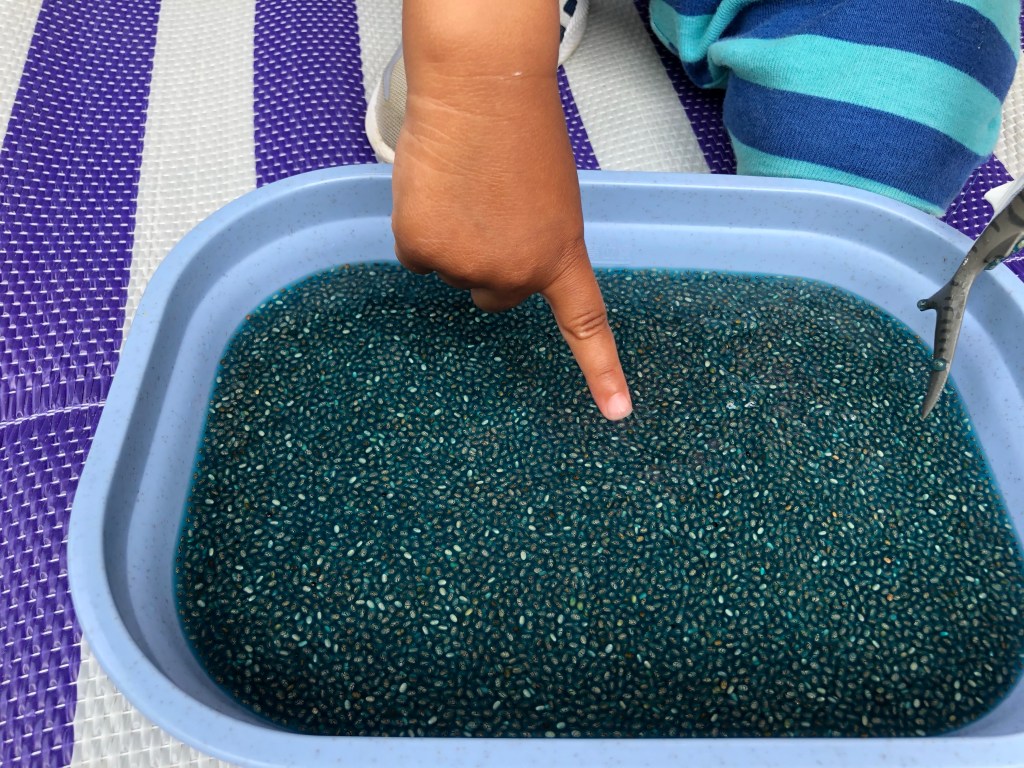
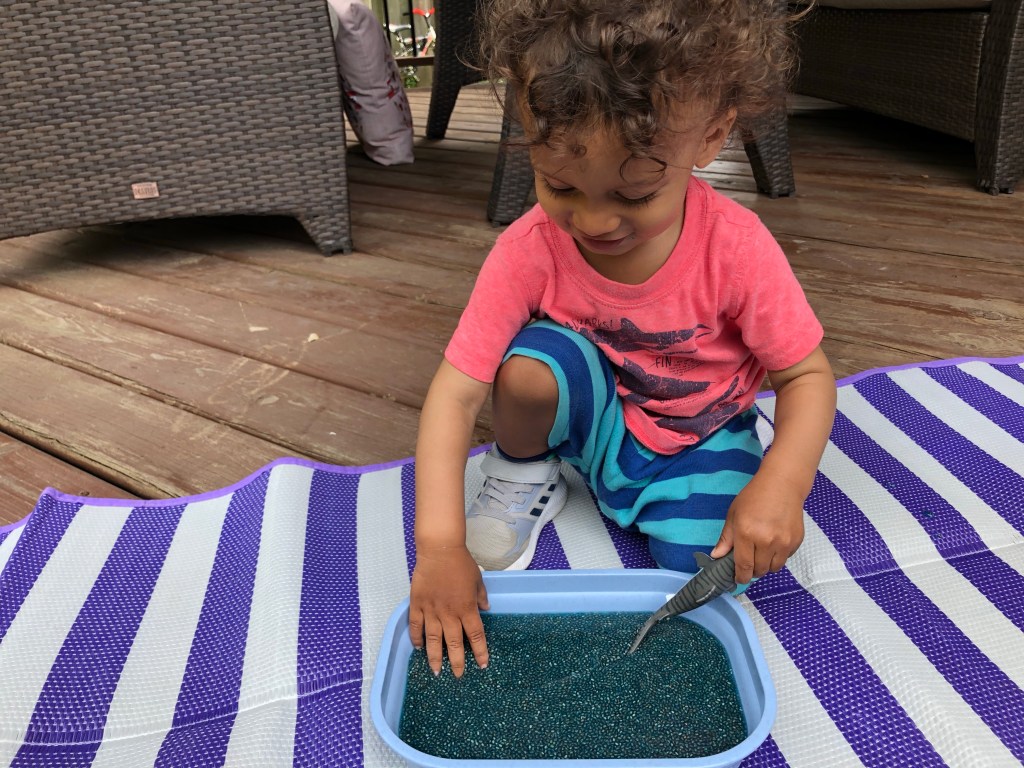
Chia Seed Sensory Bin

A chia seed sensory bin is perfect for children who have a tendency of putting items in their mouth.

Supplies:

  • 1/4 cup chia seeds
  • 1 3/4 cup water
  • Container
  • Optional: food colouring, figurines

* This recipe made the right amount for us to play with. However, recipe can be doubled if making a larger sensory bin.

Instructions:

  1. Add chia seeds and water together in air tight container.
  2. Add a few drops of food colouring (if you choose to do so) and mix together.
  3. Put lid on container and place in fridge overnight.
  4. Place chia seeds in sensory bin and enjoy 🙂

Adaptations or Extension of Play

  • Add small world items (animal figurines, ocean theme, snow theme, etc.).
  • Add cups and containers for dumping, filling and pouring.
  • Hide items such as alphabet letters, numbers, small toys or figurines to be found (larger toys for infants and toddlers).
  • Large tweezers for kids can be used to pick up items hidden in the chia seeds.

Skills

  • Sensory skills
  • Math skills
  • Science skills
  • Cognitive skills
  • Fine motor skills
  • Eye hand coordination
  • Visual perception skills
  • Imaginative play
  • Dramatic play
create

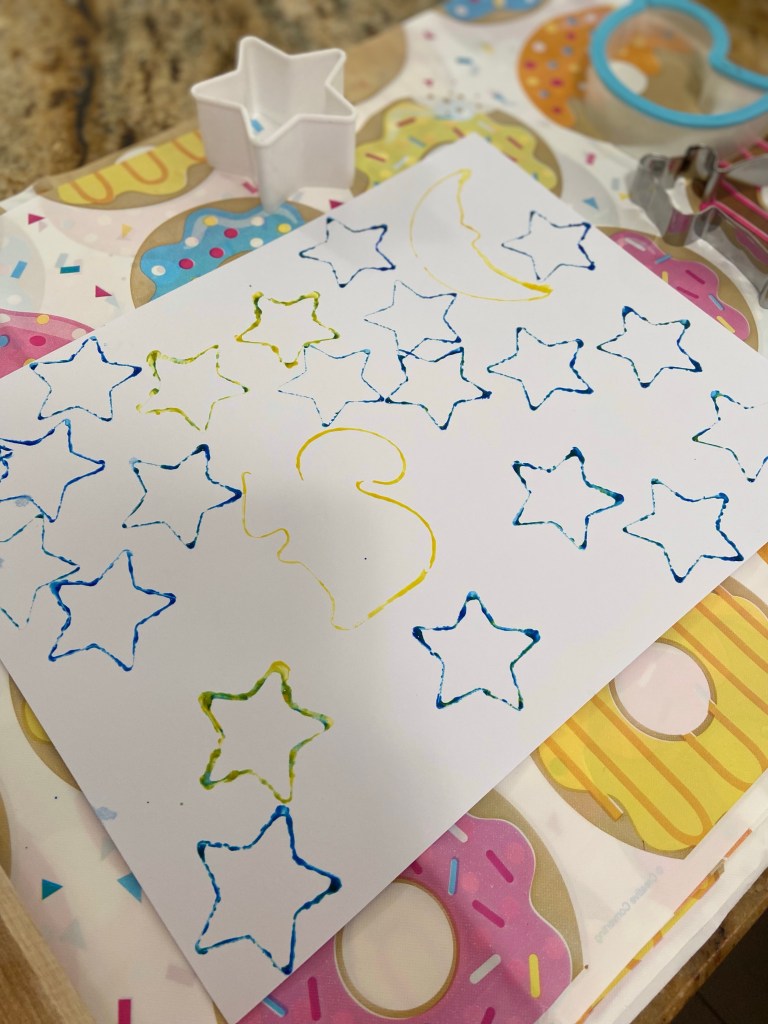
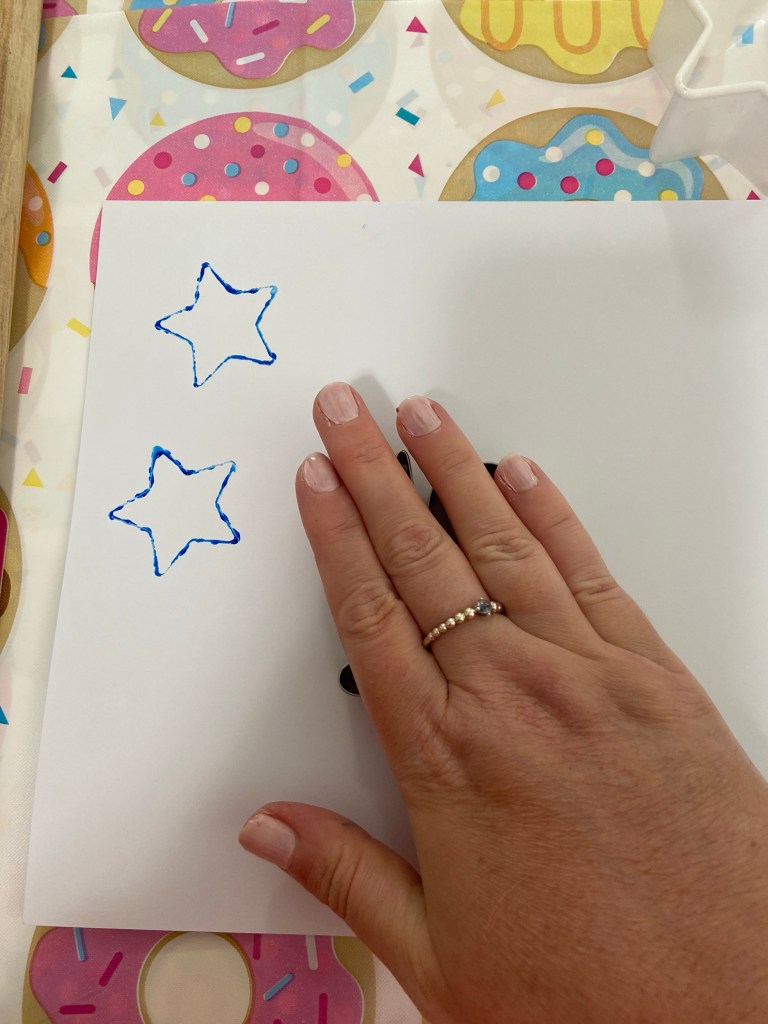
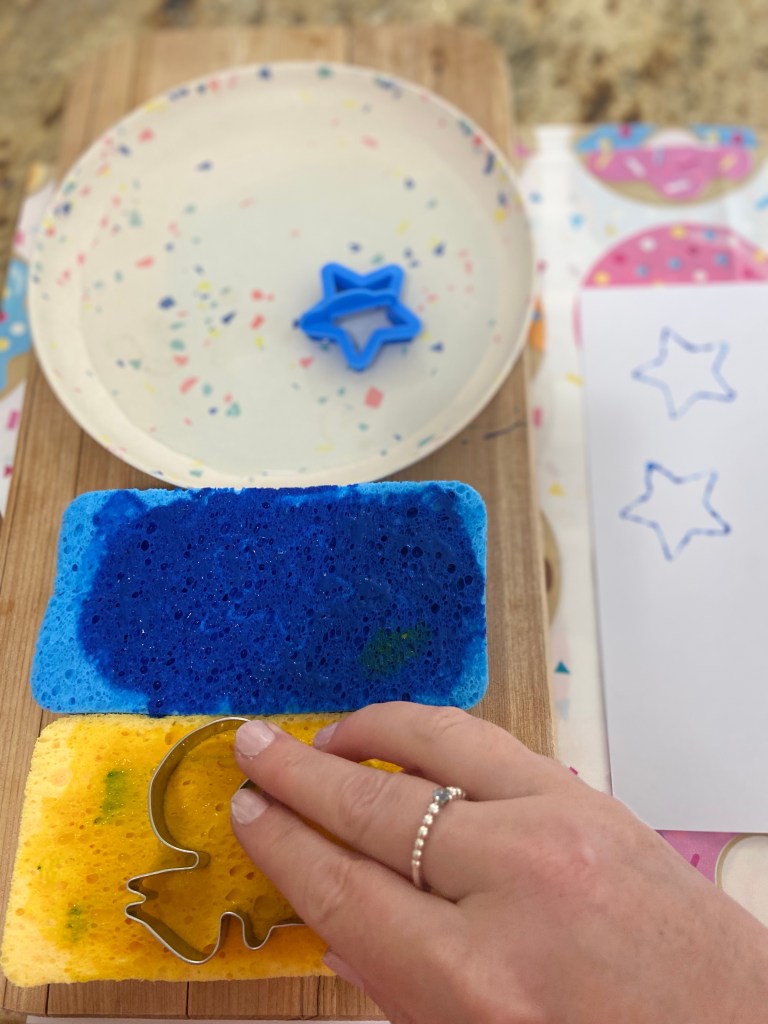
Cookie Cutter Stamping

Supplies

  • Cookie cutters
  • Washable paint colours
  • Paper
  • Shallow bowl of water (for cleaning cookie cutters)
  • Optional: sponges to hold paint or shallow dishes wide enough to dip cookie cutters

Instructions

  1. Pour paint colour into shallow bowls or onto sponge.
  2. Dip the cookie cutter into paint colour. Or, if you’re using sponges to hold paint press the cookie cutter into the sponge.
  3. Press the cookie cutter onto paper and create a painting.

Adaptations/Extensions of Play

  • Allow your painting to dry and then colour your cookie shapes with crayons, or paint sticks.
  • Use the cookie cutters to make a pattern to develop math skills.

Skills

  • Fine motor
  • Creative
  • Colour mixing
  • Math: patterning
Academics, Play

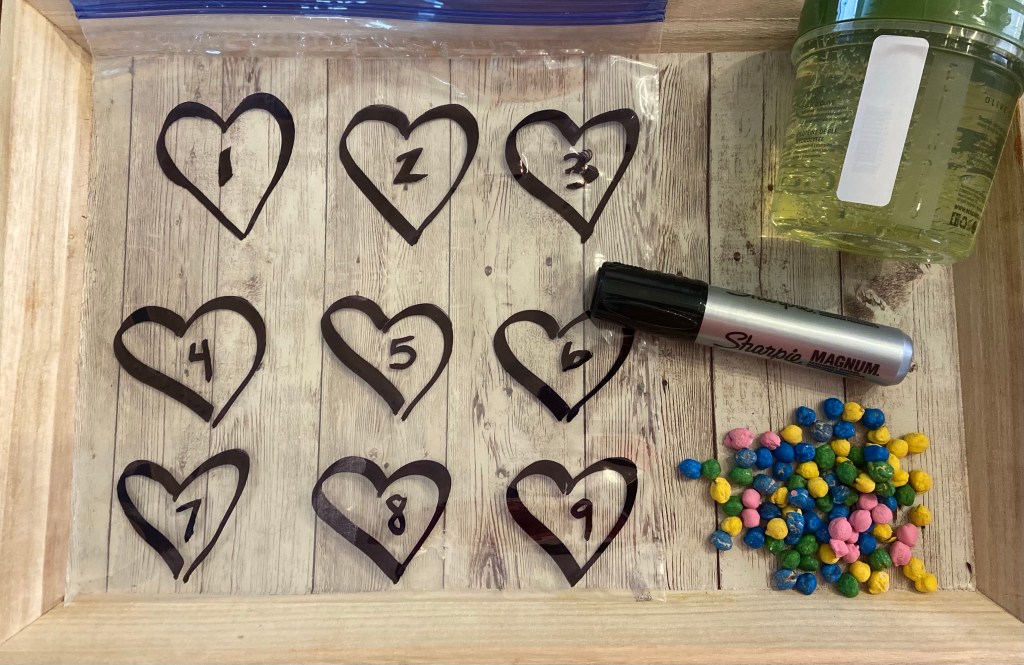
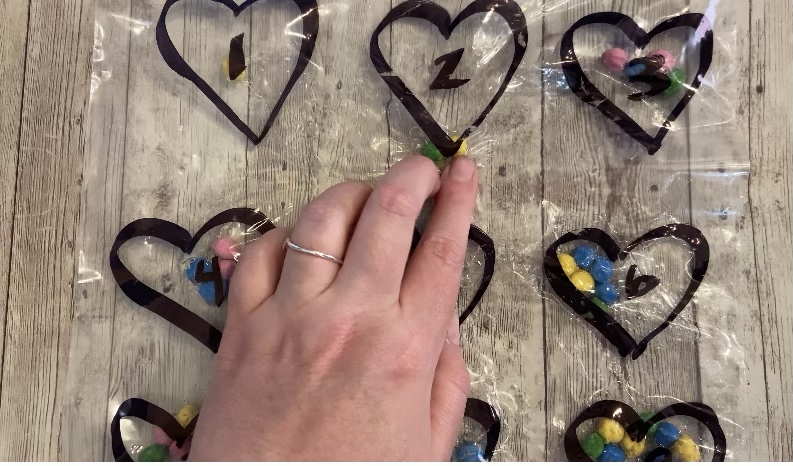
Chick Pea Game

We made a simple math game. It is a great way to further develop math and counting skills!

Supplies

  • Chickpeas, dried beans or pompoms
  • Permanent marker
  • Ziplock bag
  • Hair gel

Instructions

  1. Draw your game on the bag with permanent marker.
  2. Fill the bag with a glob of hair gel and spread it around.
  3. Fill the bag with desired amount of beans or pompoms.
  4. Encourage your child to use their fine motor skills to move the objects around.

Tip:

You can remove the logo off your Ziplock bag with rubbing alcohol – it wipes right off!

Skills

  • Fine motor
  • Cognitive
  • Counting
  • Concentration
  • Focus
Play

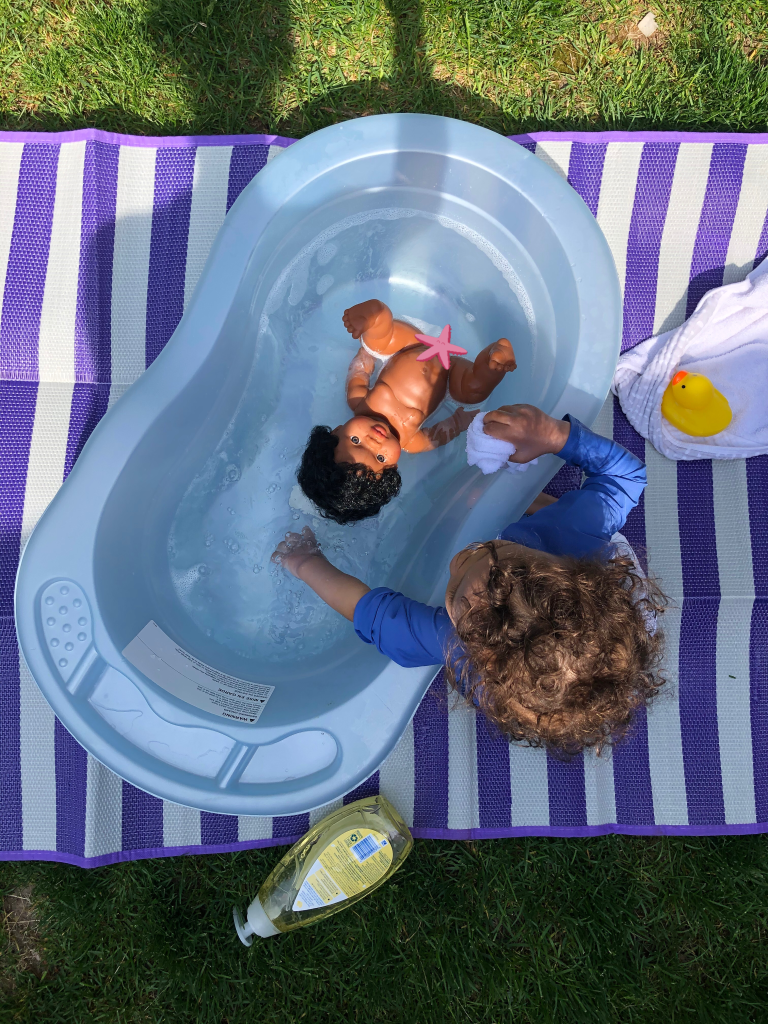
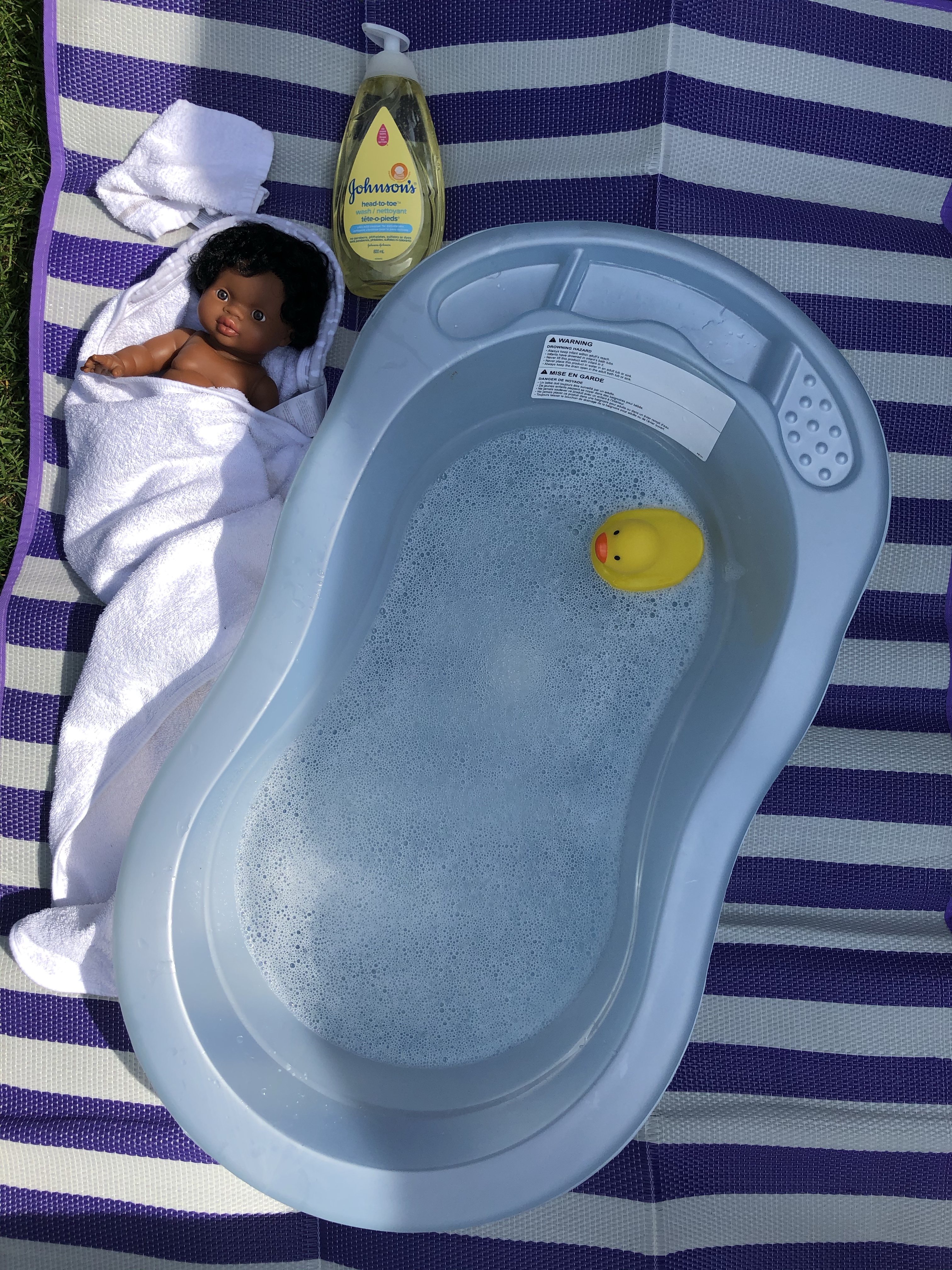
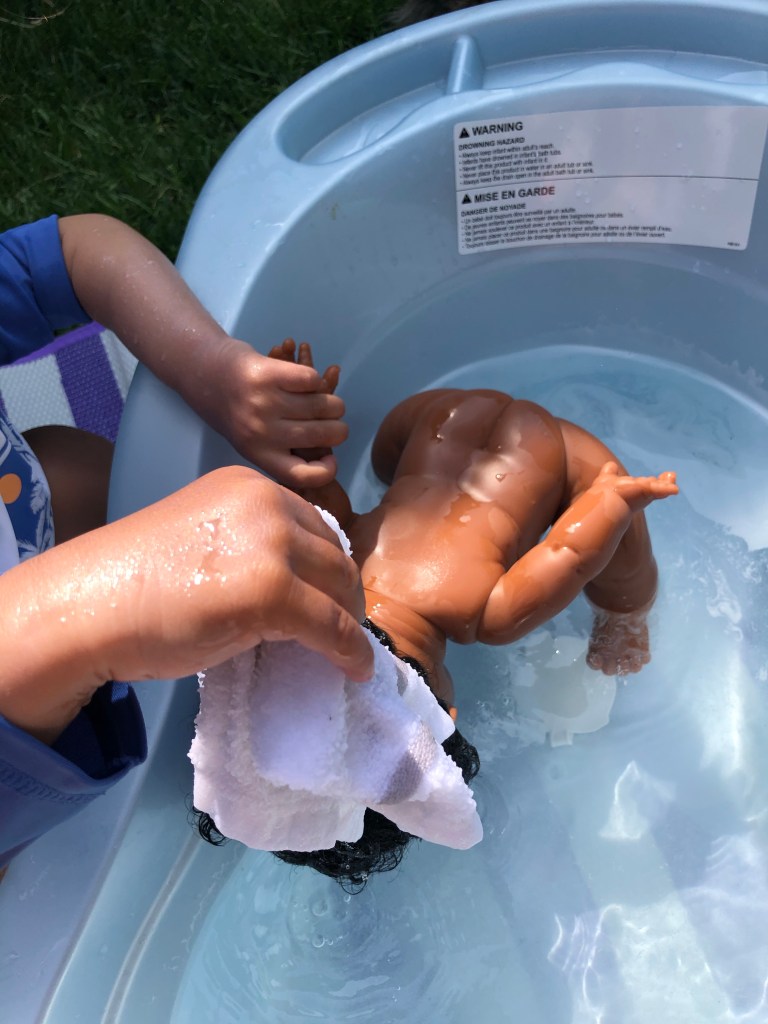
Baby Doll Bath

Opportunity to mimic adults, as they wash and care for their baby.

Supplies

  • Baby doll
  • Baby bathtub (or plastic bin)
  • Water
  • Optional: facecloth, soap, towel, etc

Instructions

  1. Fill the baby bathtub with water and have all the optional supplies available for your child to bathe baby.
  2. Children will enjoy giving the baby a bath. They can soap the baby up, wash the baby and dry the baby after bath time.

Note:

As always, we recommend that ALL of our activities be supervised by an adult.

Skills

  • Socioemotional development
  • Empathy and compassion
  • Language
  • Fine motor
  • Imaginative play
Play

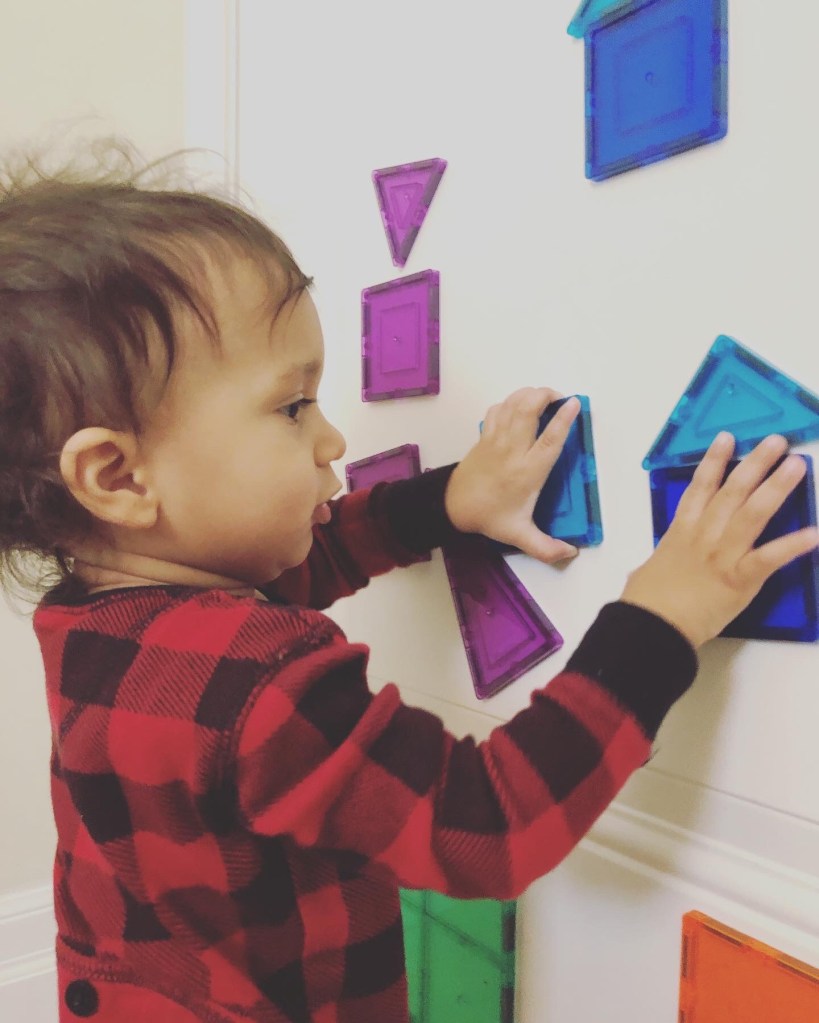
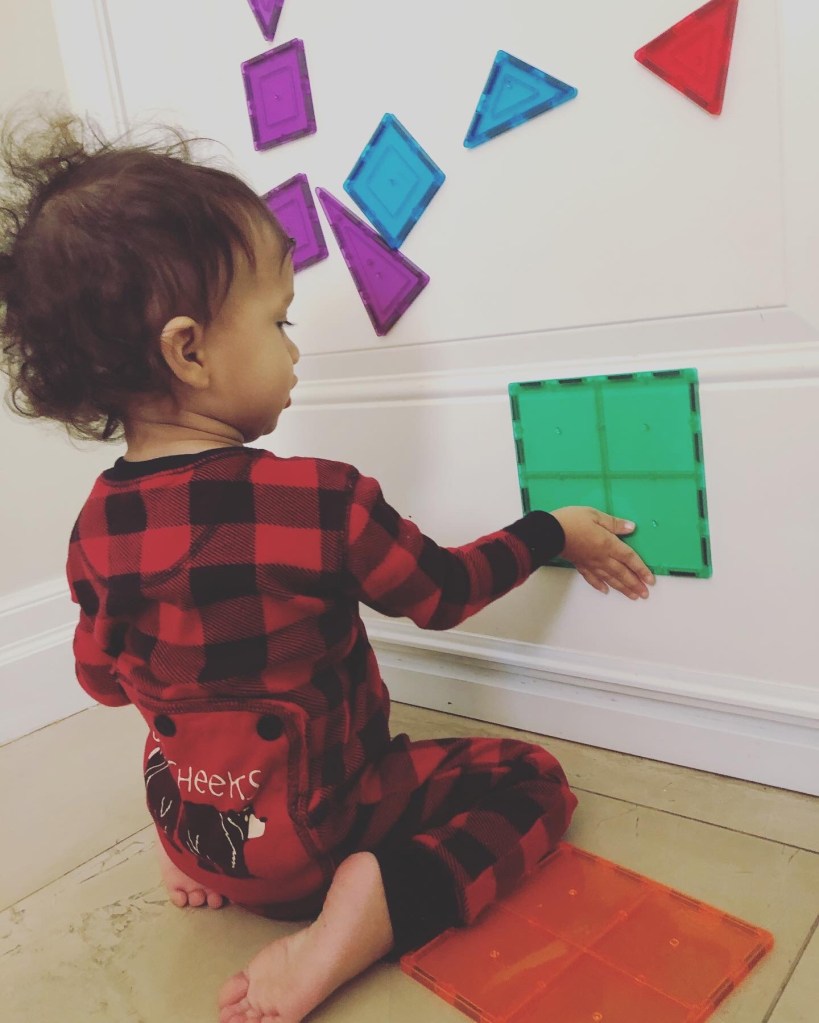
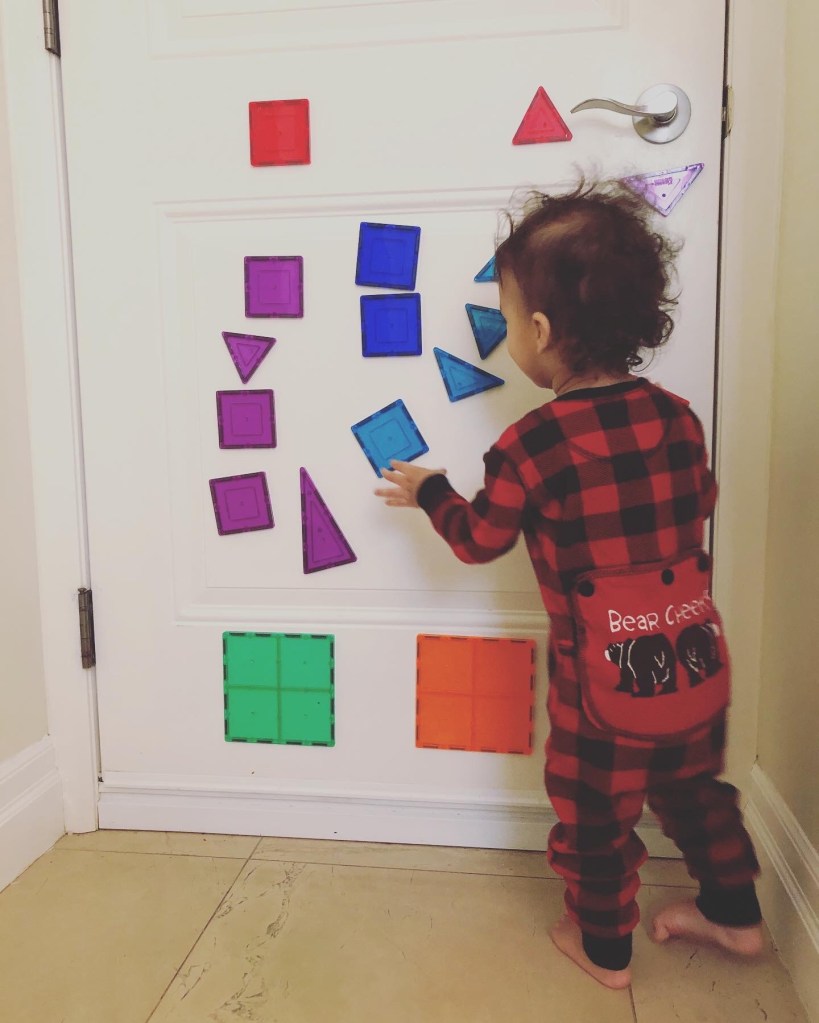
Magnetic Tiles Door Play

Children will enjoy this unique way to play with magnetic tiles.

Supplies

  • Magnetic tiles (we used Picasso Tiles)
  • Metal door (or other surface, such as a garage door)

Instructions

  1. Allow children to stick the magnetic tiles to the door. Older children may create a picture. Smaller children will enjoy placing and removing the magnetic tiles.

Skills

  • Math: shapes, patterns, sorting
  • Science: exploring magnetism
  • Creativity
  • Colour recognition and sorting
  • Maintaining attention for increasing periods of time
  • Focus on task

Adaptations/Extensions

  • Children can further develop important math skills such as shapes, sorting and patterns. They can sort the tiles by shapes or colour. Children can also explore patterns by making patterns with different shapes and colours.
  • Try sticking your magnetic tiles to other items in your home.
We sorted these magnetic tiles by colours.
create

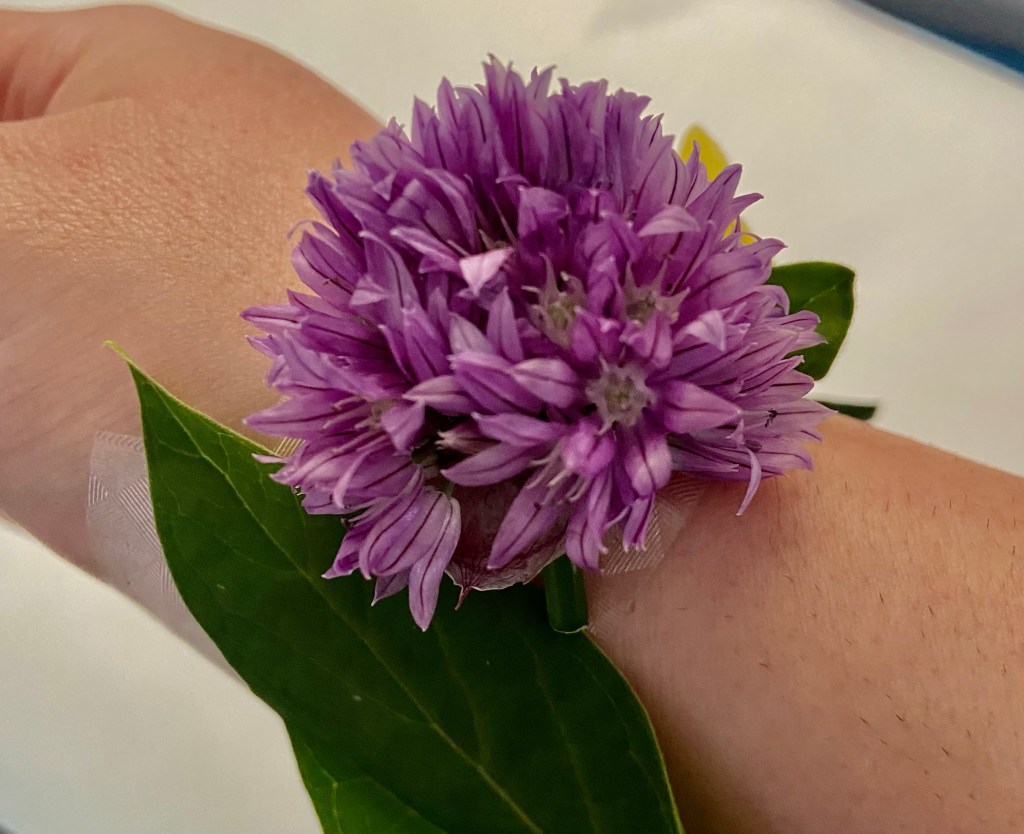
Nature Bracelets

These gorgeous flower bracelets are the perfect activity to get children outside exploring all that nature has to offer.

Supplies

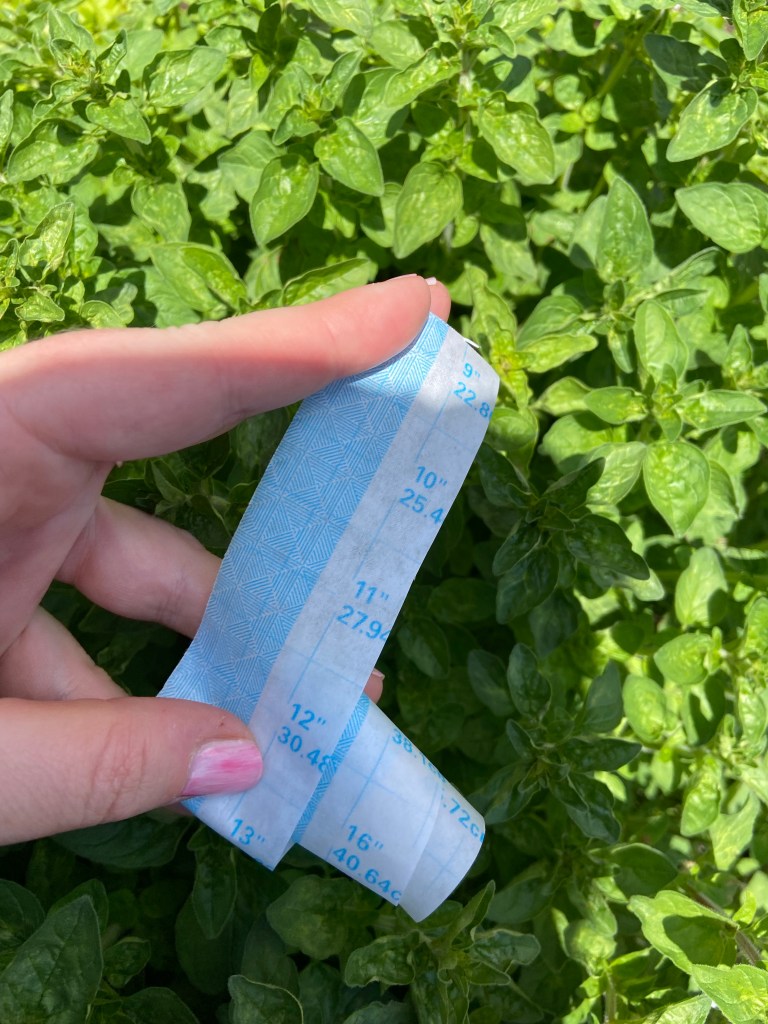
  • Contact paper
  • Nature: flowers, leaves, etc.

Instructions

  1. Cut the contact paper into strips that will fit around a child’s wrist.
  2. Go for a nature walk or in your backyard. Collect natures treasures and stick the treasures to your bracelet.
  3. Be sure to smell your bracelet, especially if you have collected flowers or herbs.
  4. Educators: when you return from your walk, you can cut the bracelets off and tape them to a sheet of paper for your students to bring home. Show and share with your classmates prior to students taking it home.
Contact paper that has been cut into strips.

Skills

  • Science & nature
  • Fine motor
  • Observation
  • Creative
  • Botany
  • Socials skills: share/describe the items you found
Play

What’s Missing?

This is a great activity for building executive functioning skills.

Supplies

  • Various items
  • Board or mat

Instructions

  1. Place all items on a board or mat.
  2. Ask your child to study the items creating a mental picture.
  3. Have your child close their eyes while you remove an object.
  4. Have your child open their eyes and guess what item is missing.

Adaptations/Extensions

  • Take turns being the one to remove an object
  • Make it more or less challenging by increasing/decreasing the number of items

Skills

  • Executive function
  • Visualization
  • Attention
  • Working memory