Academics, Play

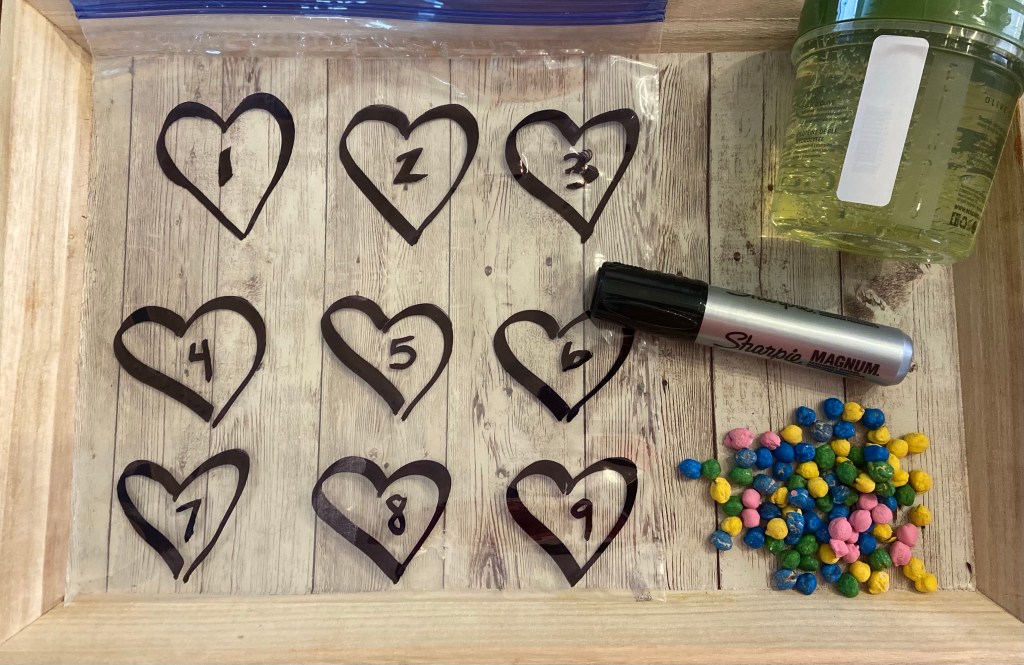
Chick Pea Game

We made a simple math game. It is a great way to further develop math and counting skills!

Supplies

  • Chickpeas, dried beans or pompoms
  • Permanent marker
  • Ziplock bag
  • Hair gel

Instructions

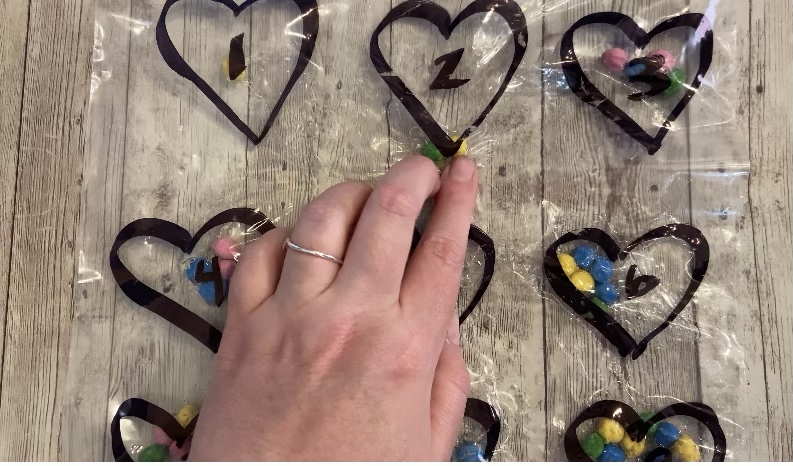
  1. Draw your game on the bag with permanent marker.
  2. Fill the bag with a glob of hair gel and spread it around.
  3. Fill the bag with desired amount of beans or pompoms.
  4. Encourage your child to use their fine motor skills to move the objects around.

Tip:

You can remove the logo off your Ziplock bag with rubbing alcohol – it wipes right off!

Skills

  • Fine motor
  • Cognitive
  • Counting
  • Concentration
  • Focus
Academics

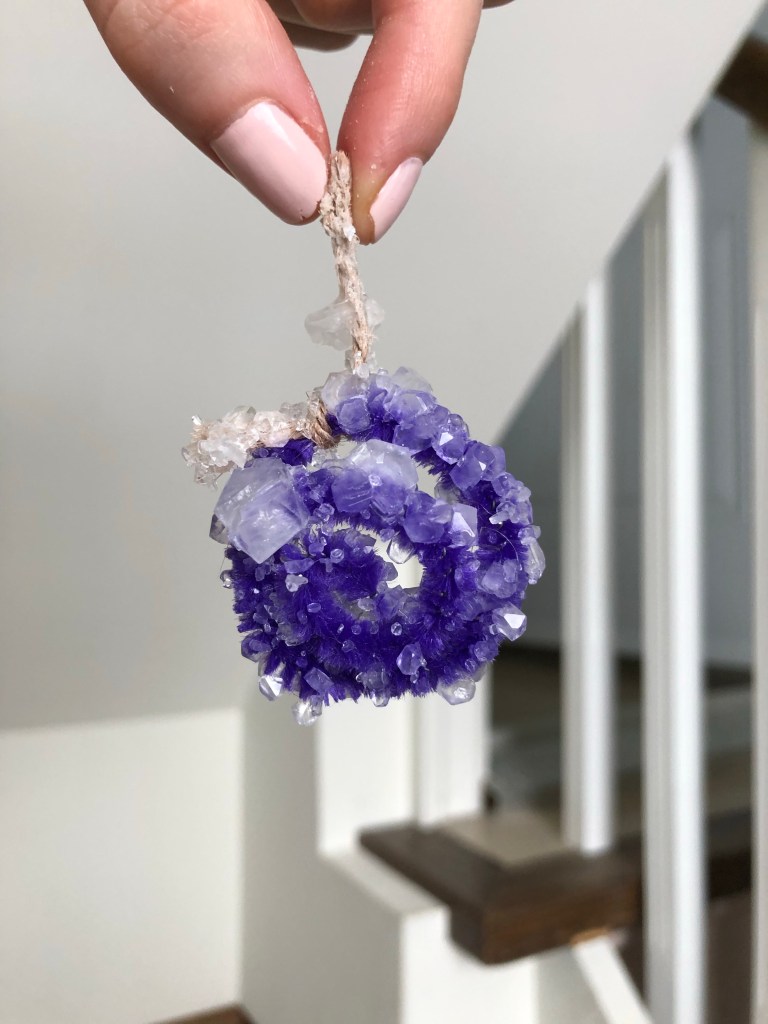
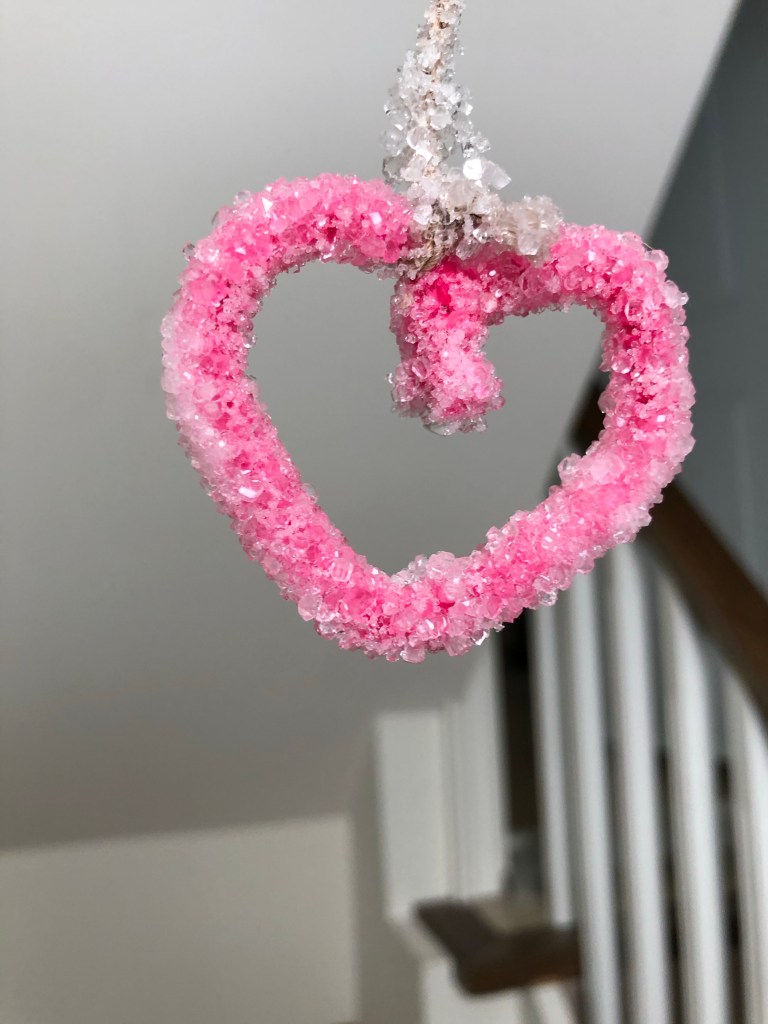
Borax Crystal Heart

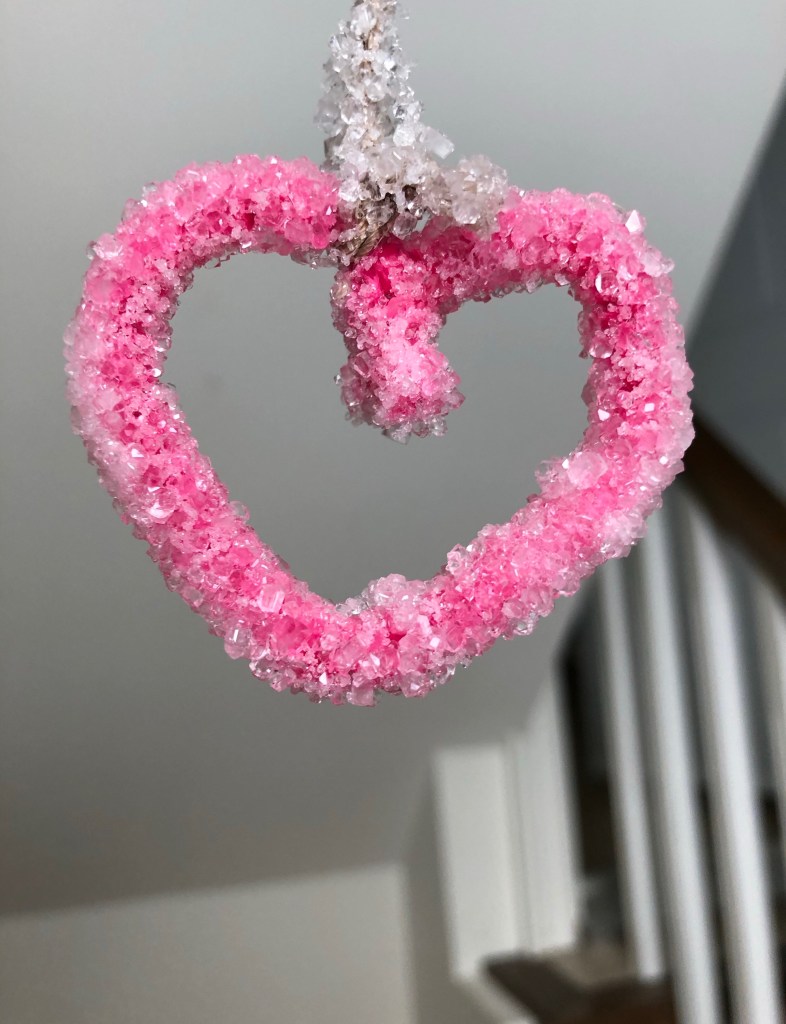
Borax Crystal heart

Supplies

  • 1/2 cup Borax powder
  • 4 cups water
  • Pipe cleaner
  • String (or twine, yarn)
  • Jar (must be heat safe)
  • Pencil
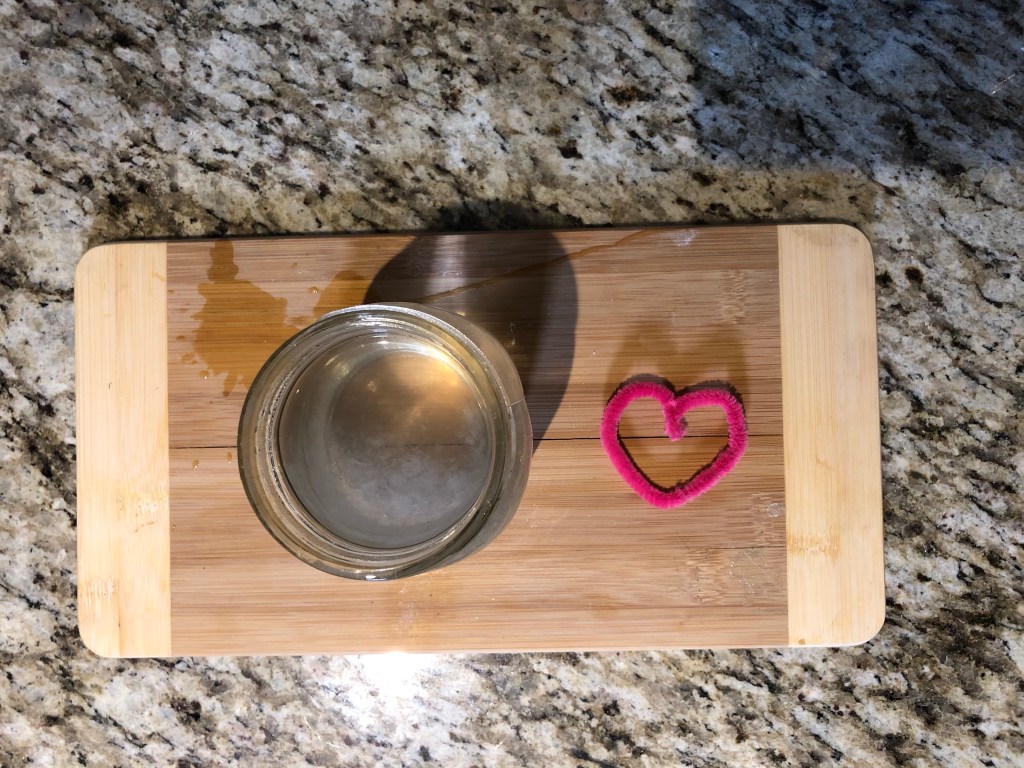
Form a heart with a pipe clean

Skills

  1. Shape pipe cleaner into a heart.
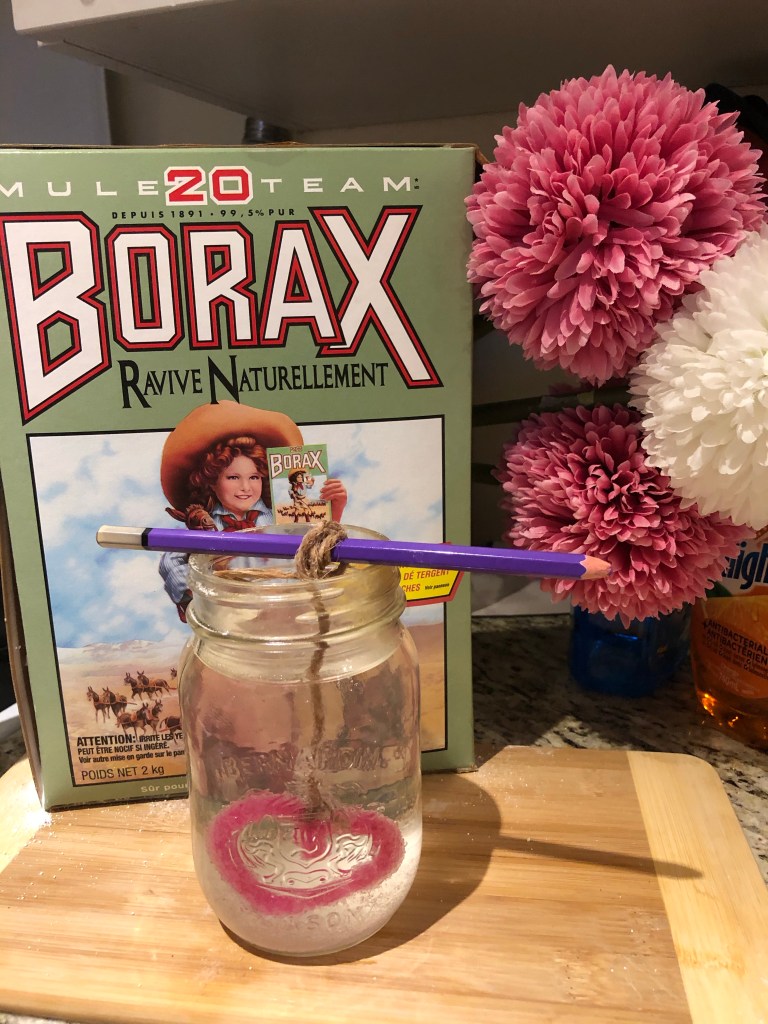
  2. Loop one end of string around pipe cleaner and secure with knot. Wrap the other end of string around pencil and secure with a knot. Set aside.
  3. Bring water to a boil on stovetop.
  4. Add borax to water. Stir until Borax is completely dissolved.
  5. Transfer mixture into jar. Be careful it’s hot!!
  6. Place pencil across the jar and ensure that pipe cleaner is submerged in the liquid.
  7. Observe your experiment over the next 24 hours and watch your crystals grow.
  8. Crystal heart can be made into an ornament and displayed.
Pipe cleaner heart submerged in Borax mixture.

Adaptations

  • We experimented with different designs and shapes to observe how they would turn out.
We experimented with different shapes!

Skills

  • Science
  • Math – measurement
Borax Crystal heart
Academics

What’s In Melted Snow?

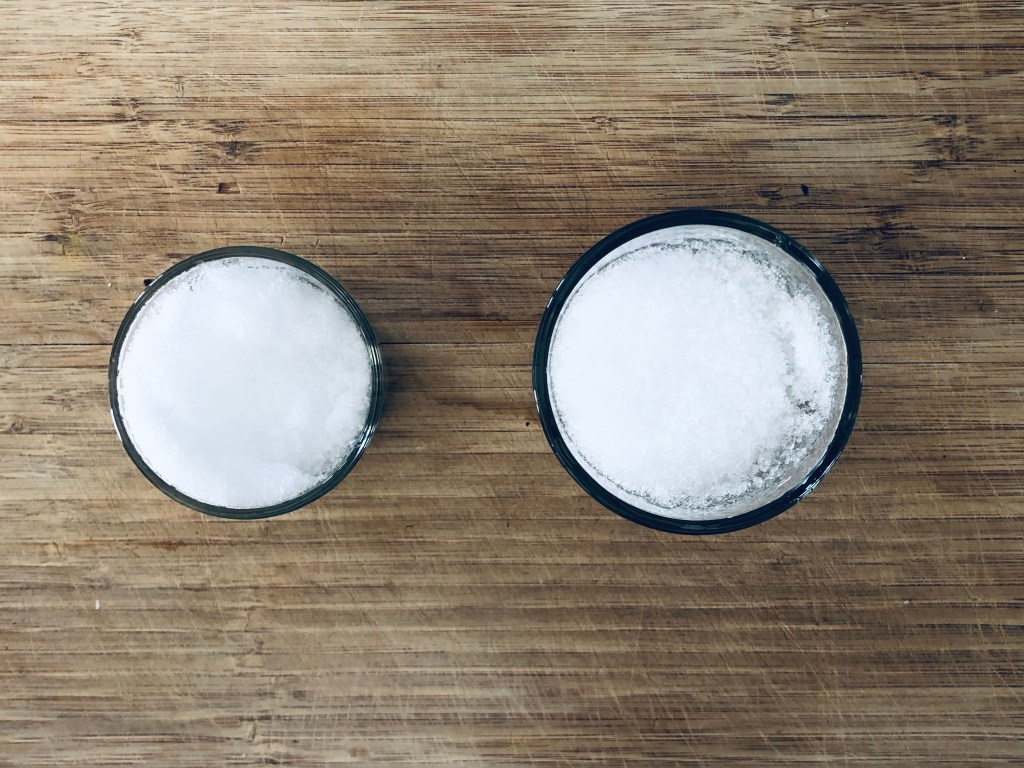
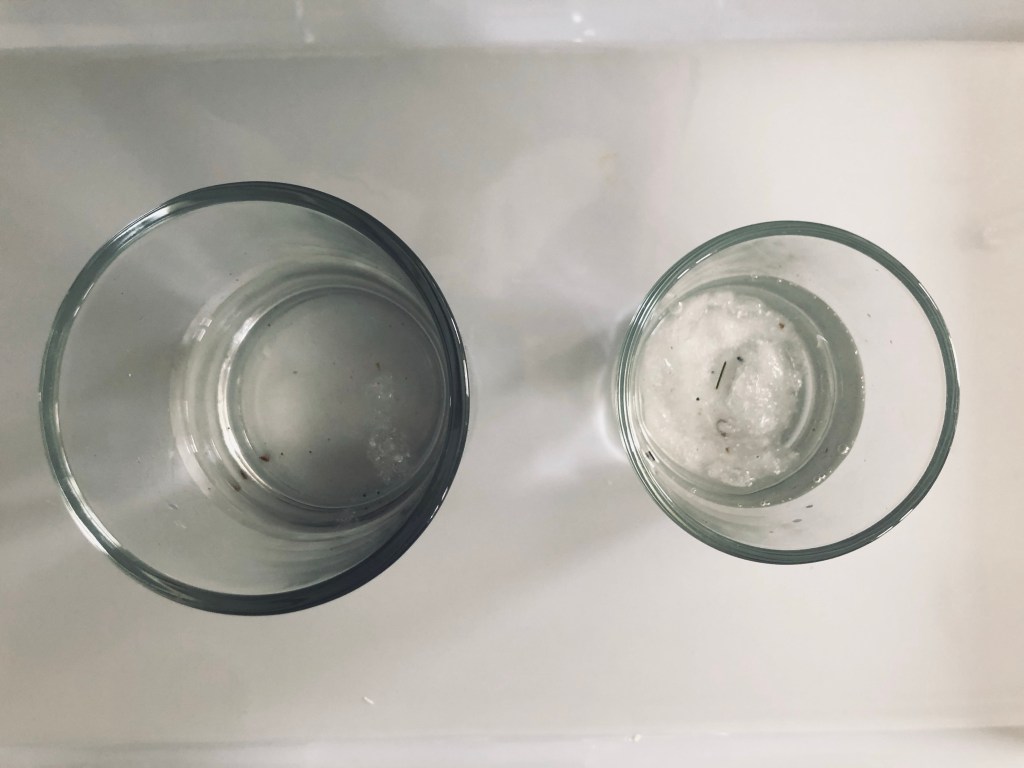
Two glasses of fresh snow!

Supplies

  • Snow
  • A clear bowl or container
  • Optional: white wash cloth, magnifying glass
The snow looks so clean in the jar.

Instructions

  1. Take your child outside and have them fill up a bowl with snow.
  2. Bring the bowl inside and let the snow melt.
  3. Your child can make predictions about what they think will happen to the snow when it is brought into a warmer temperature.
  4. Allow time for your child to notice the debris in the water and discuss the results. Does your child realize that the debris comes from the snow?
  5. This is a great activity to do with your child (or class), especially if you have a child who likes to eat snow!

Note: If you are having difficulty seeing the debris, you can pour the water through a white washcloth. It will catch the debris and make it easier to view.

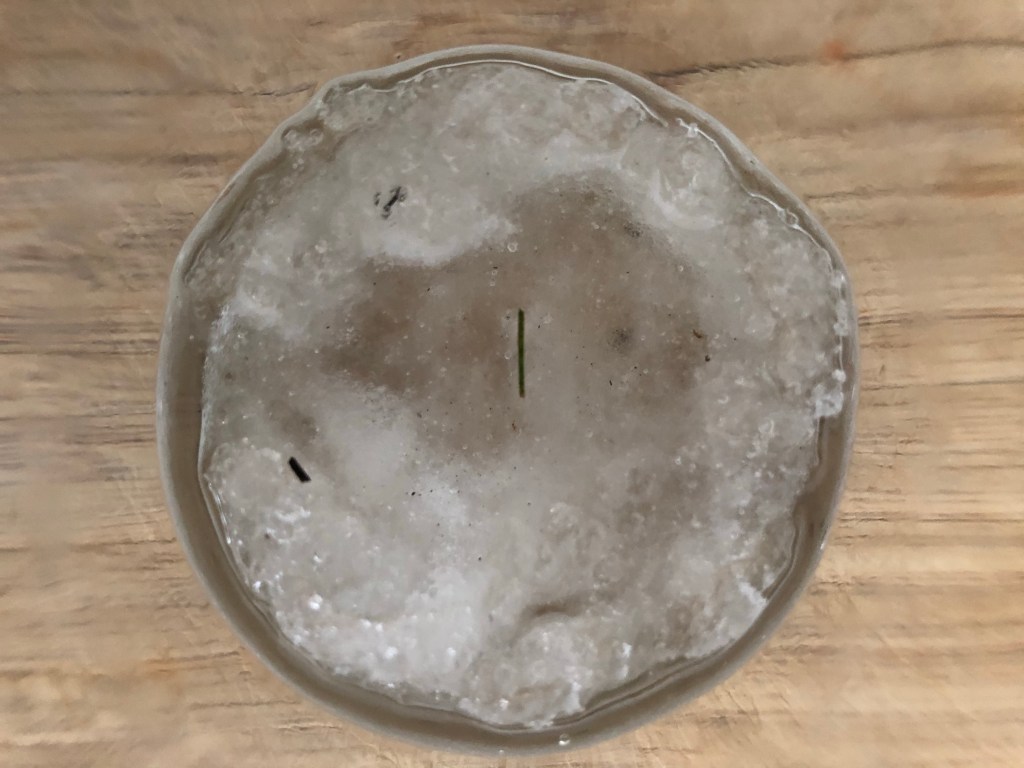
The snow has melted. Wait, what is floating around in the water?

Adaptations/Extension of Play:

  • Allow your child to make predictions on what will happen to the snow when it is brought into a warmer temperature.
  • Collect snow from different areas outside. Do the results change? Is the debris different?
  • You can also take pictures and put them up on the wall for further observation. Or, create a book that looks at the hidden dirt in snow. This allows for further study at home or in class.
There is a lot of debris that was not visable prior to the snow melting!

Skills

  • Science
Each glass is filled with snow from a different area outside. One glass has more debris than the other.
Academics

Ice Fishing

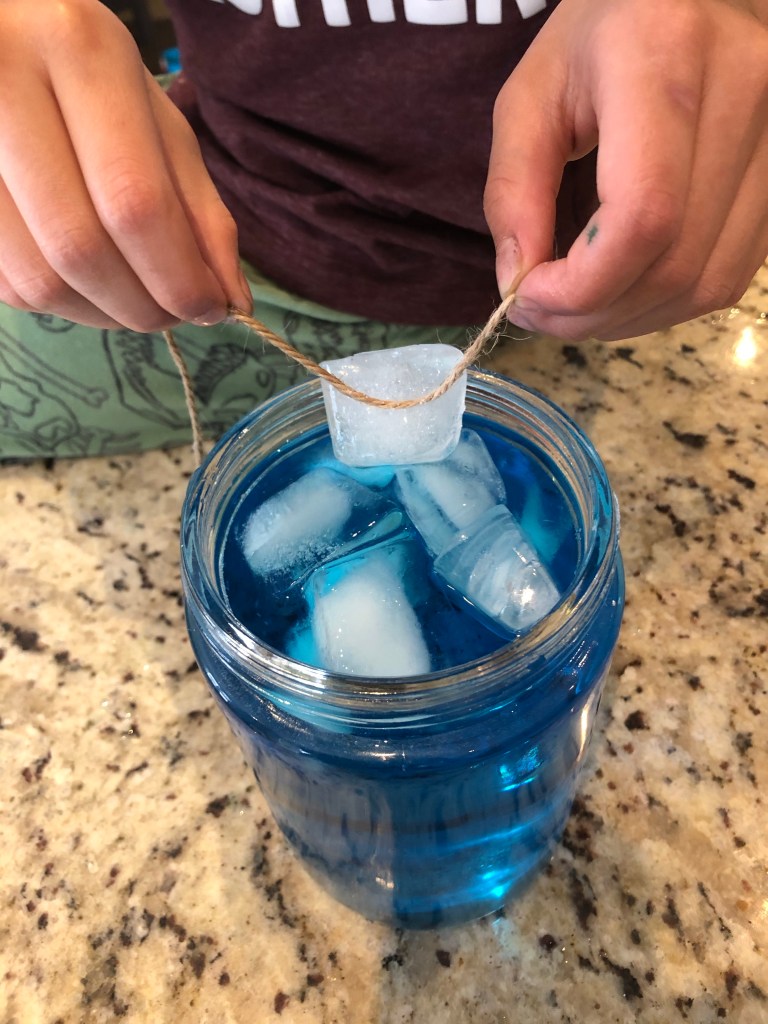
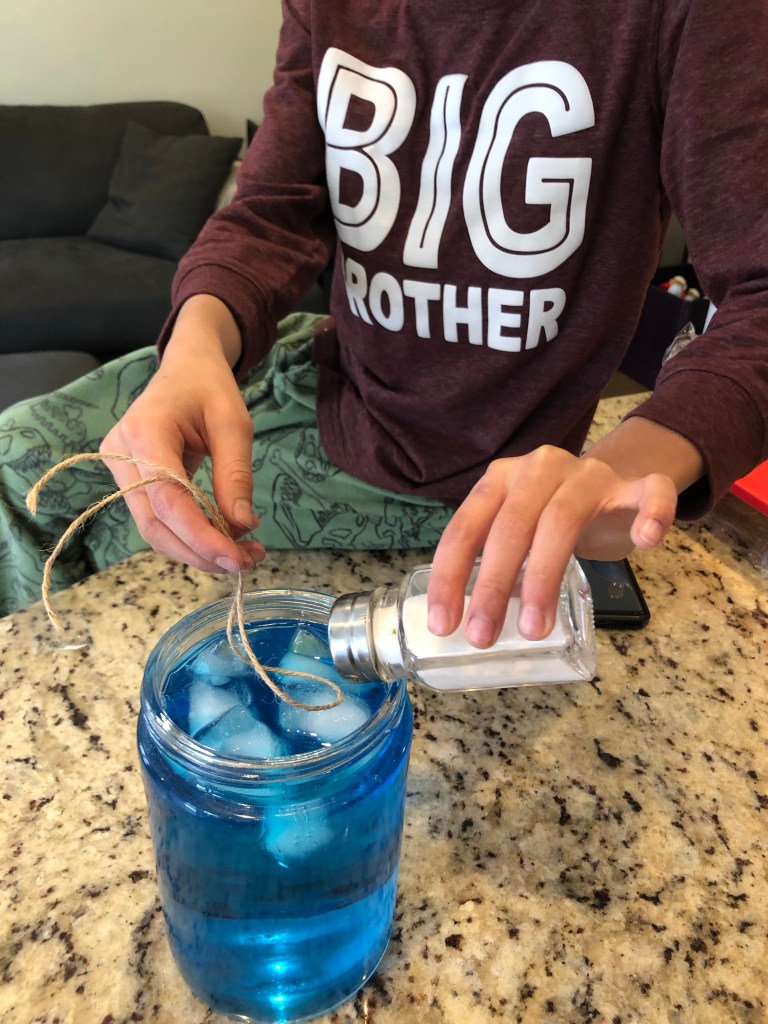
Ice fishing! We caught an ice cube.

Supplies

  • Ice cubes (5 – 10)
  • Cold water
  • Salt
  • String
  • Large jar (cup, container etc)
  • Optional: food colouring
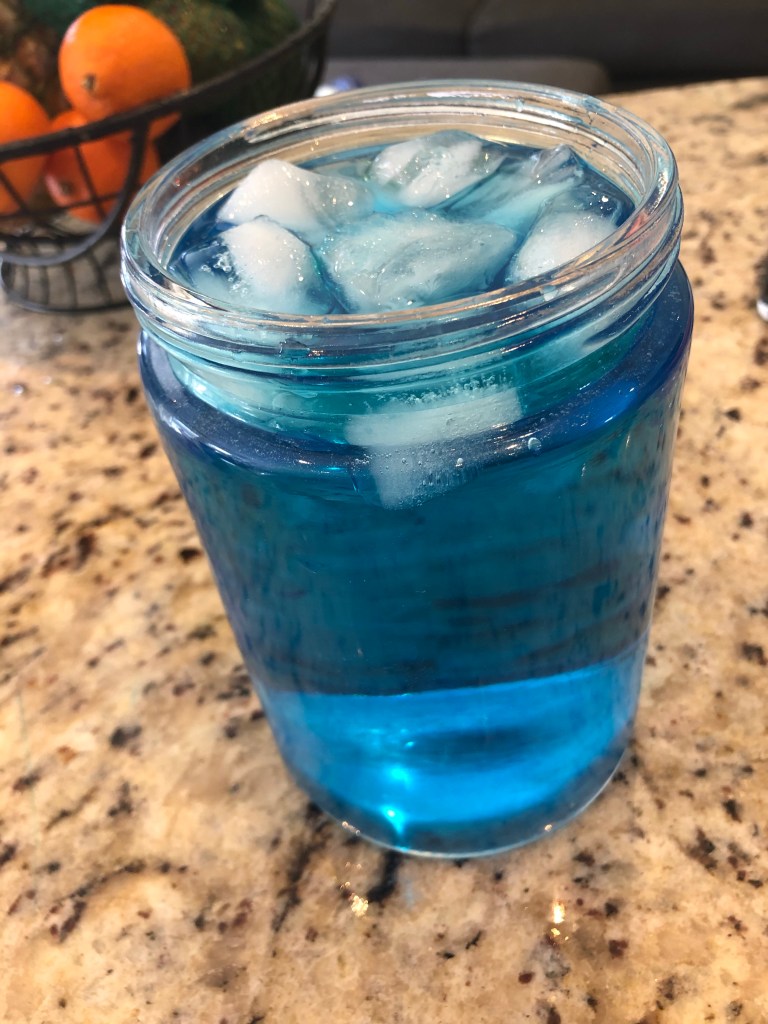
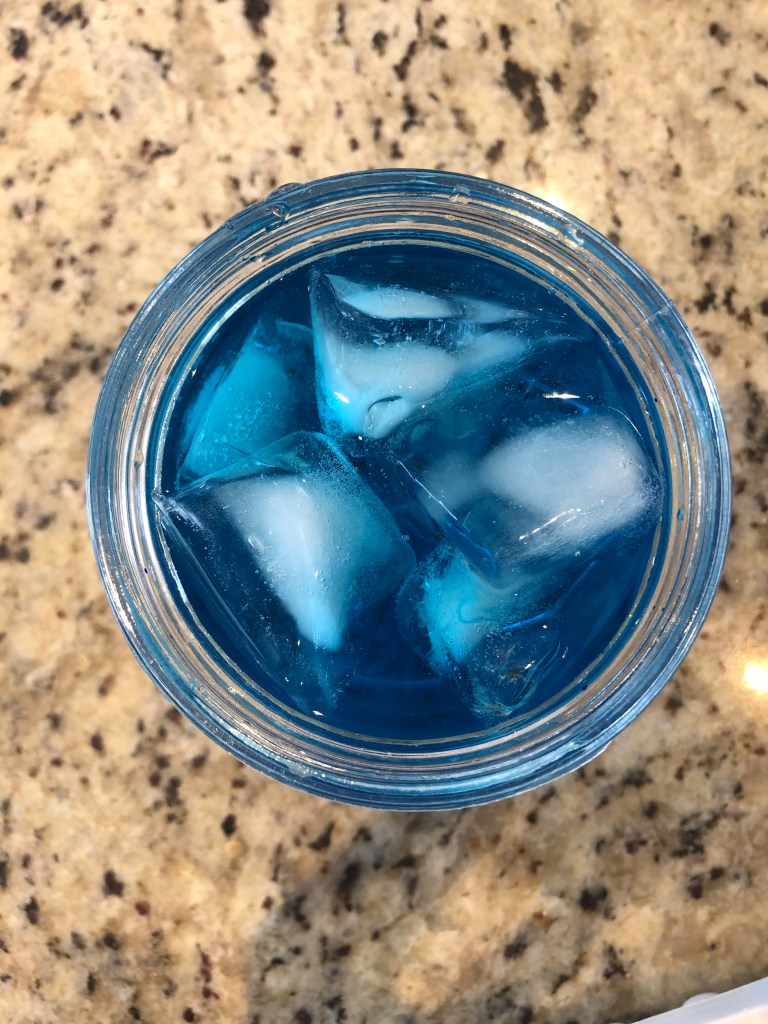
Fill a jar with cold water and a lot of ice.

Instructions

  1. Fill a jar with cold water. Add a few drops of food colouring (if you chose to).
  2. Add ice cubes to the water.
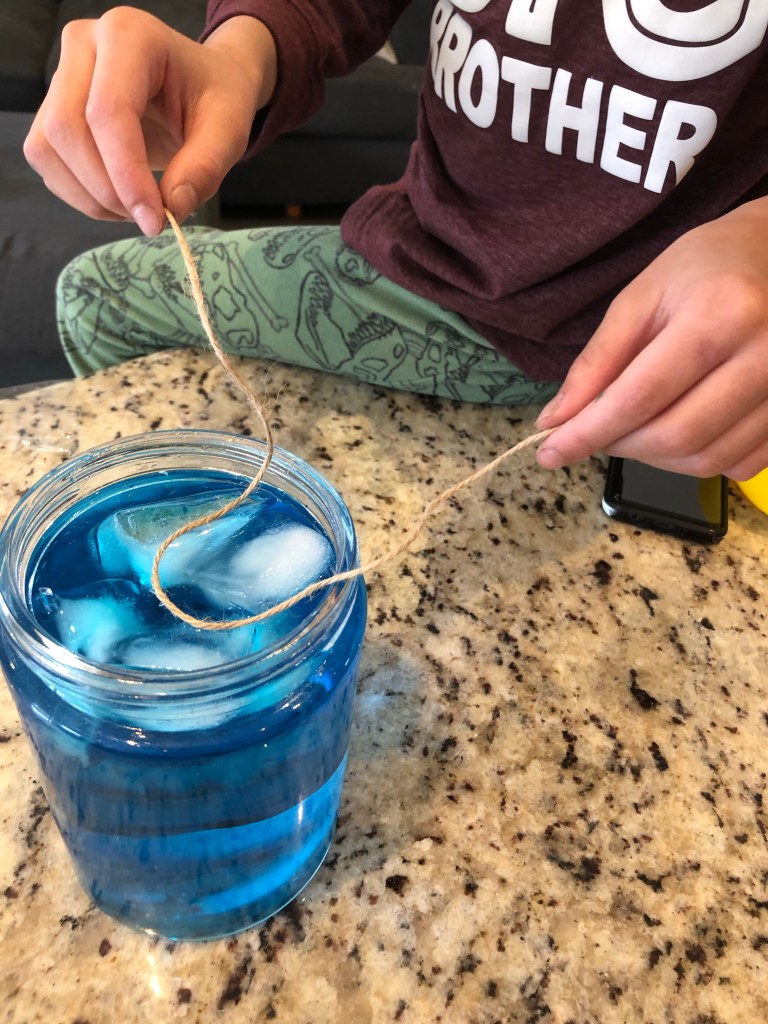
  3. Place string onto the ice cube. Try to pick it up with the string. Hint: this will not work.
  4. Place string onto the ice cube and sprinkle with salt. Wait a few seconds and try again! Ta da! You have caught yourself an ice cube!
Notes:
  • If you add too much salt or wait too long before trying to pick up the ice cube this may not work.
  • The water should be very cold – a lot of ice cubes help to keep water cold.
  • We found smaller ice cubes worked better for us.
The string will not be able to catch the ice without the salt.

Note: Salt lowers the freezing point and melting point of ice. In this experiment, the ice cube with salt on it is surrounded by freezing temperatures. The freezing temperatures cause the ice cube with salt on it to quickly freeze again – freezing to the string this time.

We are adding a pinch of salt.

Skills

  • Math – measurement
  • Science
  • Cause and effect
Academics

Snow Volcano

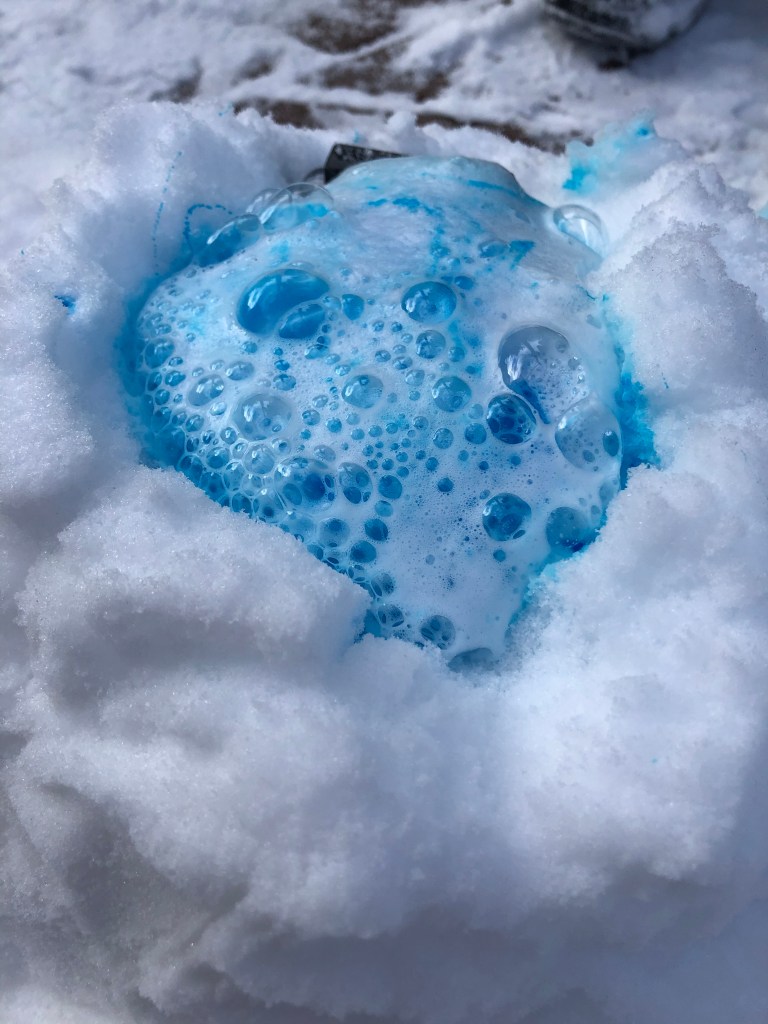
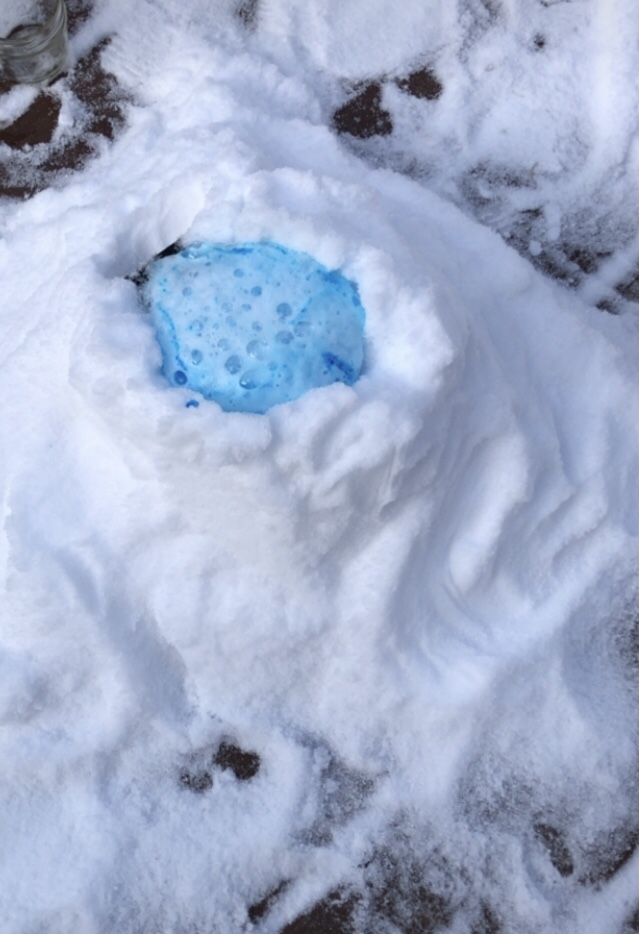
Snow volcano erupting!

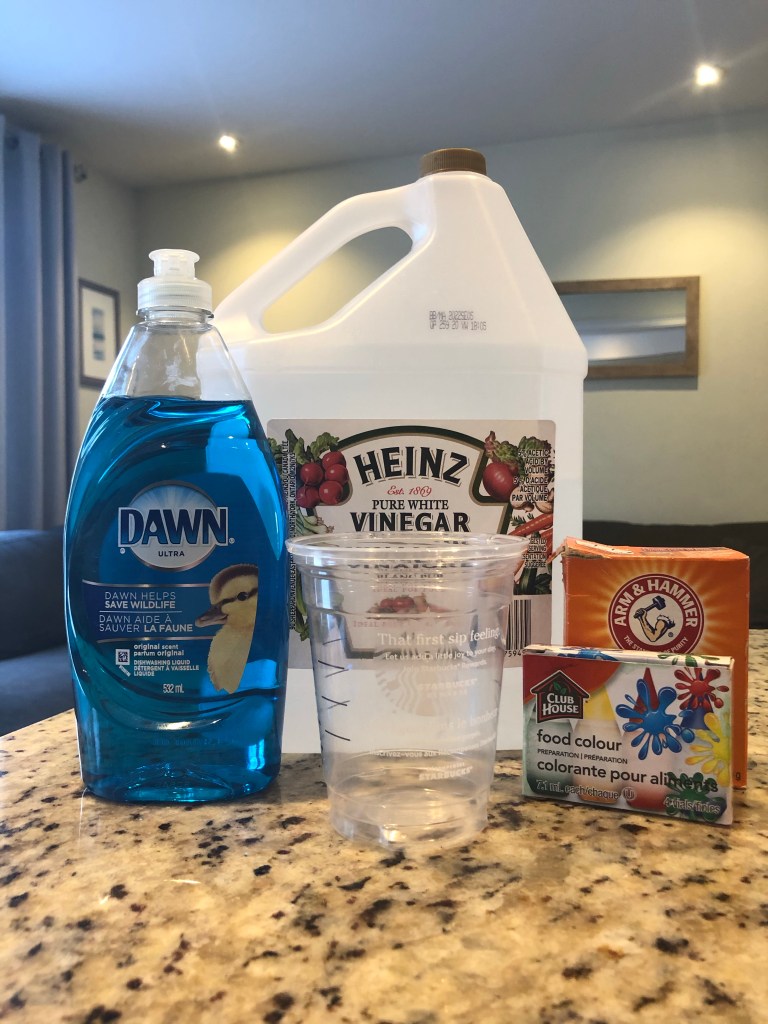
Supplies:

  • 2 tbs baking soda
  • 1 tbs dish soap
  • 1/4 cup vinegar
  • Food colouring
  • Snow
  • Small container
A snow volcano is made with ingredients that many of us already have at home.

Instructions

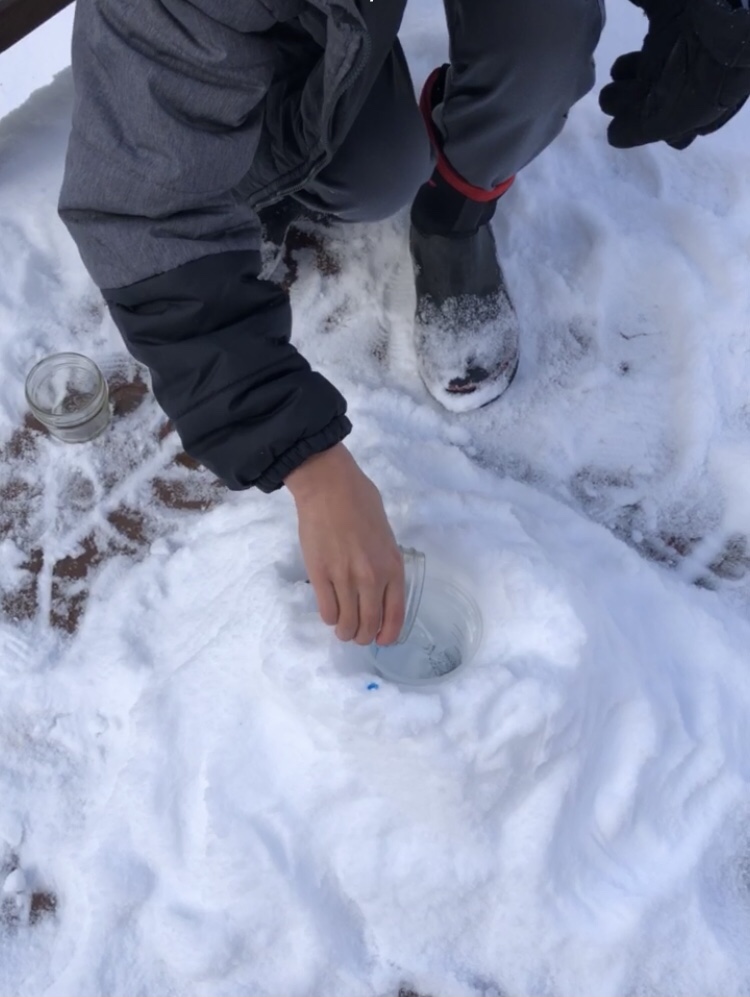
  1. Place the container on the ground outside in the snow.
  2. Build up the snow surrounding the cup to create a mountain. Snow should be tightly packed.
  3. Add all of the ingredients into the cup, except the vinegar.
  4. Add the vinegar into the cup when you are ready for the eruption.
  5. Enjoy watching your volcano erupt.
All of the ingredients have been placed in the volcano except for the vinegar.
We are adding the vinegar to watch the volcano erupt.

Skills

  • Science
  • Math – measurement
  • Cause and effect
Watching the volcano erupt.
Academics, Play

Snow Writing

Supplies

  • Small twig (writing tool)
  • Fresh snow

Instructions

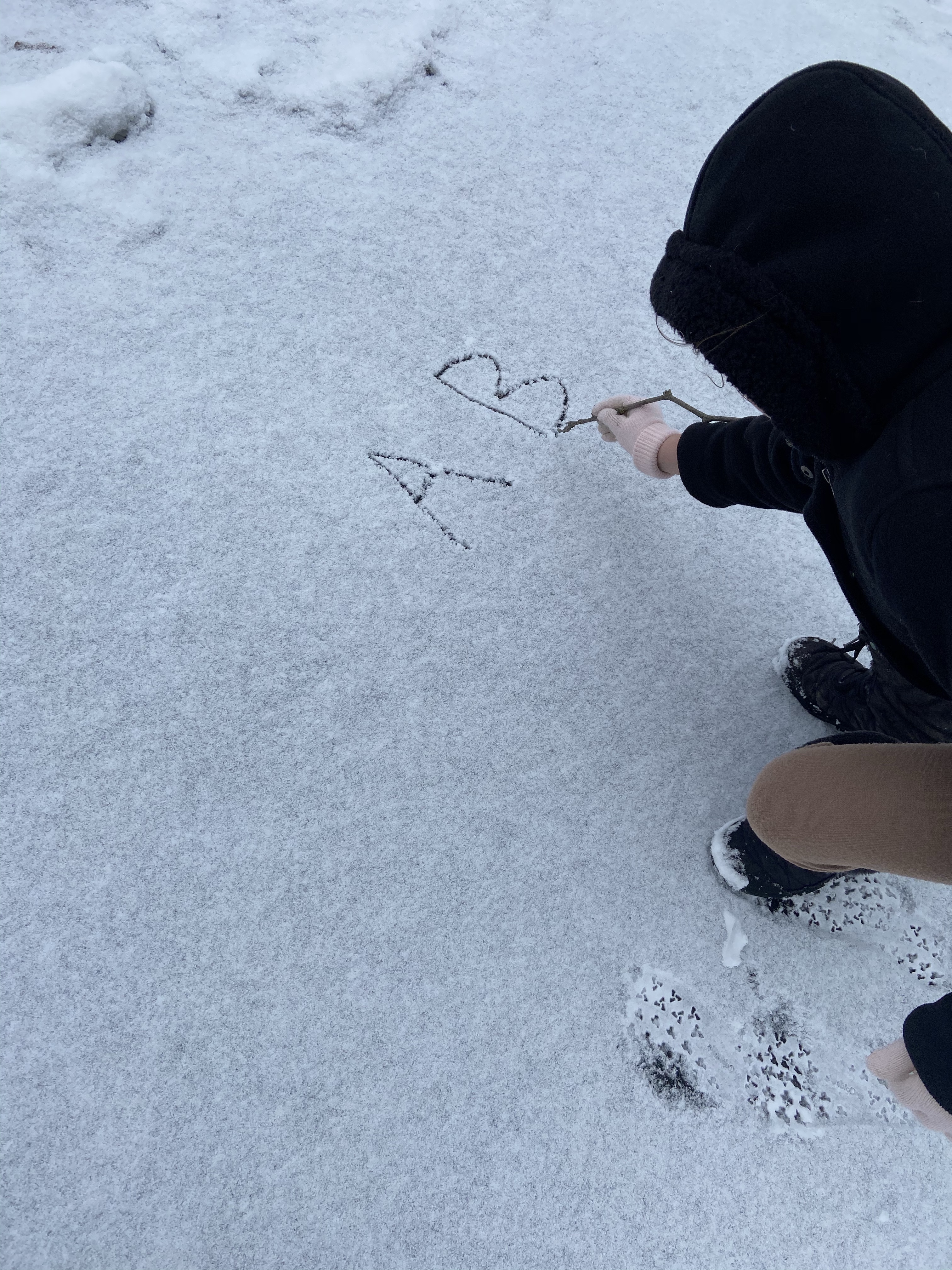
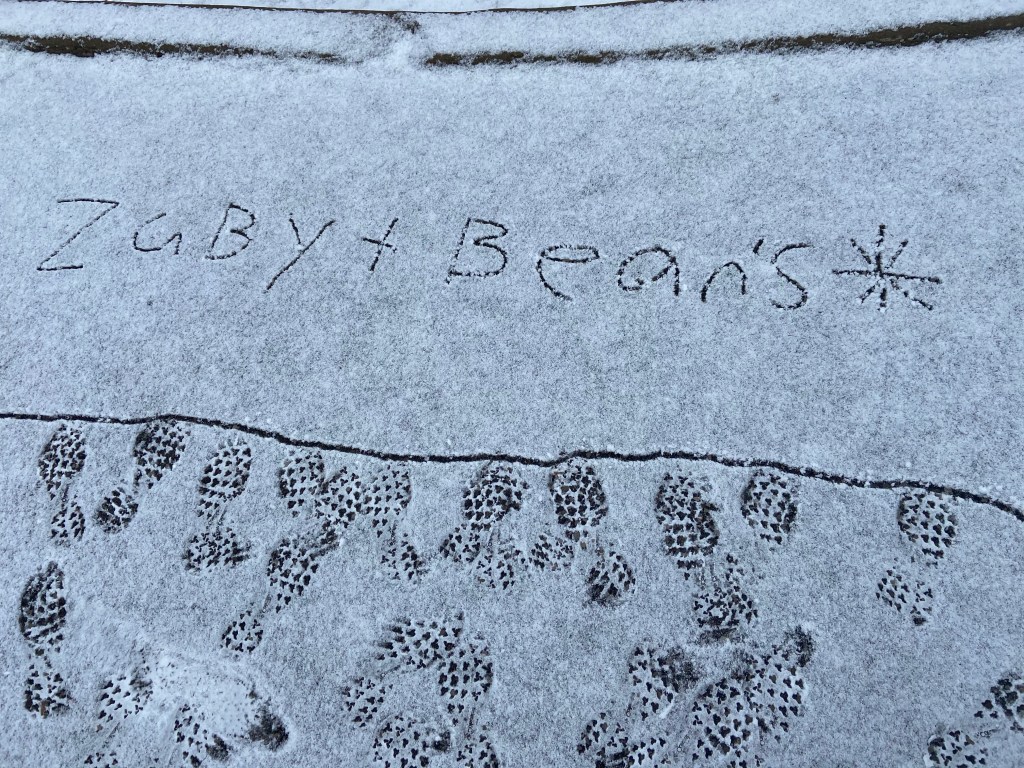
  1. Use your twig to draw shapes, lines and pictures. This is perfect for developing prewriting skills.
  2. Older children can further develop their writing skills by also writing words.
  3. This is a fun way to work on academics, especially for children that don’t enjoy writing.

Adaptations

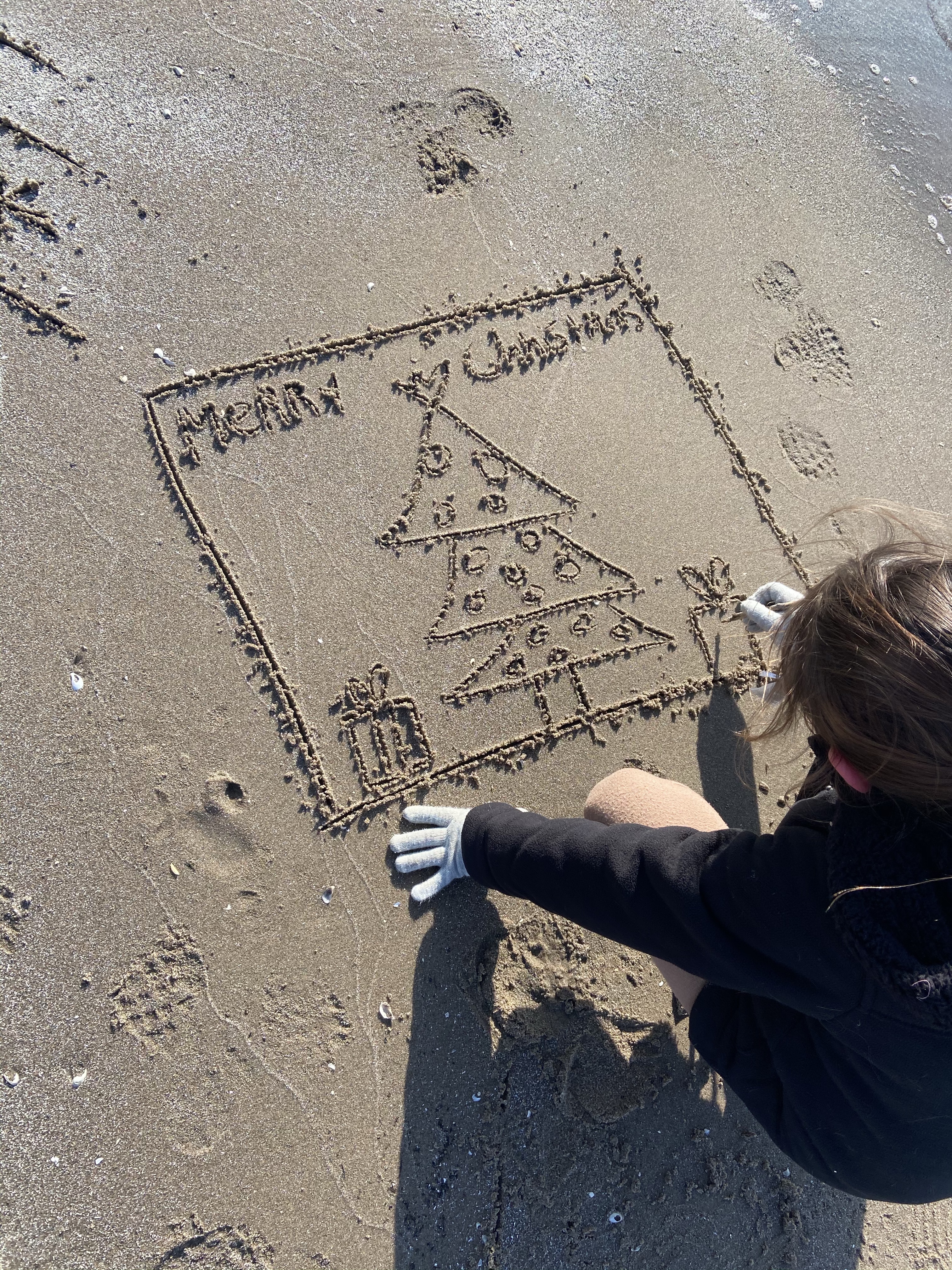
  • No snow! No problem! This activity can also be done with sand.
  • Children can grab different sizes and different kinds of twigs (ie. twig with pine needles) to experiment and compare the different writing tools.

Skills

  • Fine motor
  • Spelling
  • Language
  • Handwriting
  • Science
  • Nature
  • Hand strength
  • Literacy
  • Creative
Academics

Roll to 100 Game

Supplies

  • 2 Players
  • 1 Die or 2 Dice
  • 2 objects that represent each player (paper clips, counters, small stones, play dough etc)
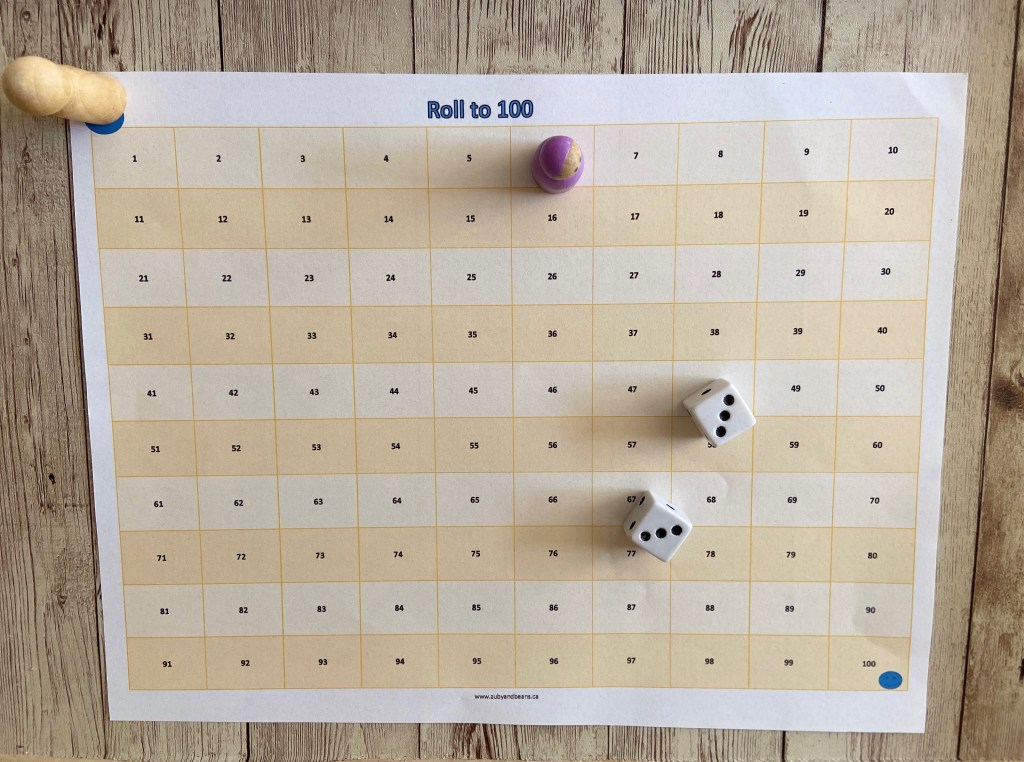
  • Printable “Roll to 100 Game Board”

Instructions

Game Options

Option 1: Counting
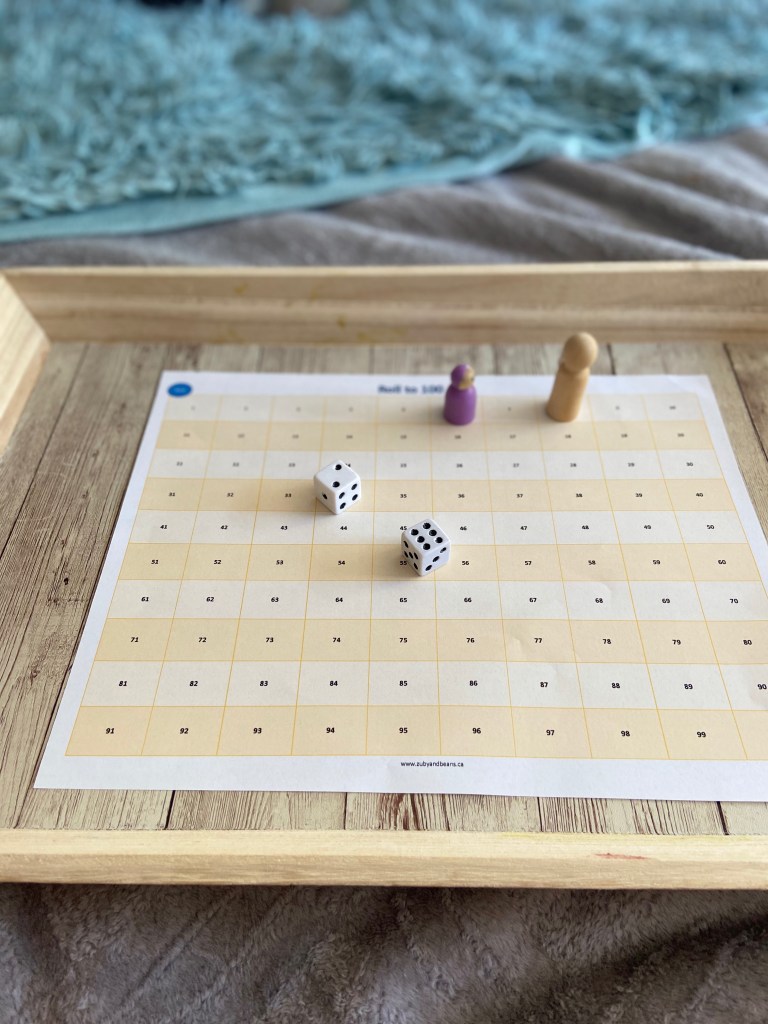
  1. Lay the printable “Roll to 100 Game Board” on a flat surface.
  2. Place players on start.
  3. Player one rolls the die and moves the indicated number of steps (ie. if you roll a 4 then you would count 4 steps).
  4. Player two rolls the die and moves the indicated number of steps.
  5. Repeat until a player reaches 100
  6. Alternatively, this game could be played cooperatively rather than competitively by allowing each player to reach 100.
Option 2: Addition
  1. Lay the printable “Roll to 100 Game Board” on a flat surface.
  2. Place players on start.
  3. Player one rolls the dice (2 dice) and adds both numbers together (ie. if you roll a 2 and a 5, you would demonstrate 2+5=7 and move 7 steps).
  4. Player two rolls the dice, adds both numbers together and moves the resulting number of steps.
  5. Repeat until someone reaches 100.
  6. Alternatively, this game could be played cooperatively rather than competitively by allowing all players to reach 100.

Adaptations

  • Create your own game!
  • Look for number patterns
  • Practice counting
  • Laminate and use as a play dough mat: find numbers and cover them with play dough. Example: ask your child to find the number 24 and place a small ball of dough on the number found. Don’t forget to give it a squish!

Skills

  • Number recognition
  • Counting
  • Addition
  • Early math skills
  • Fine motor
  • Cognitive skills
  • Academic
  • Socioemotional skills when having fun and connecting with adult/parent

Download the “Roll to 100 Board Game” below!