Play

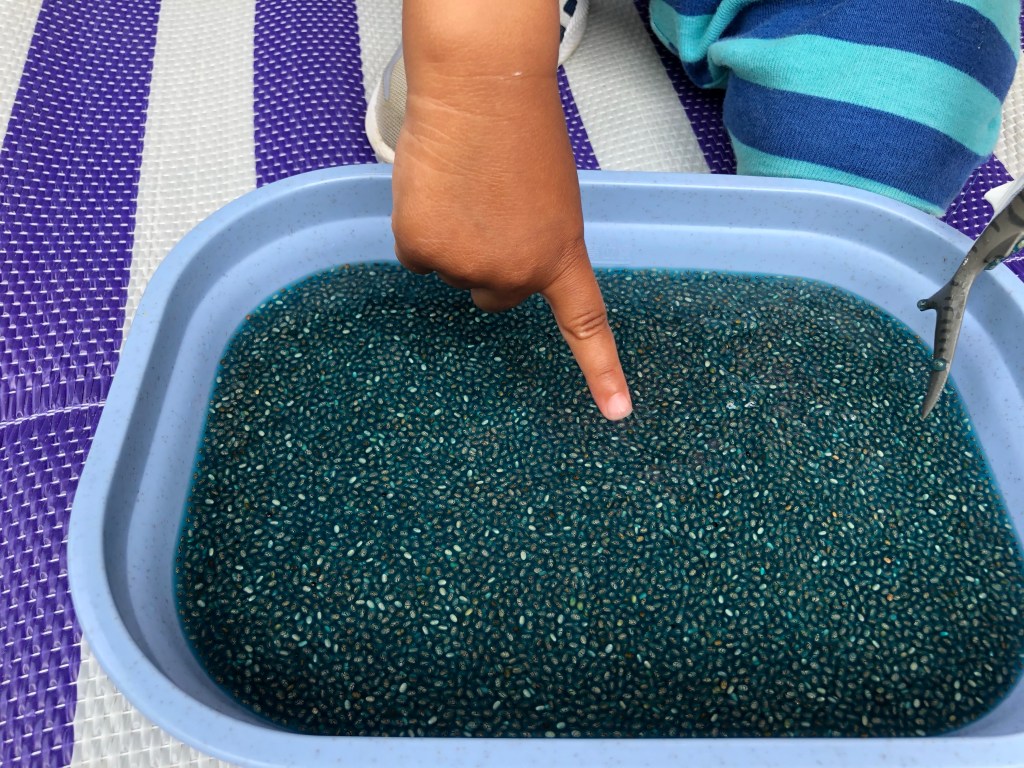
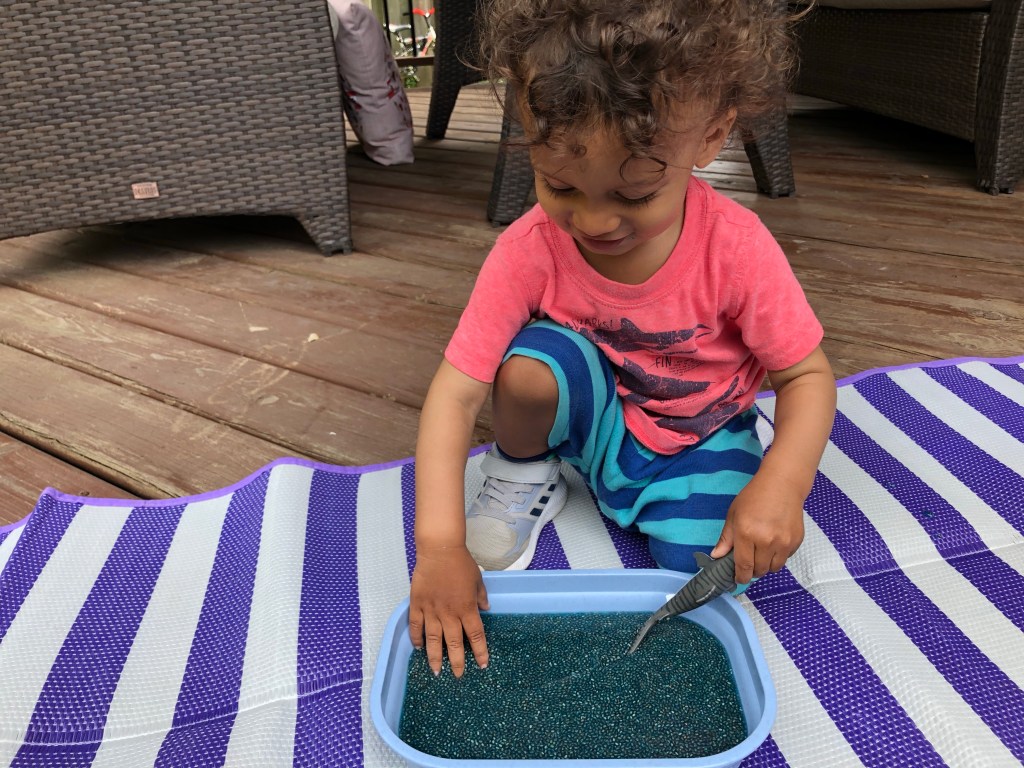
Chia Seed Sensory Bin

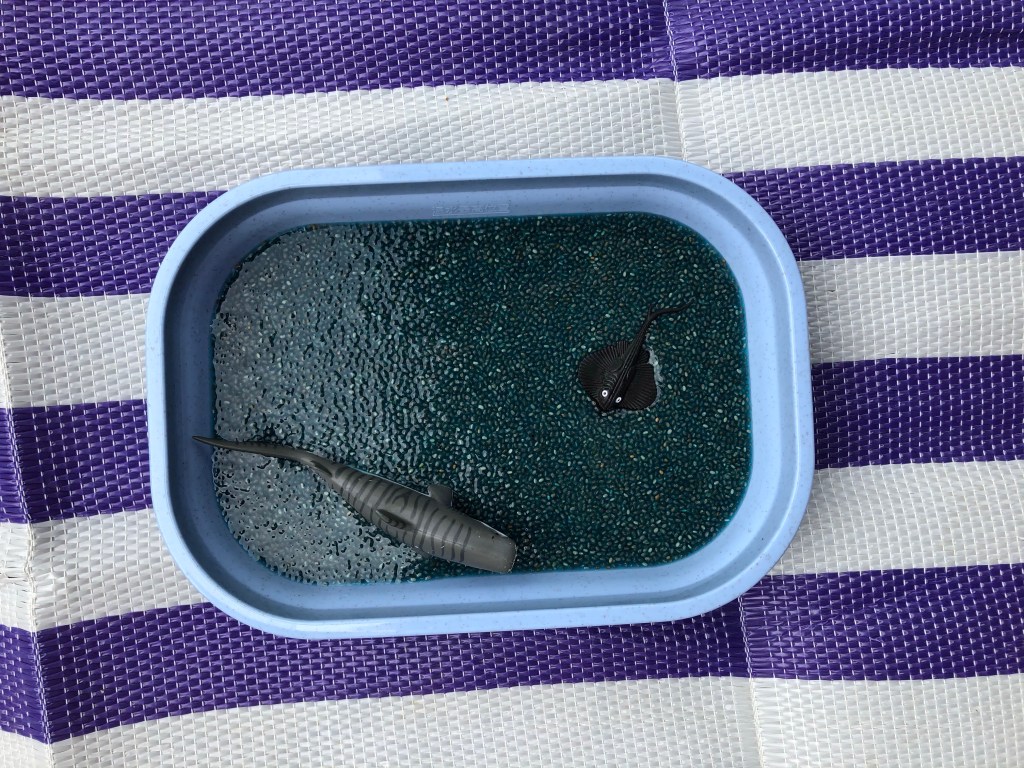
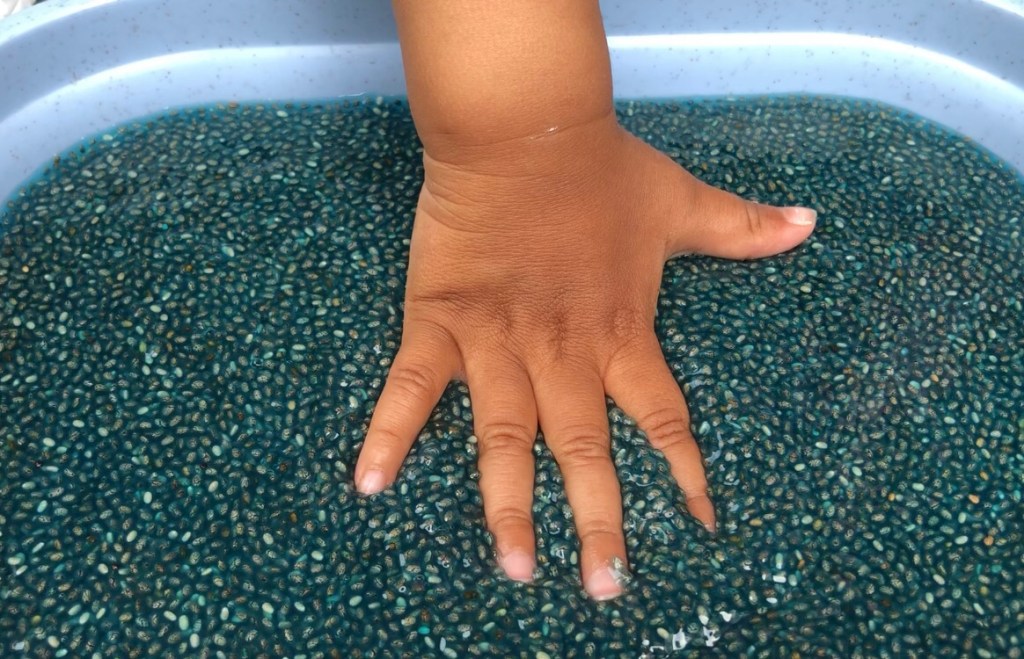
A chia seed sensory bin is perfect for children who have a tendency of putting items in their mouth.

Supplies:

  • 1/4 cup chia seeds
  • 1 3/4 cup water
  • Container
  • Optional: food colouring, figurines

* This recipe made the right amount for us to play with. However, recipe can be doubled if making a larger sensory bin.

Instructions:

  1. Add chia seeds and water together in air tight container.
  2. Add a few drops of food colouring (if you choose to do so) and mix together.
  3. Put lid on container and place in fridge overnight.
  4. Place chia seeds in sensory bin and enjoy 🙂

Adaptations or Extension of Play

  • Add small world items (animal figurines, ocean theme, snow theme, etc.).
  • Add cups and containers for dumping, filling and pouring.
  • Hide items such as alphabet letters, numbers, small toys or figurines to be found (larger toys for infants and toddlers).
  • Large tweezers for kids can be used to pick up items hidden in the chia seeds.

Skills

  • Sensory skills
  • Math skills
  • Science skills
  • Cognitive skills
  • Fine motor skills
  • Eye hand coordination
  • Visual perception skills
  • Imaginative play
  • Dramatic play
Academics, Play

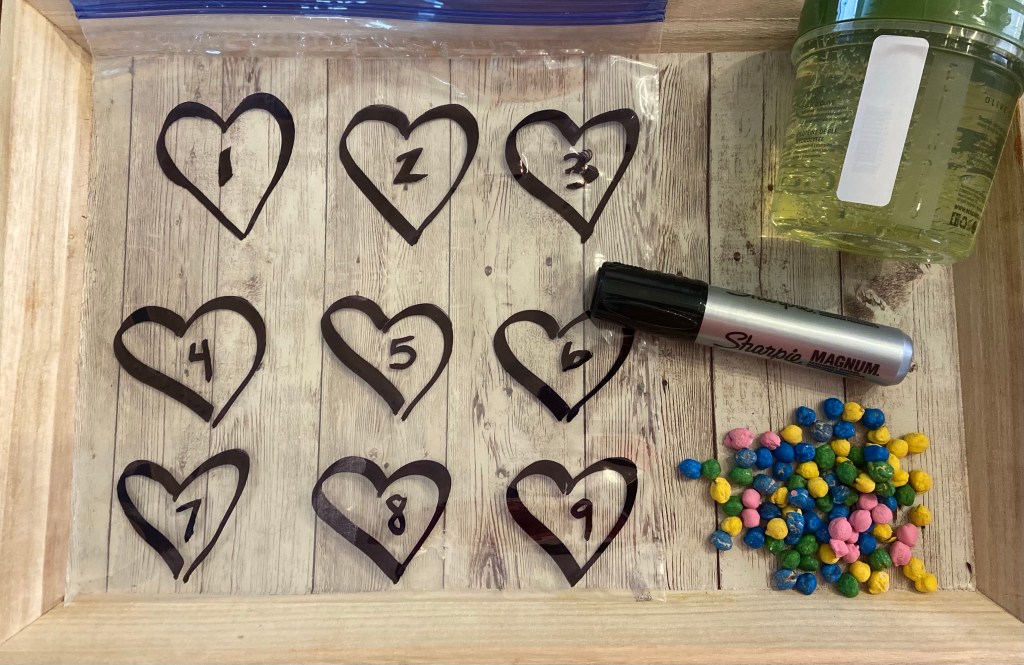
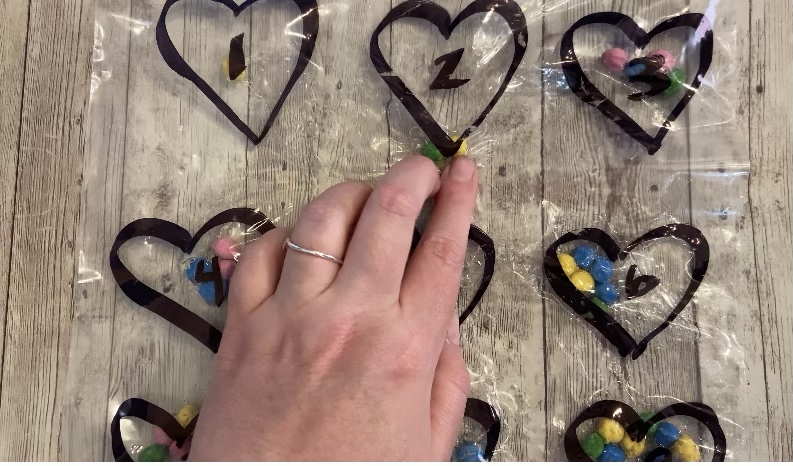
Chick Pea Game

We made a simple math game. It is a great way to further develop math and counting skills!

Supplies

  • Chickpeas, dried beans or pompoms
  • Permanent marker
  • Ziplock bag
  • Hair gel

Instructions

  1. Draw your game on the bag with permanent marker.
  2. Fill the bag with a glob of hair gel and spread it around.
  3. Fill the bag with desired amount of beans or pompoms.
  4. Encourage your child to use their fine motor skills to move the objects around.

Tip:

You can remove the logo off your Ziplock bag with rubbing alcohol – it wipes right off!

Skills

  • Fine motor
  • Cognitive
  • Counting
  • Concentration
  • Focus
Play

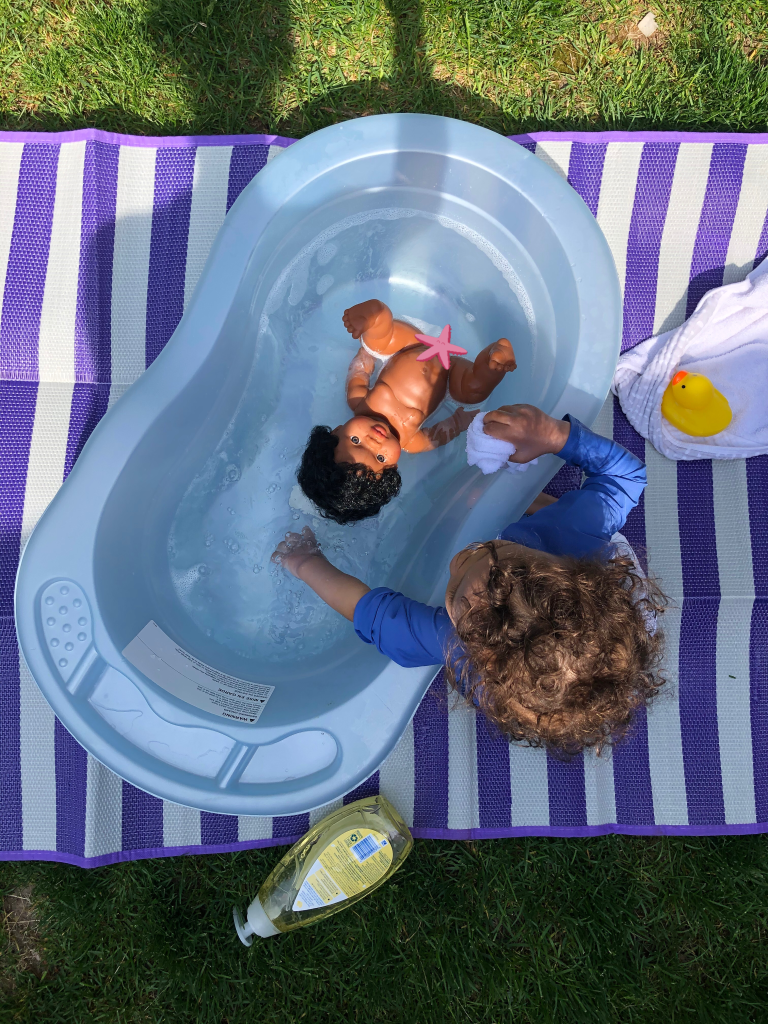
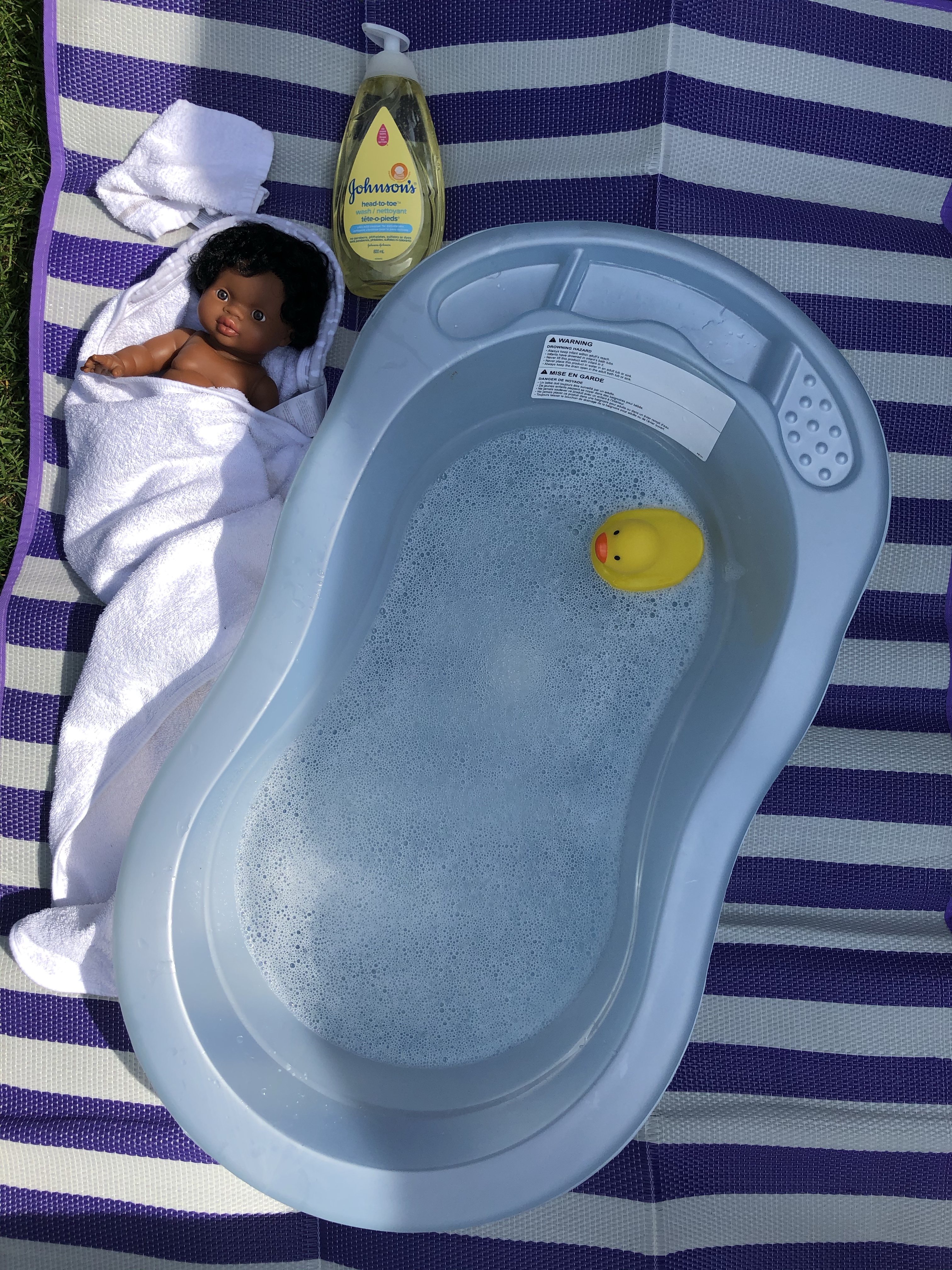
Baby Doll Bath

Opportunity to mimic adults, as they wash and care for their baby.

Supplies

  • Baby doll
  • Baby bathtub (or plastic bin)
  • Water
  • Optional: facecloth, soap, towel, etc

Instructions

  1. Fill the baby bathtub with water and have all the optional supplies available for your child to bathe baby.
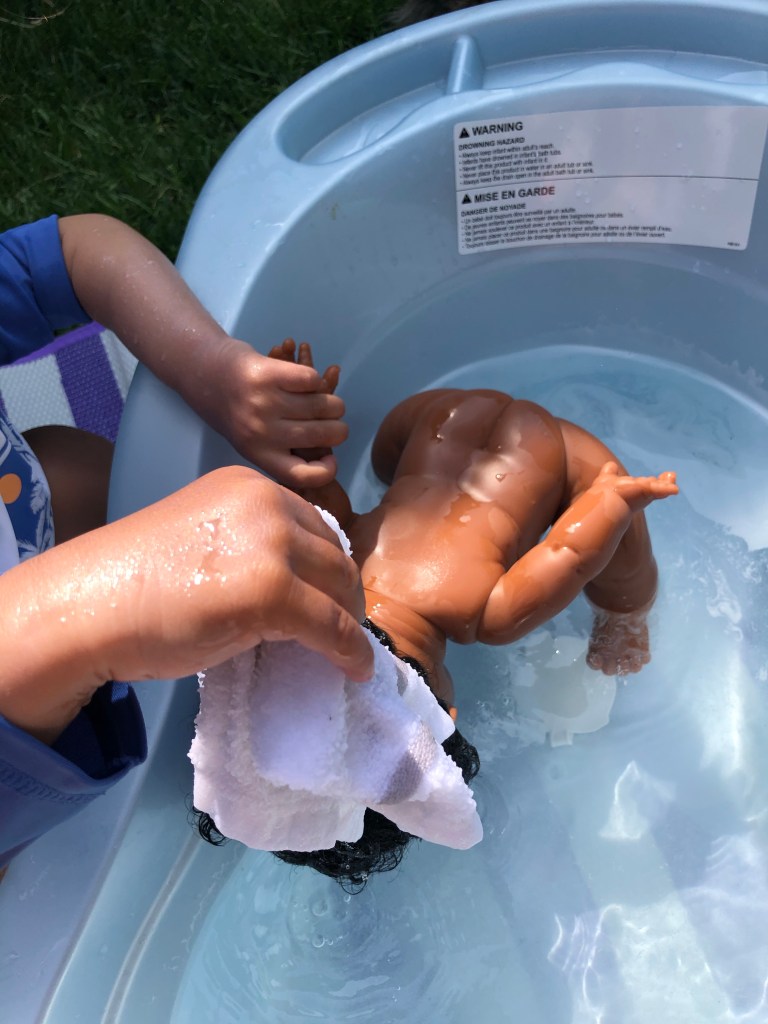
  2. Children will enjoy giving the baby a bath. They can soap the baby up, wash the baby and dry the baby after bath time.

Note:

As always, we recommend that ALL of our activities be supervised by an adult.

Skills

  • Socioemotional development
  • Empathy and compassion
  • Language
  • Fine motor
  • Imaginative play
Play

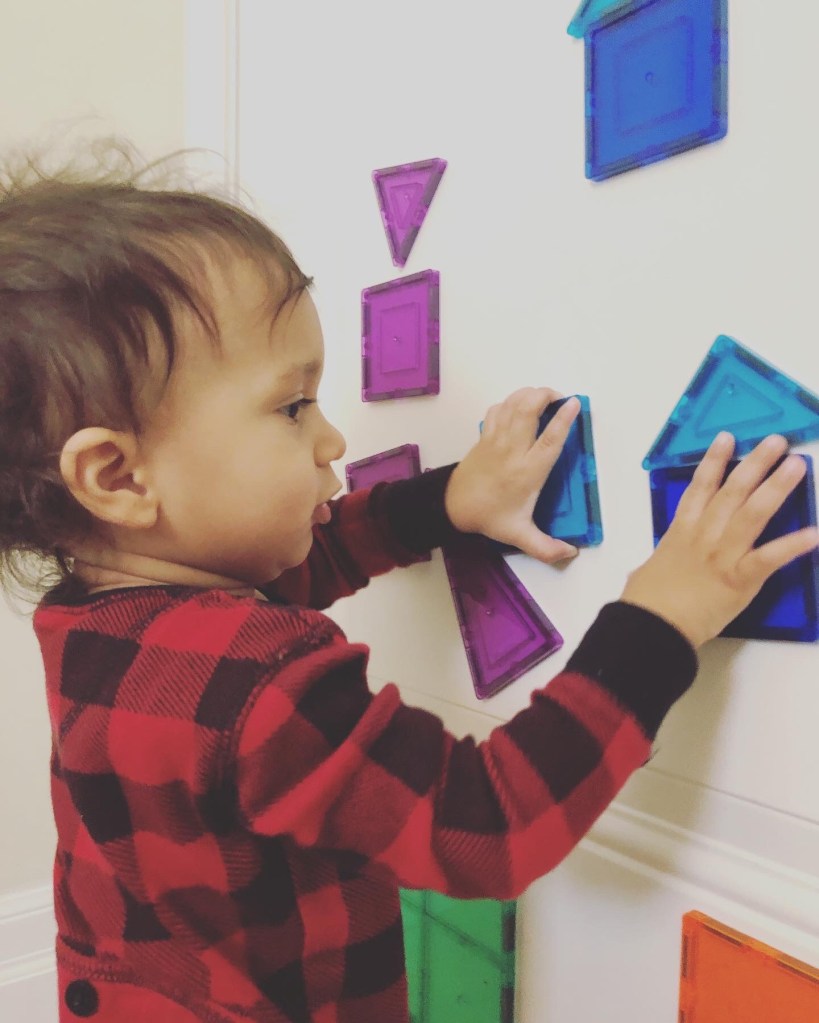
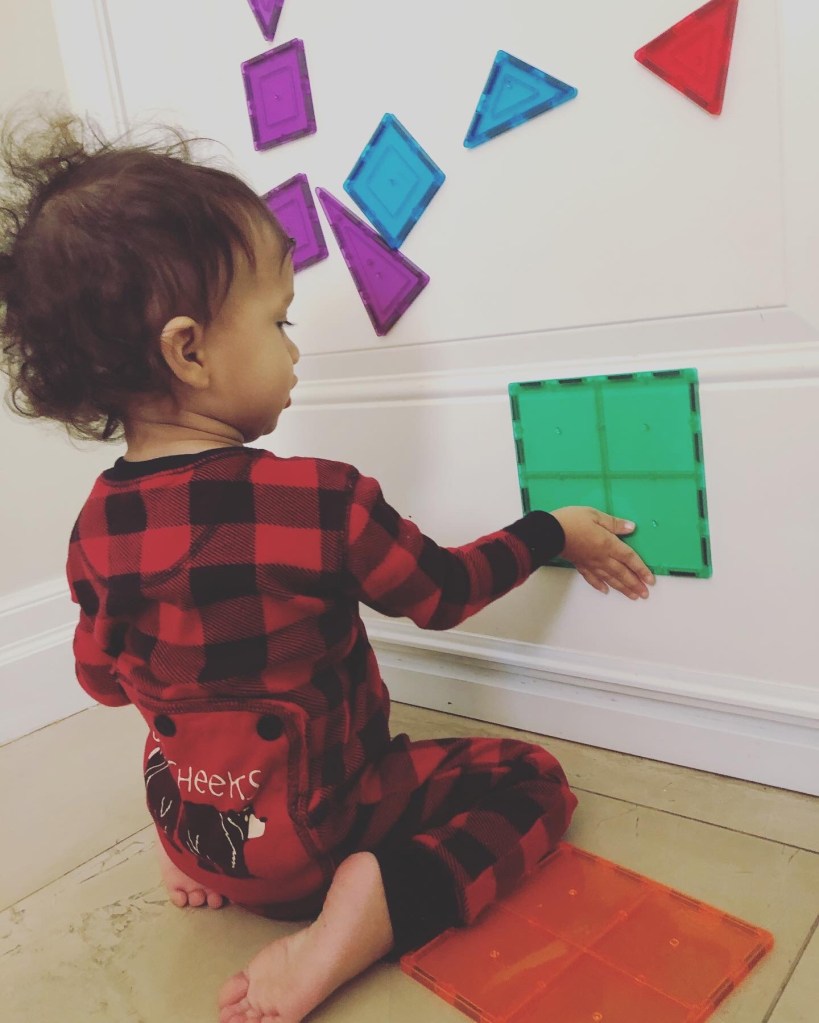
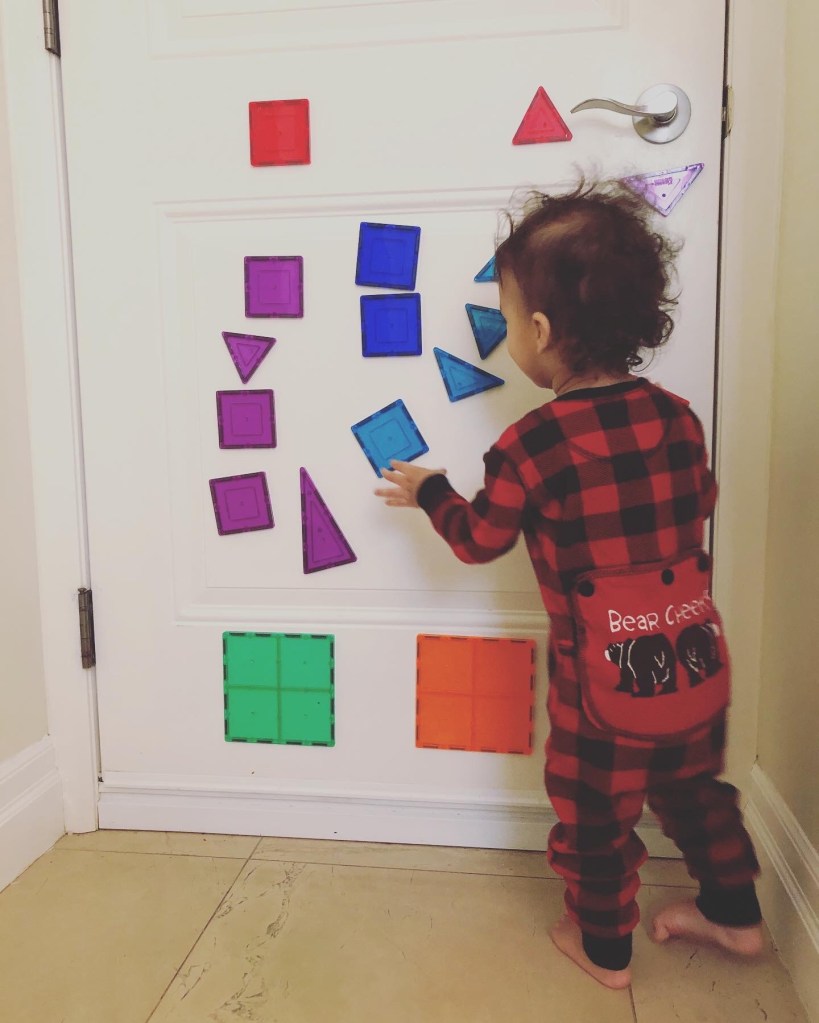
Magnetic Tiles Door Play

Children will enjoy this unique way to play with magnetic tiles.

Supplies

  • Magnetic tiles (we used Picasso Tiles)
  • Metal door (or other surface, such as a garage door)

Instructions

  1. Allow children to stick the magnetic tiles to the door. Older children may create a picture. Smaller children will enjoy placing and removing the magnetic tiles.

Skills

  • Math: shapes, patterns, sorting
  • Science: exploring magnetism
  • Creativity
  • Colour recognition and sorting
  • Maintaining attention for increasing periods of time
  • Focus on task

Adaptations/Extensions

  • Children can further develop important math skills such as shapes, sorting and patterns. They can sort the tiles by shapes or colour. Children can also explore patterns by making patterns with different shapes and colours.
  • Try sticking your magnetic tiles to other items in your home.
We sorted these magnetic tiles by colours.
Play

What’s Missing?

This is a great activity for building executive functioning skills.

Supplies

  • Various items
  • Board or mat

Instructions

  1. Place all items on a board or mat.
  2. Ask your child to study the items creating a mental picture.
  3. Have your child close their eyes while you remove an object.
  4. Have your child open their eyes and guess what item is missing.

Adaptations/Extensions

  • Take turns being the one to remove an object
  • Make it more or less challenging by increasing/decreasing the number of items

Skills

  • Executive function
  • Visualization
  • Attention
  • Working memory
Play

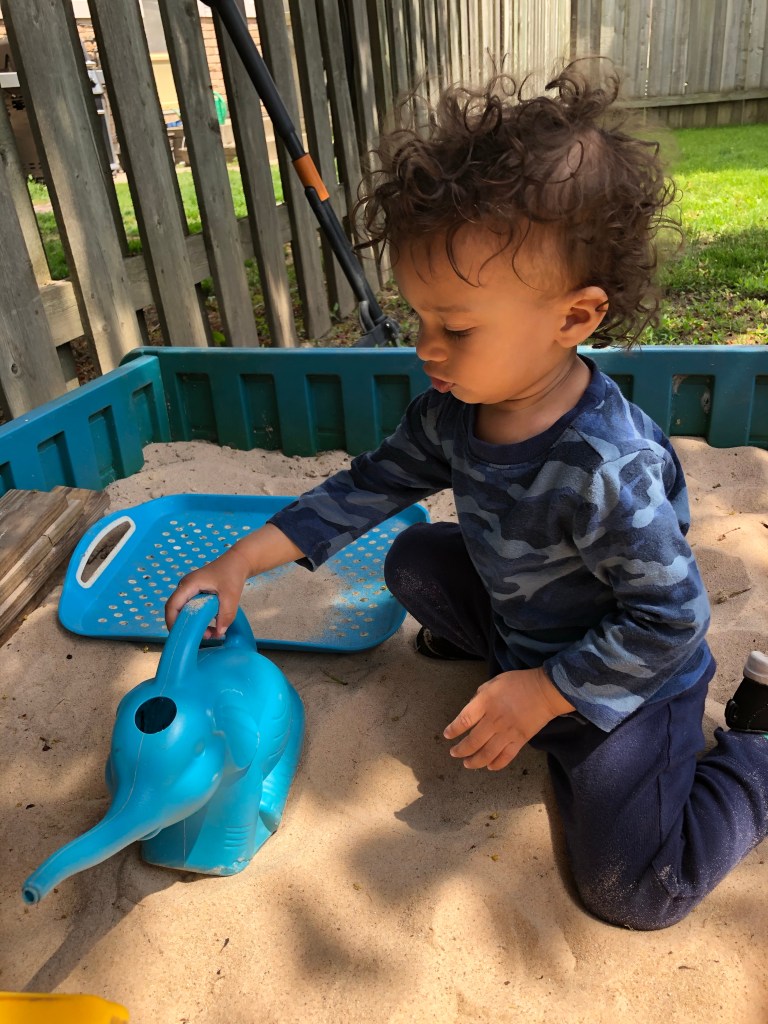
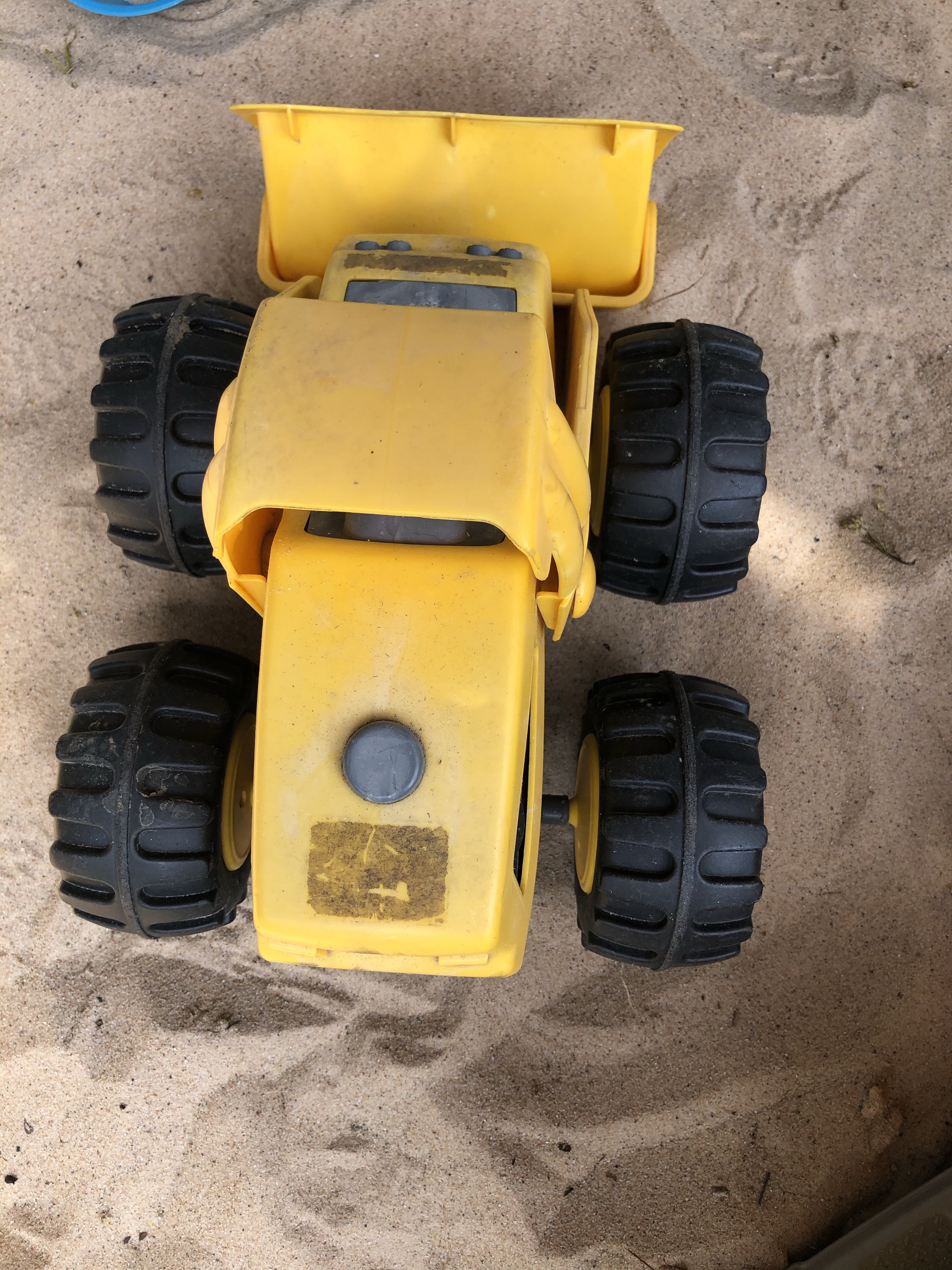
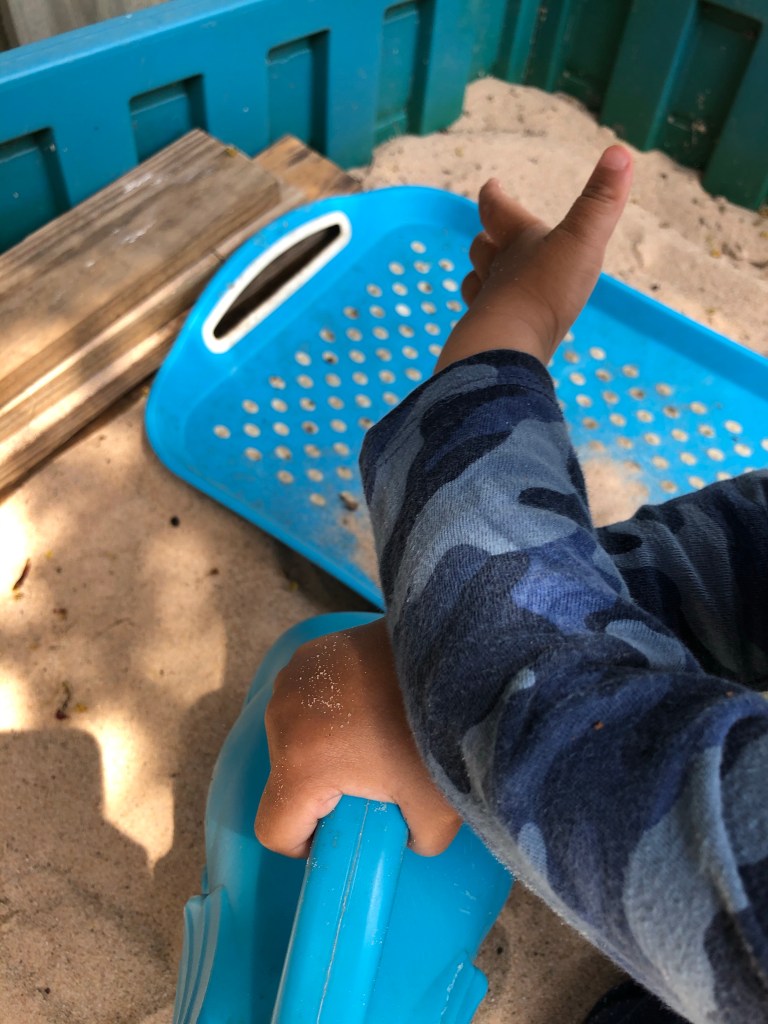
Sand Play

Sand play allows for unstructured play time.

Supplies:

  • Sand
  • Optional: sand toys, small shovel, truck, water, etc.

Instructions

  1. This activity is so simple, simply allow your child to play in the sand and use their imagination.
  2. Children learn through play and playing with sand is the perfect learning opportunity.

Adaptations

  • Use a twig to draw shapes, lines and pictures. This is perfect for developing prewriting skills. Older children can further develop their writing skills by writing words.
  • Encourage small world play by including figurines (animals in the dessert, dinosaurs, etc).
  • Adding water to the mix allows children to make structures, bridges over water, etc.

Skills

  • Fine motor
  • Eye/hand coordination
  • Sensory
  • Socialization
  • Language
  • Creative
  • Science: when combined with water, see the sand change states (dry to wet)
  • Math: volume (ie. transferring the sand contents from one bucket to a bigger or smaller bucket)
Develop sensory skills and learn about different textures.
Play

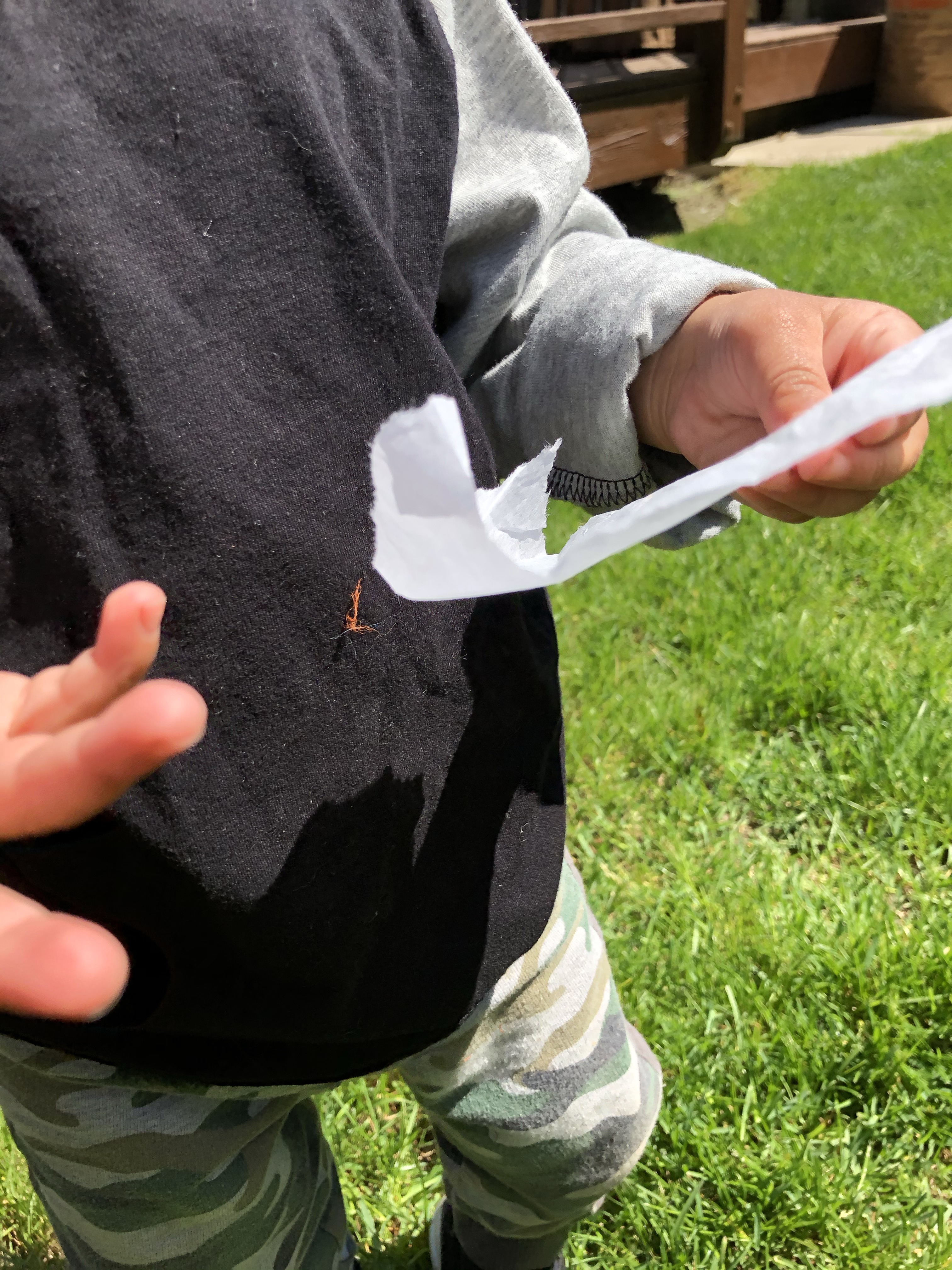
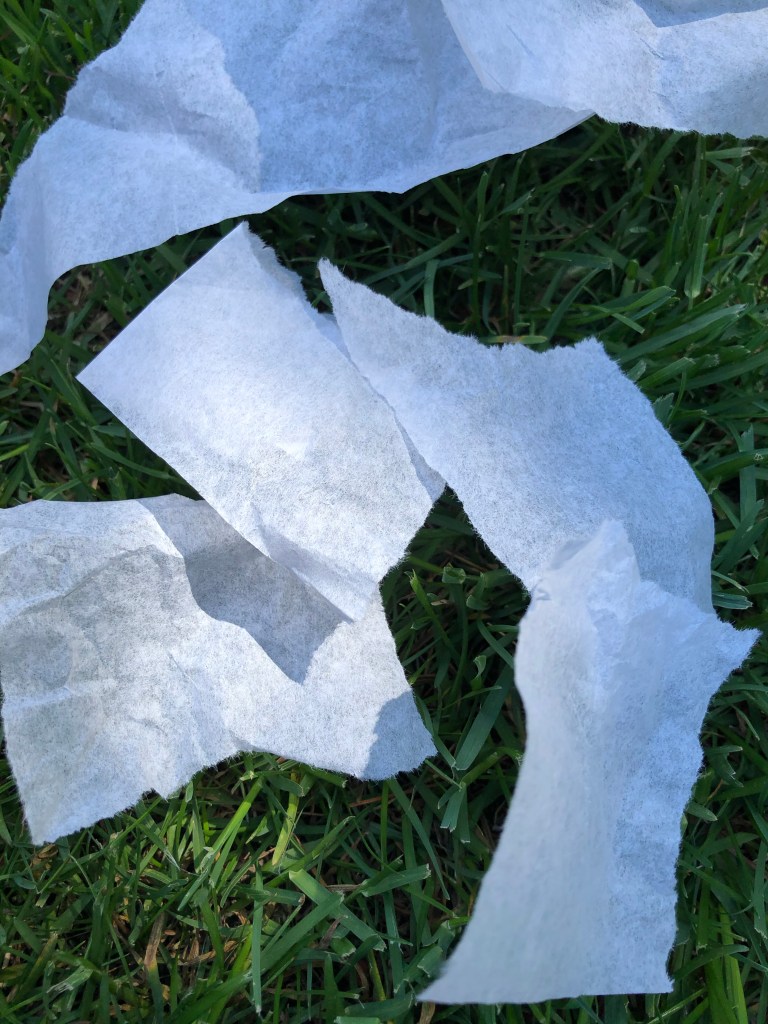
Tearing Paper

Recommend Age: 18 months and up

Yes, it’s a developmentally supportive activity 🙂

Supplies

  • Newspaper (or any easy to tear papers that you wish to recycle)

Instructions

  1. Tell your child that this is special paper that we can have fun tearing up before we recycle it.
  2. Demonstrate tearing off small pieces of newspaper. Comment on the sizes “Wow, you’re tearing off a BIG piece of paper.”
  3. Throw the pieces in the air! Crumple pieces into balls! Have fun!
  4. Set aside a clean bin that your child can use to help clean up all the papers at the end. You may also show them how to dump the bin into your paper recycling bin. Hint: They may wish to even watch the recycling truck pick up the paper in garbage day!

Skills

  • Fine motor
  • Social when completed with friends or caregiver
  • Language: big, small, lots, little, tear
Tip:
  • This is a great activity for redirecting a child who is tearing pages in their books. Gently redirect them to “special tearing paper”.
create, Play

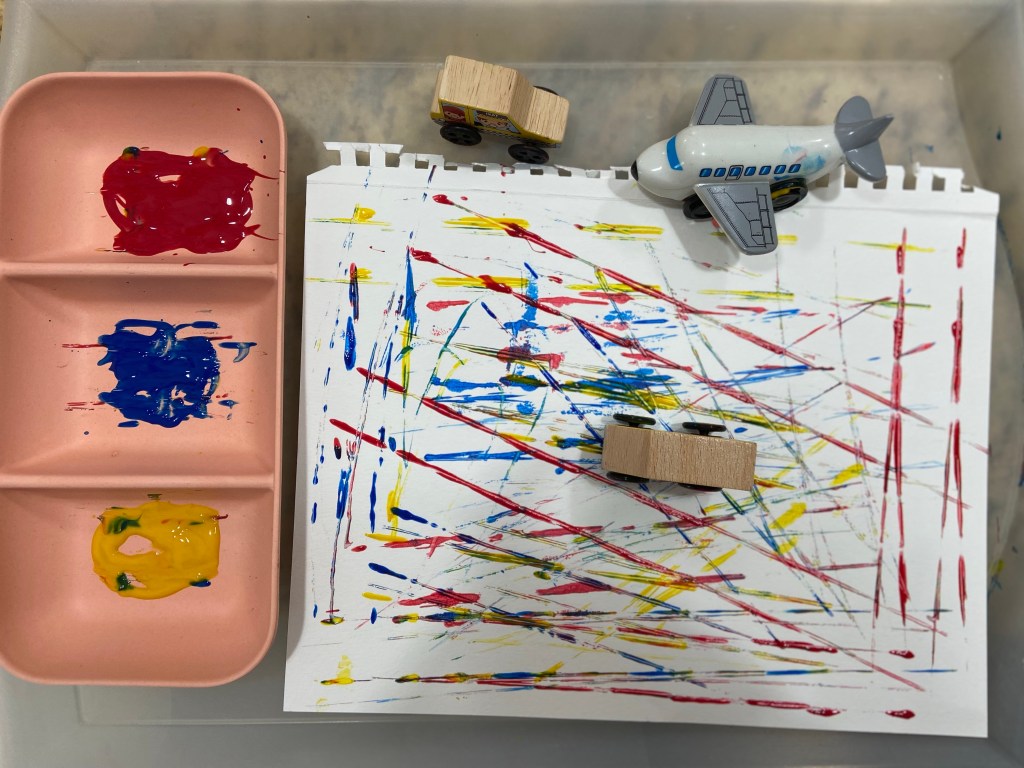
Toy Car Painting

Supplies

  • Toy cars
  • Paint
  • Plates
  • Paper

Instructions

  1. Pour paint on to a plate. Repeat for as many colours as you would like.
  2. Have fun driving toy cars through the paint, this coats the wheels.
  3. Drive your car on the paper and watch as the tire tracks appear.

Skills

  • Motor skills
  • Colour mixing
  • Art
  • Creative
create, Play

Painting a Birdhouse

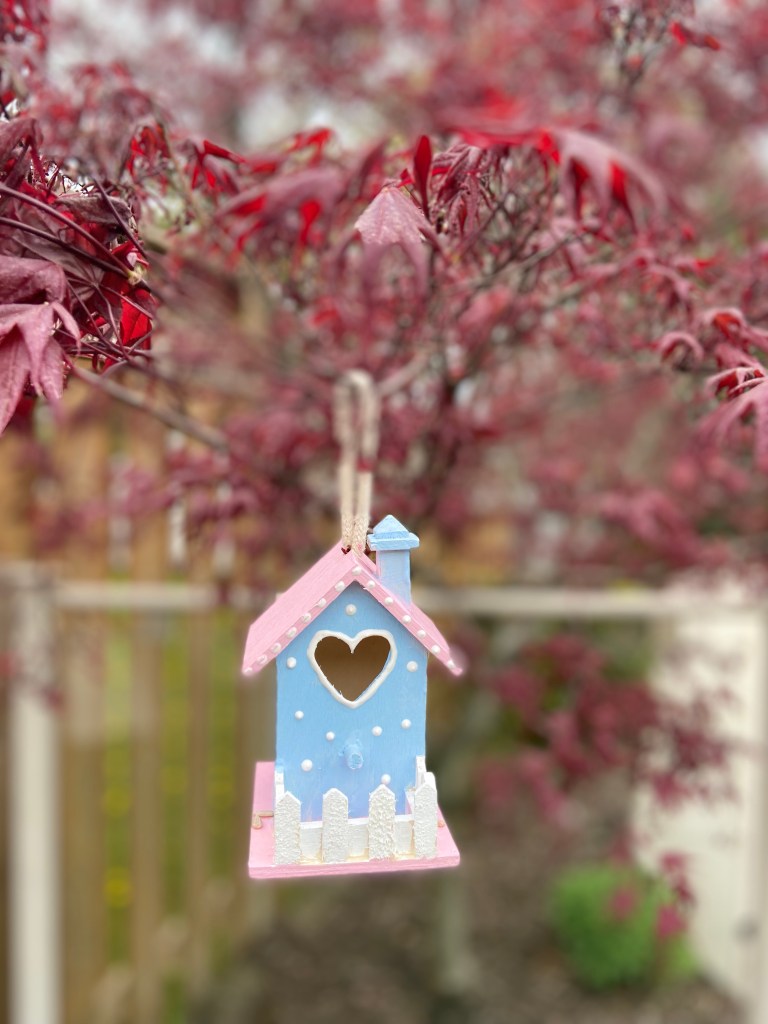
This birdhouse looks beautiful hung outside on a tree.

Birdhouses can be coated with mod podge and hung outside or they can be kept inside and used for dramatic play. They make excellent fairy homes!

Supplies

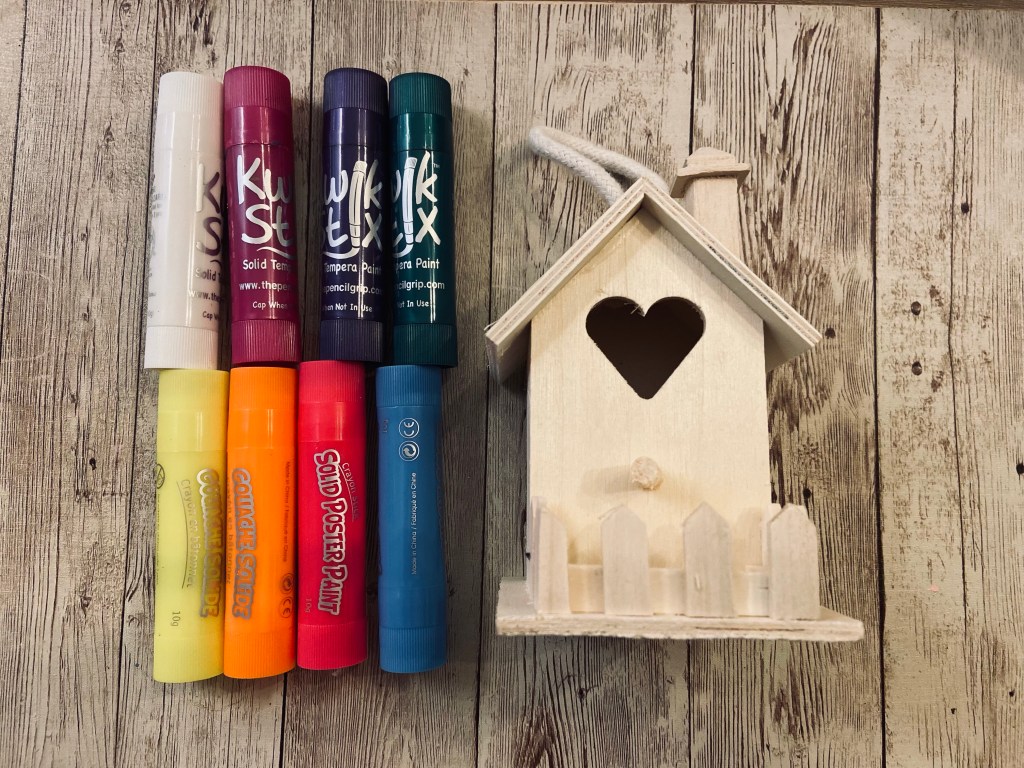
  • Birdhouse (Michael’s or dollar store)
  • Paintbrush
  • Acrylic paints
  • Cup of water for cleaning brushes
  • Optional:
  • Mod podge
  • Table cloth for crafting
  • Old towel or paper towel for messes

Tip

For younger children we recommend washable paint or paint sticks. Remember, process over product!

Instructions

  1. Paint your birdhouse and then allow to dry. Remember, process over product!
  2. If sealing with mod podge do so once paint has dried. Then allow mod podge to dry.
  3. Enjoy your beautiful birdhouse by hanging it outside, or keeping it inside for dramatic play.

Adaptations

  • Glue beads, dried flowers, gems or rocks to your house.
  • Create a house based on your interests… maybe a haunted house. Use your imagination!

Skills

  • Creative
  • Colour recognition
  • Fine motor
  • Socioemotional when working together
This birdhouse is ready to be painted.