Eat

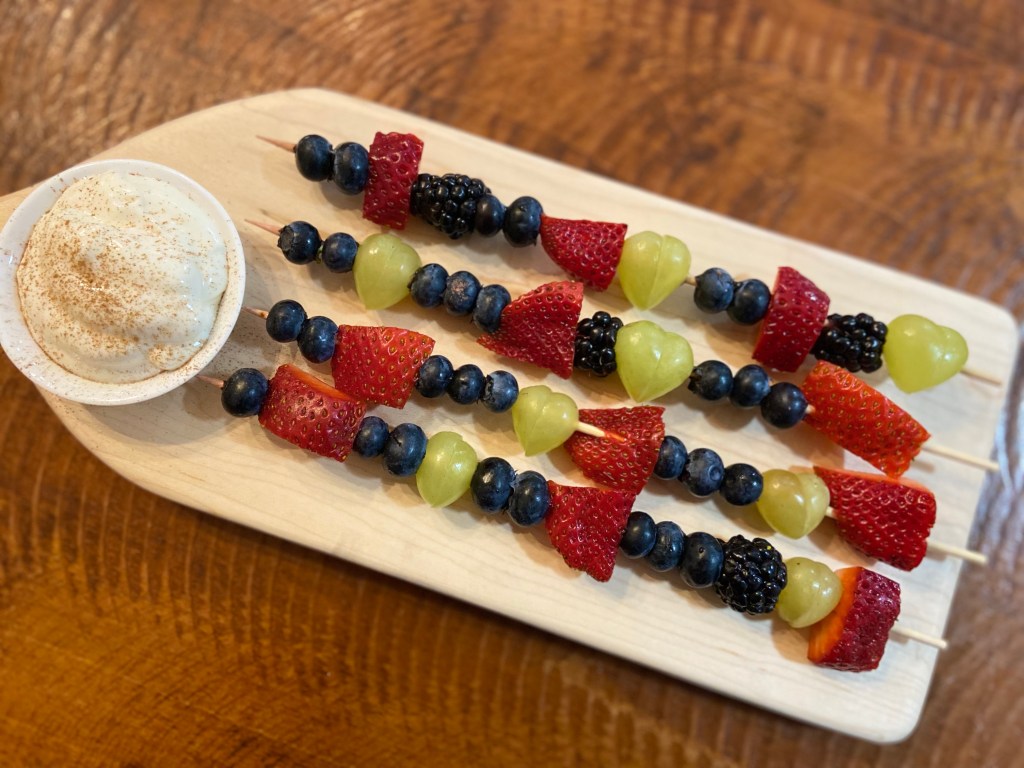
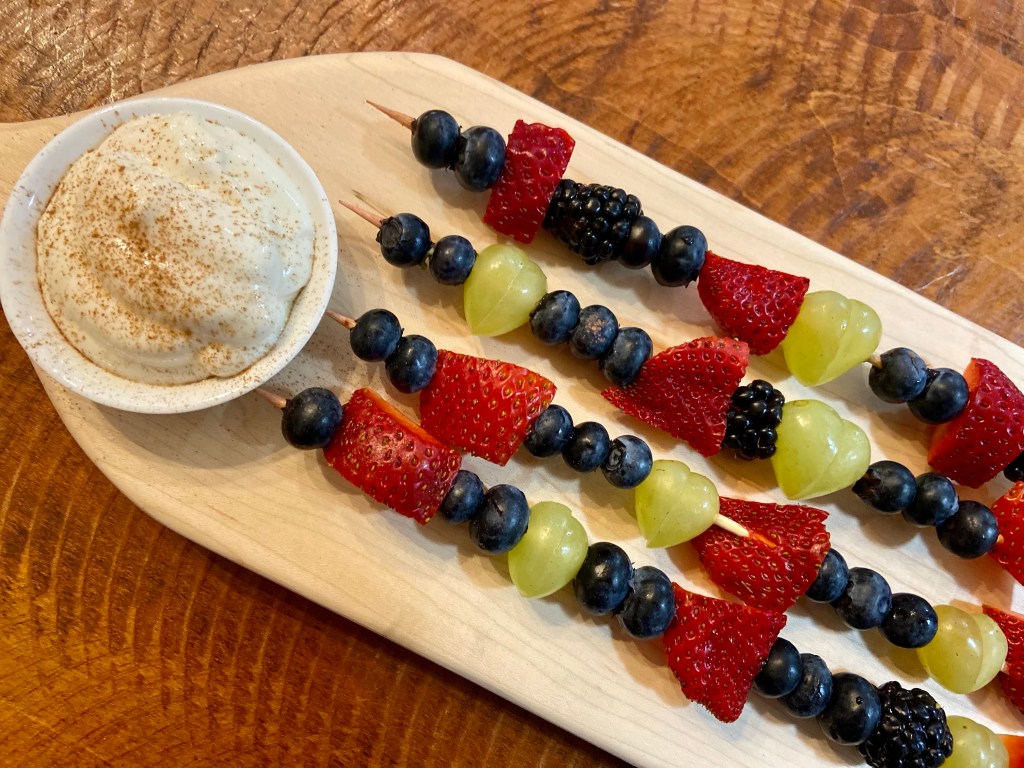
Fruit Kabobs

Preparing fruit kabobs are a great way to further develop important skills.

Ingredients

  • Fresh fruit: strawberries, blackberries, raspberries, blueberries, grapes, melon, etc.
  • Skewers: you may wish to cut the sharp tips off with scissors when working with younger children
  • Optional: yogurt for dipping

Instructions

  1. Prepare the fruit by washing and cutting into chunks.
  2. Thread fruit onto skewers and enjoy!

Adaptations/Extensions

  • Change up the fruit, add chunks of banana bread or cheese
  • Build your kabobs in small groups while further developing social skills

Skills

  • Fine motor
  • Math (patterns, counting, sequencing)
  • Healthy eating
  • Cooking (preparing food)
Play

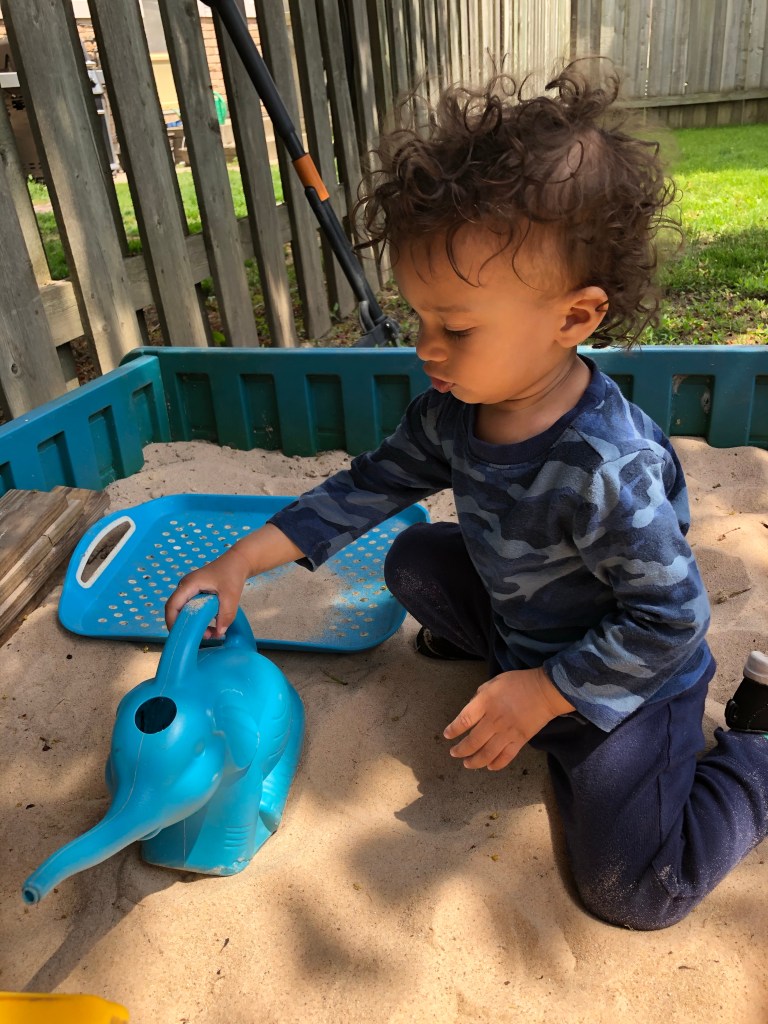
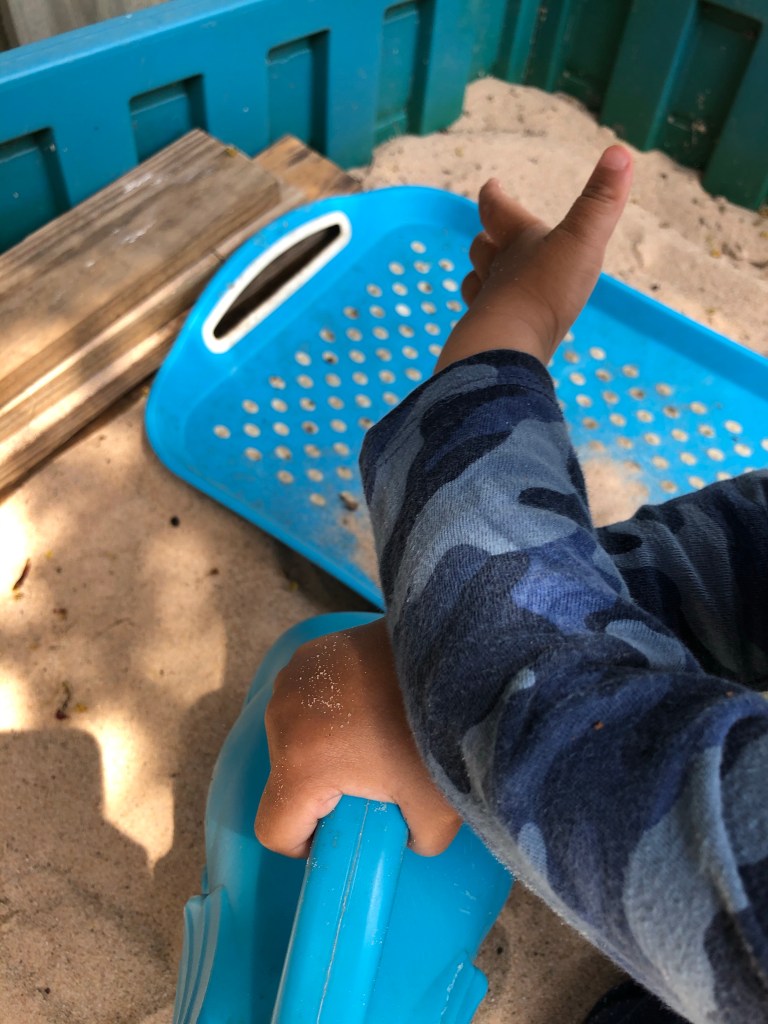
Sand Play

Sand play allows for unstructured play time.

Supplies:

  • Sand
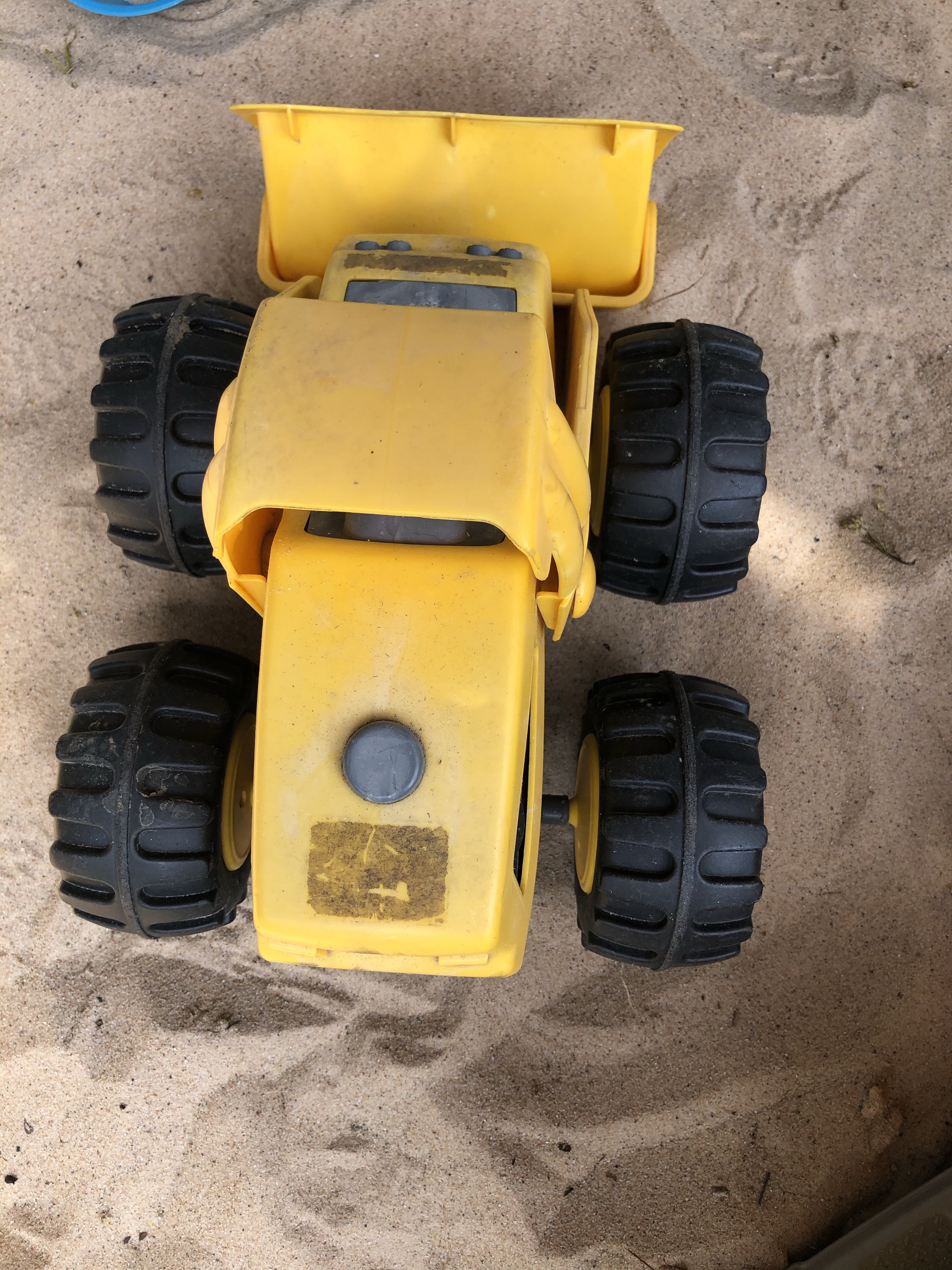
  • Optional: sand toys, small shovel, truck, water, etc.

Instructions

  1. This activity is so simple, simply allow your child to play in the sand and use their imagination.
  2. Children learn through play and playing with sand is the perfect learning opportunity.

Adaptations

  • Use a twig to draw shapes, lines and pictures. This is perfect for developing prewriting skills. Older children can further develop their writing skills by writing words.
  • Encourage small world play by including figurines (animals in the dessert, dinosaurs, etc).
  • Adding water to the mix allows children to make structures, bridges over water, etc.

Skills

  • Fine motor
  • Eye/hand coordination
  • Sensory
  • Socialization
  • Language
  • Creative
  • Science: when combined with water, see the sand change states (dry to wet)
  • Math: volume (ie. transferring the sand contents from one bucket to a bigger or smaller bucket)
Develop sensory skills and learn about different textures.
Play

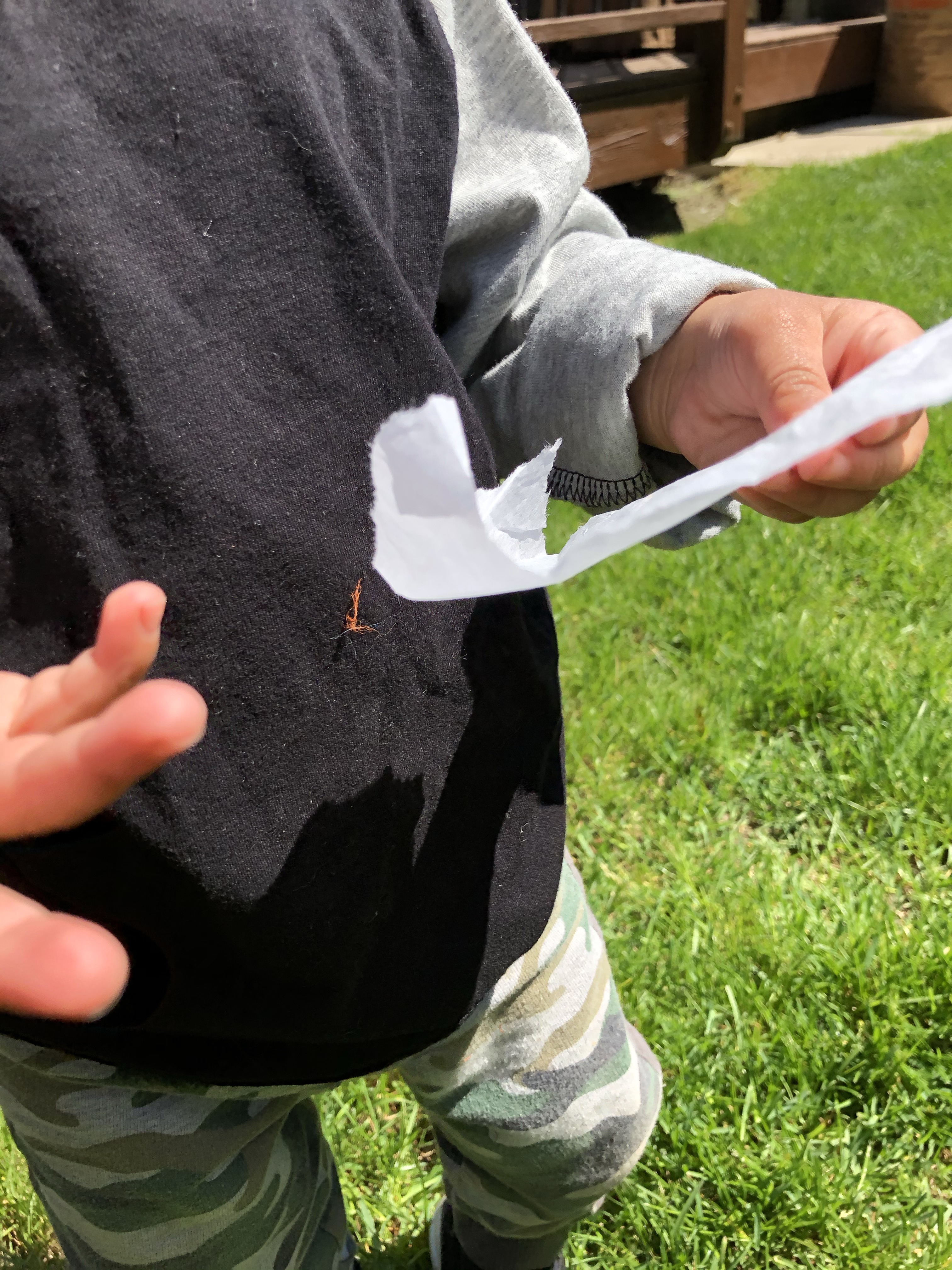
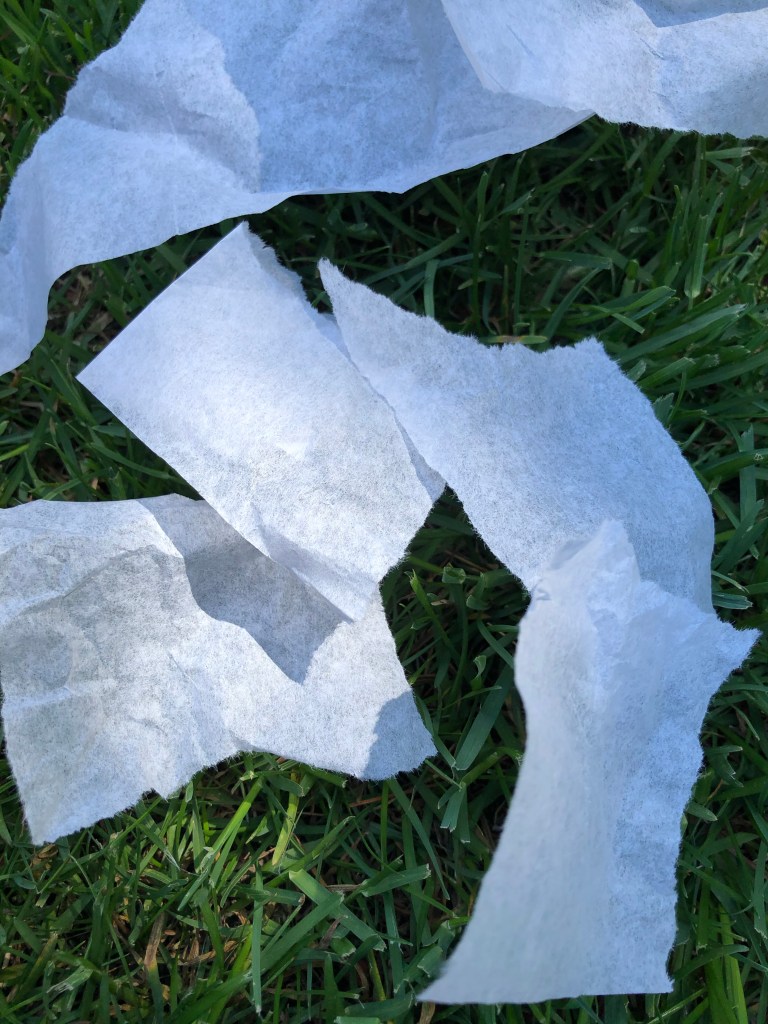
Tearing Paper

Recommend Age: 18 months and up

Yes, it’s a developmentally supportive activity 🙂

Supplies

  • Newspaper (or any easy to tear papers that you wish to recycle)

Instructions

  1. Tell your child that this is special paper that we can have fun tearing up before we recycle it.
  2. Demonstrate tearing off small pieces of newspaper. Comment on the sizes “Wow, you’re tearing off a BIG piece of paper.”
  3. Throw the pieces in the air! Crumple pieces into balls! Have fun!
  4. Set aside a clean bin that your child can use to help clean up all the papers at the end. You may also show them how to dump the bin into your paper recycling bin. Hint: They may wish to even watch the recycling truck pick up the paper in garbage day!

Skills

  • Fine motor
  • Social when completed with friends or caregiver
  • Language: big, small, lots, little, tear
Tip:
  • This is a great activity for redirecting a child who is tearing pages in their books. Gently redirect them to “special tearing paper”.
create, Play

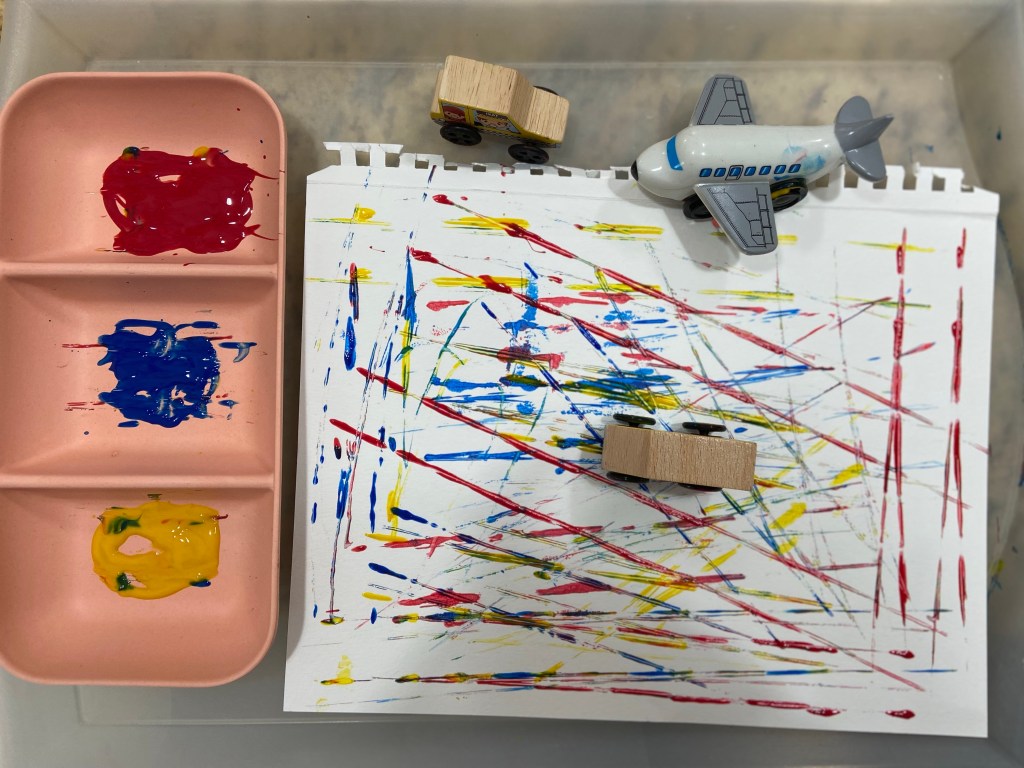
Toy Car Painting

Supplies

  • Toy cars
  • Paint
  • Plates
  • Paper

Instructions

  1. Pour paint on to a plate. Repeat for as many colours as you would like.
  2. Have fun driving toy cars through the paint, this coats the wheels.
  3. Drive your car on the paper and watch as the tire tracks appear.

Skills

  • Motor skills
  • Colour mixing
  • Art
  • Creative
create, Play

Painting a Birdhouse

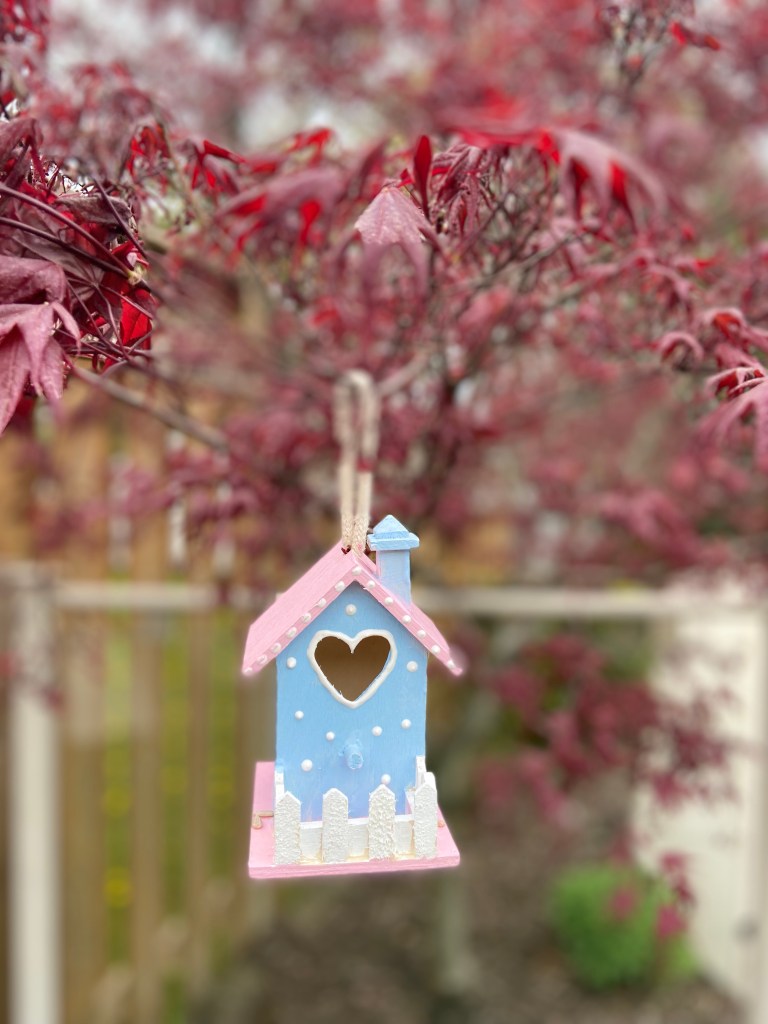
This birdhouse looks beautiful hung outside on a tree.

Birdhouses can be coated with mod podge and hung outside or they can be kept inside and used for dramatic play. They make excellent fairy homes!

Supplies

  • Birdhouse (Michael’s or dollar store)
  • Paintbrush
  • Acrylic paints
  • Cup of water for cleaning brushes
  • Optional:
  • Mod podge
  • Table cloth for crafting
  • Old towel or paper towel for messes

Tip

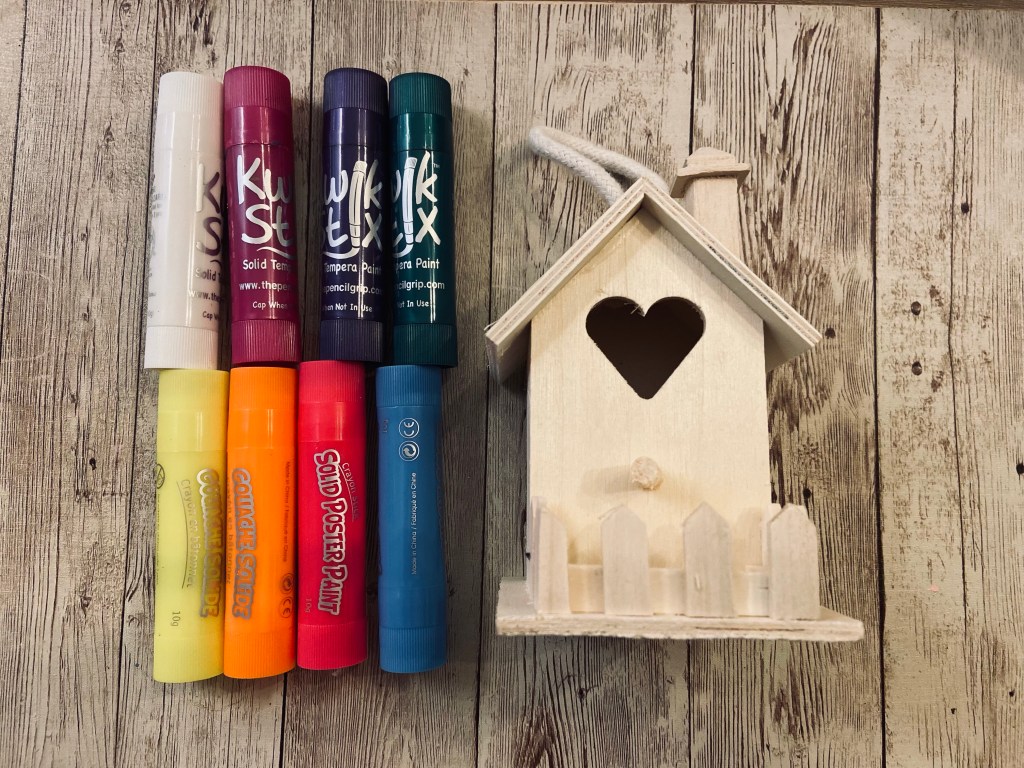
For younger children we recommend washable paint or paint sticks. Remember, process over product!

Instructions

  1. Paint your birdhouse and then allow to dry. Remember, process over product!
  2. If sealing with mod podge do so once paint has dried. Then allow mod podge to dry.
  3. Enjoy your beautiful birdhouse by hanging it outside, or keeping it inside for dramatic play.

Adaptations

  • Glue beads, dried flowers, gems or rocks to your house.
  • Create a house based on your interests… maybe a haunted house. Use your imagination!

Skills

  • Creative
  • Colour recognition
  • Fine motor
  • Socioemotional when working together
This birdhouse is ready to be painted.
Read

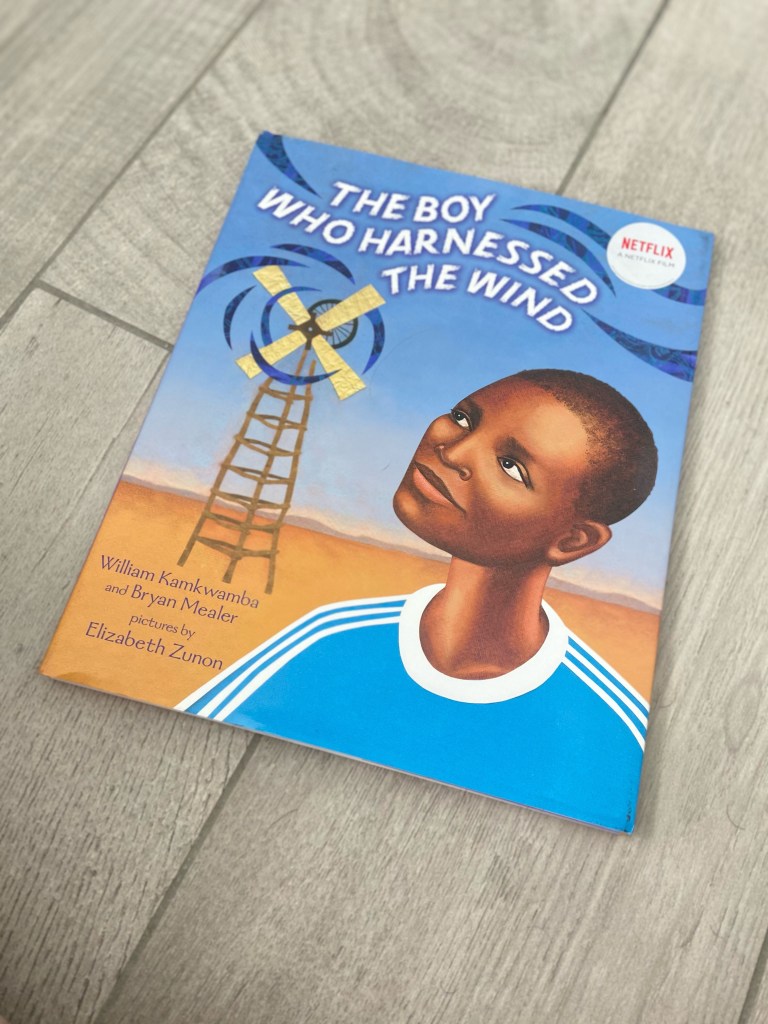
The Boy Who Harnessed the Wind

The Boy Who Harnessed The Wind

The remarkable true story of William Kamkwamba. William was a 14 year old boy living in the village of Malawi when his village experienced a devastating drought.

Unfortunately, Williams parents could no longer afford his school tuition and he was unable to continue attending school.

William refused to give up on education and attended the library daily to read books. Through dedication and reading he educated himself on electricity.

William persevered through the challenges presented and built a windmill out of scraps. He brought electricity to his family home.

  • Written by the incredible William Kamkwamba and best selling author Bryan Mealer.
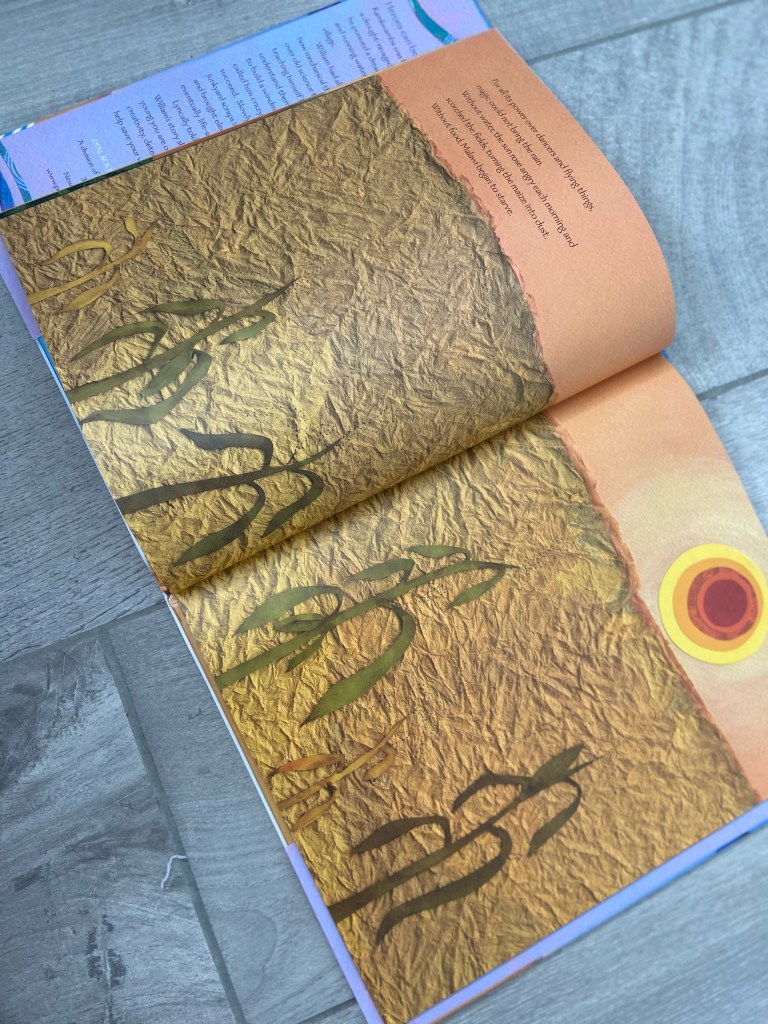
  • Illustrated by the very talented Elizabeth Zunan. Elizabeth has described her work as being largely influenced by the people, places, and things from her childhood in the Ivory Coast as the product of two cultures.
  • Brings awareness to poverty, hunger and access to education in an age appropriate manner.
  • Inspires us to recognize the challenges that surround us and ignites the desire to improve our circumstances.
  • Empowers us to have the confidence to make a difference, even young people can make a big difference in the world.
  • Encourages curiosity and inspires us to learn something new.
  • Inspires us to persevere through challenges.
  • We love that this book inspires young minds to be creative and encourages self-empowerment.

Skills

  • Perseverance
  • Resilience
  • Imagination
  • Empathy
  • Caring
  • Self-empowerment
  • Entrepreneurship
  • Helping your community
  • Value of education

The beautiful illustrations captivate the children’s attention and interest.
create

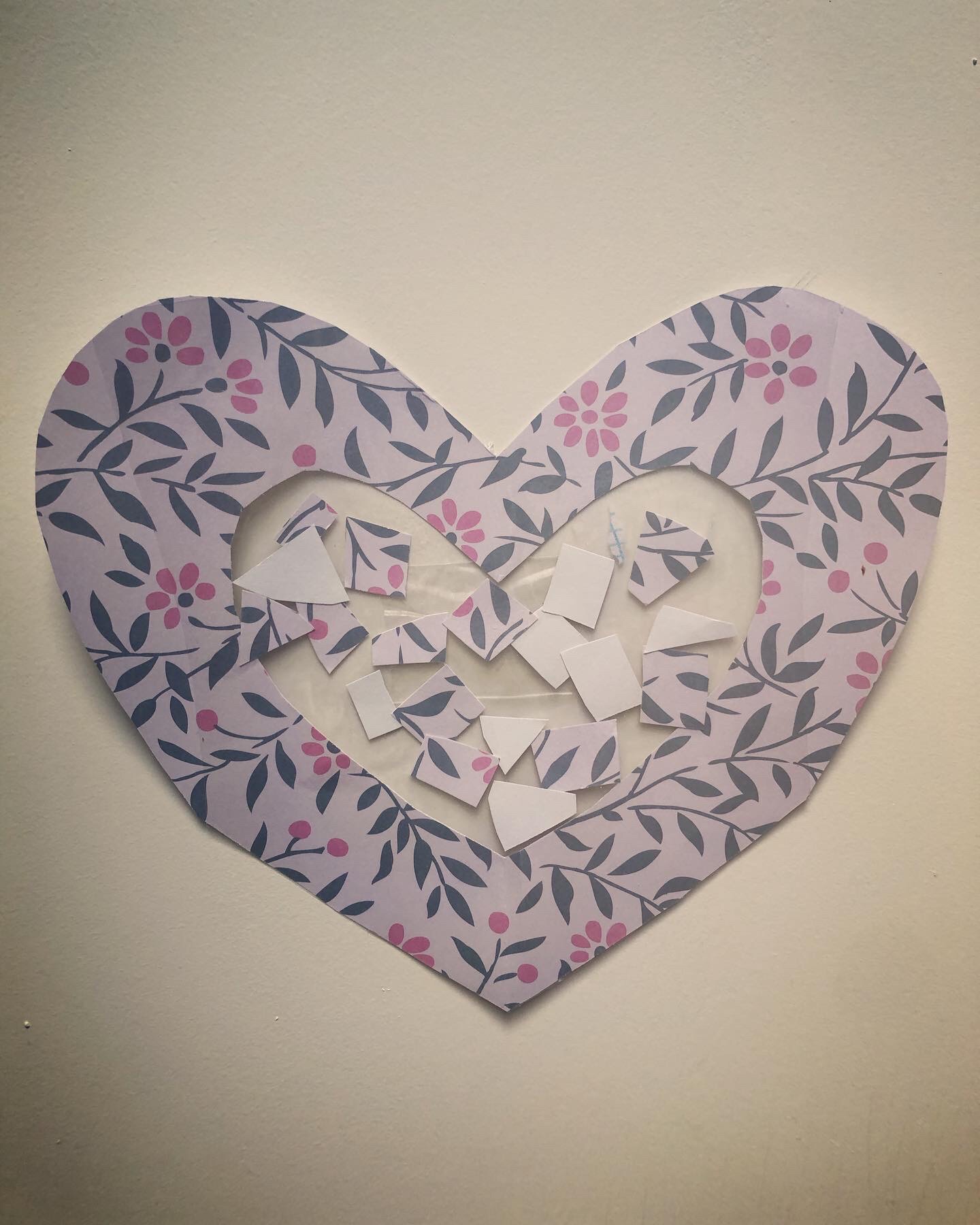
Contact Paper Heart

Contact Paper Heart

Supplies

  • Card stock
  • Contact paper
  • Optional: glitter, magazine pictures, gems, tissue paper, etc.
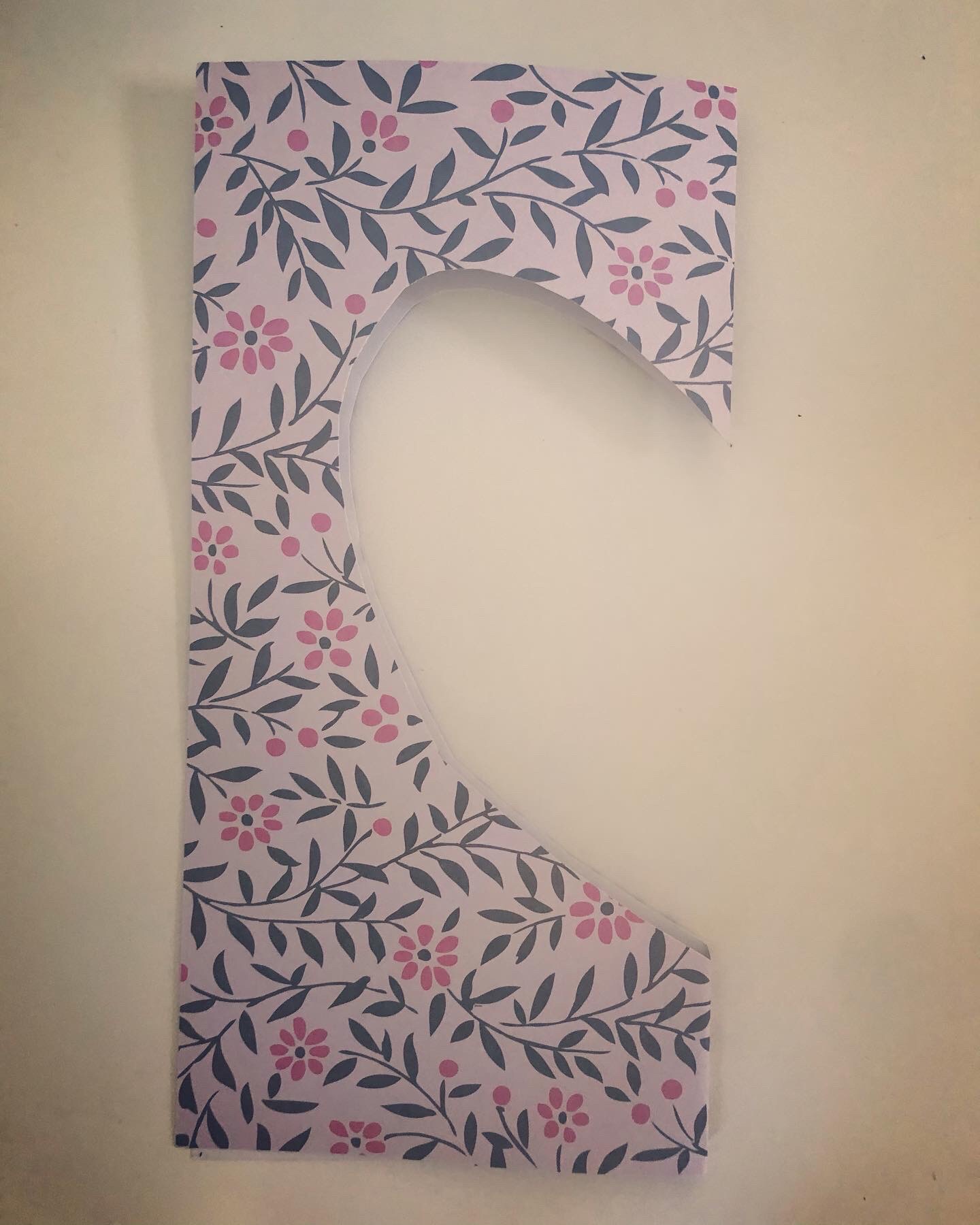
Contact paper folded in half. We cut out half a heart.

Instructions

  1. Fold card stock in half and cut out half a heart. When you unfold the paper it will be a full heart.
  2. Fold the heart in half and cut out half a heart. When you unfold the heart there will be a full heart shape that is cut out.
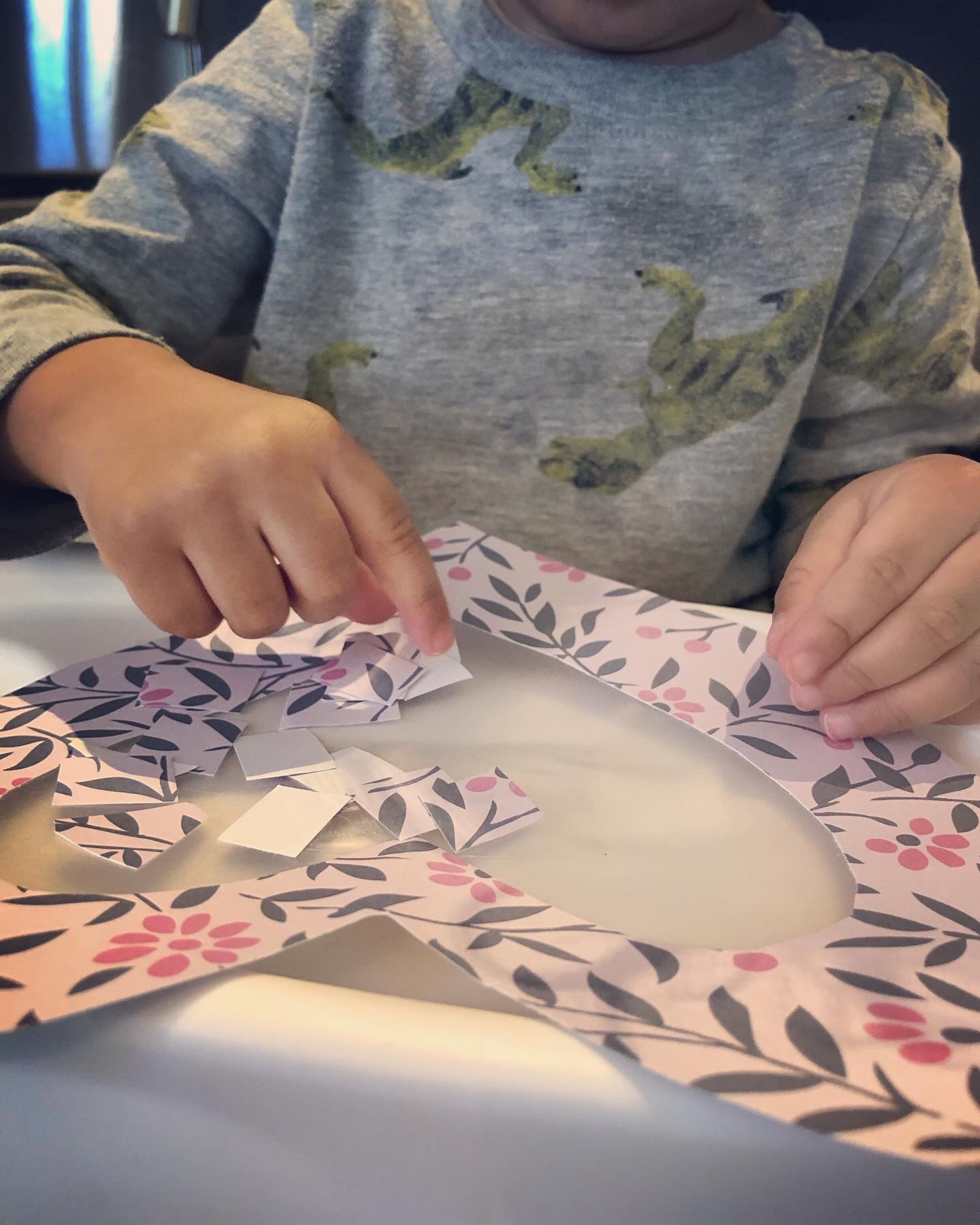
  3. Stick a piece of contact paper behind the heart.
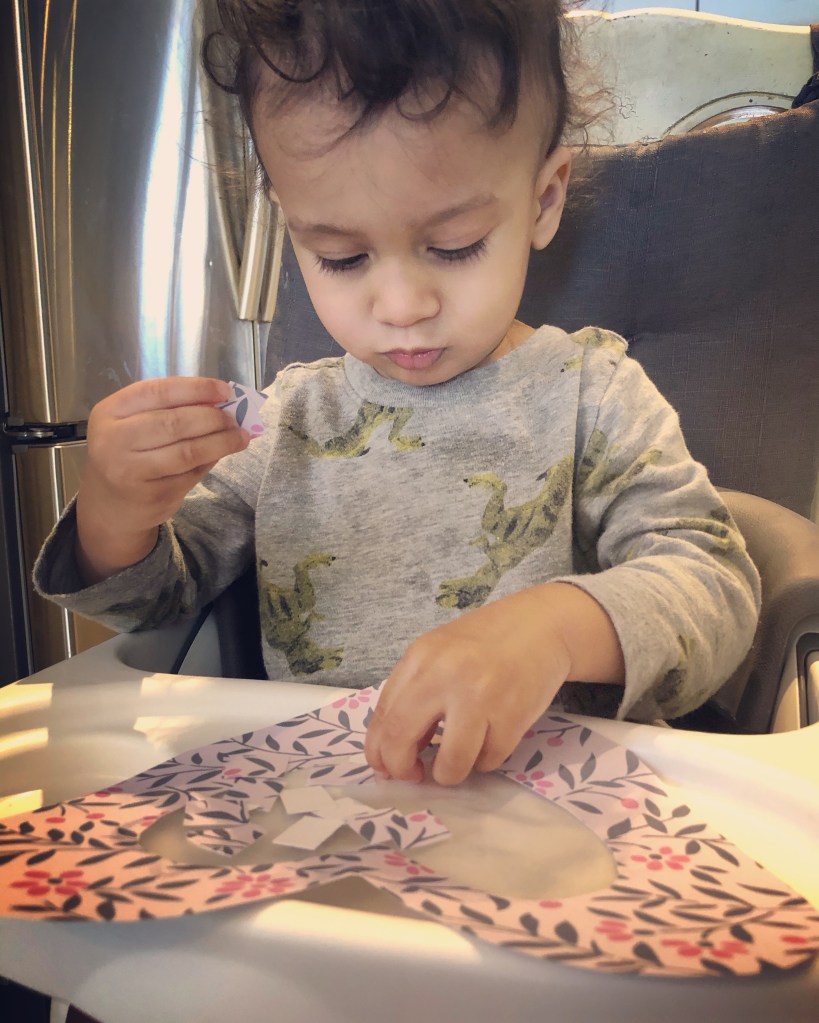
  4. Cut or tear pieces of the card stock. These pieces will be stuck onto the contact paper.
  5. Seal the artwork by placing a piece of contact paper on top of the design.
  6. Reminder, process over product is what’s important!
Tiny fingers are developing fine motor skills while having fun.

Notes:

  • This activity was the perfect activity for a toddler. However, older kids will enjoy this activity as well.
  • You can use anything you choose to stick onto the contact paper. For example, glitter, magazine pictures, gems, tissue paper, etc.
The perfect valentines activity for toddlers and older children!

Skills

  • Fine motor
  • Creative
  • Concentration and focus
Concentration, focus and fun!
Academics

Borax Crystal Heart

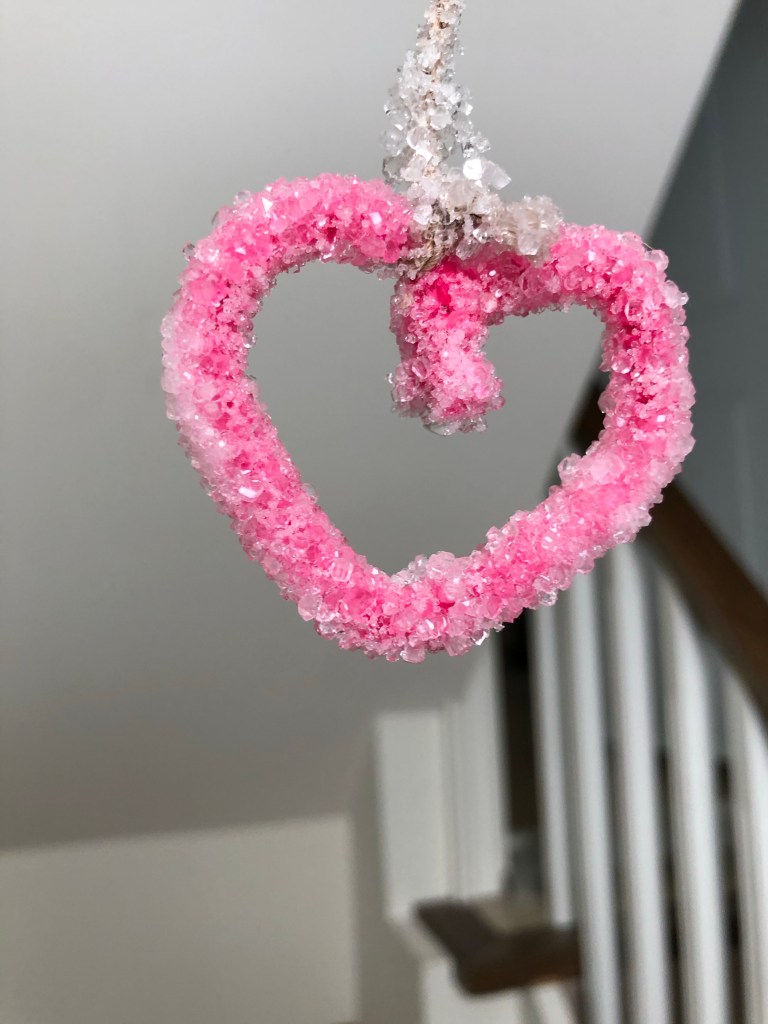
Borax Crystal heart

Supplies

  • 1/2 cup Borax powder
  • 4 cups water
  • Pipe cleaner
  • String (or twine, yarn)
  • Jar (must be heat safe)
  • Pencil
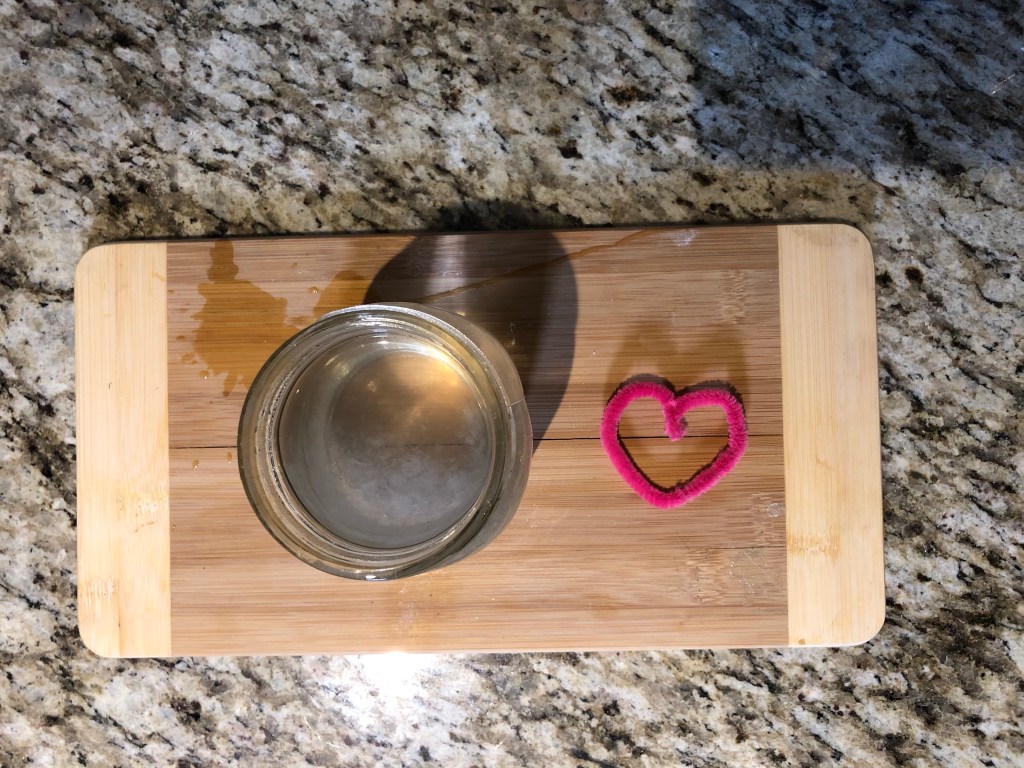
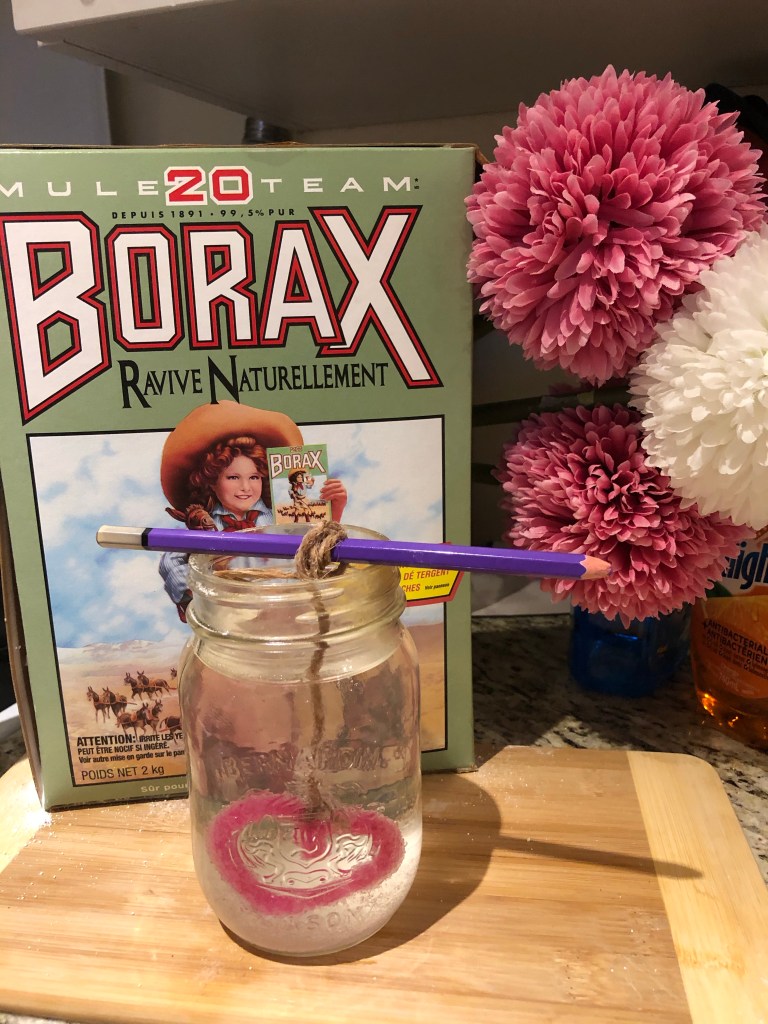
Form a heart with a pipe clean

Skills

  1. Shape pipe cleaner into a heart.
  2. Loop one end of string around pipe cleaner and secure with knot. Wrap the other end of string around pencil and secure with a knot. Set aside.
  3. Bring water to a boil on stovetop.
  4. Add borax to water. Stir until Borax is completely dissolved.
  5. Transfer mixture into jar. Be careful it’s hot!!
  6. Place pencil across the jar and ensure that pipe cleaner is submerged in the liquid.
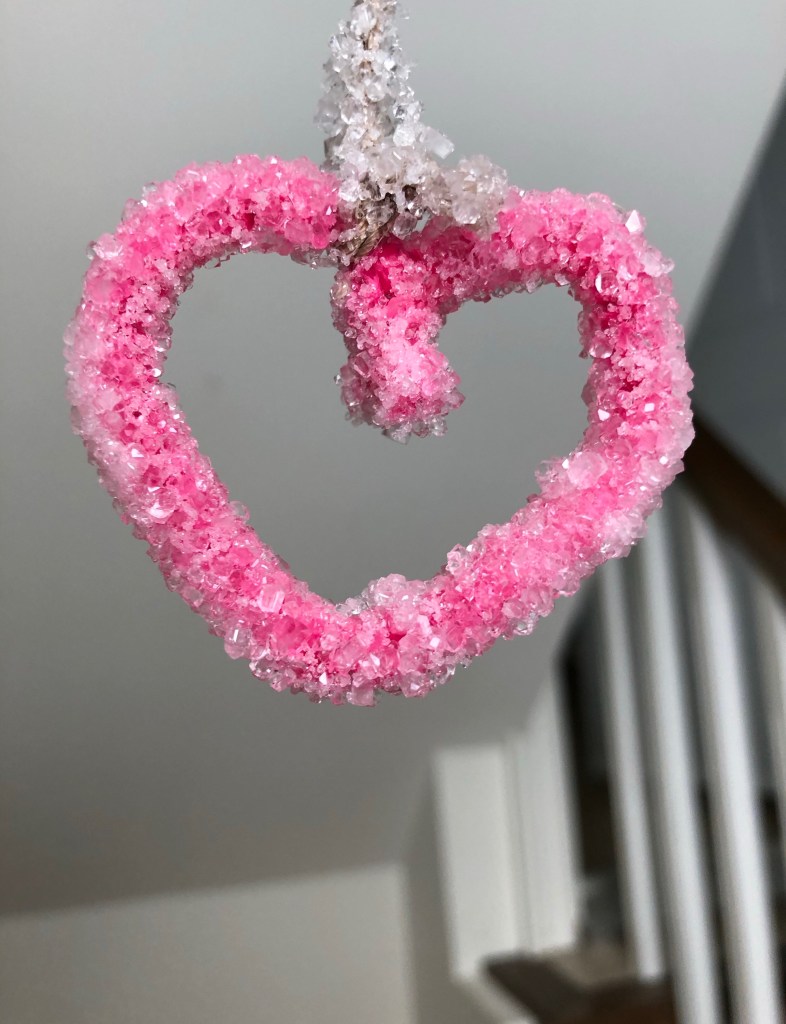
  7. Observe your experiment over the next 24 hours and watch your crystals grow.
  8. Crystal heart can be made into an ornament and displayed.
Pipe cleaner heart submerged in Borax mixture.

Adaptations

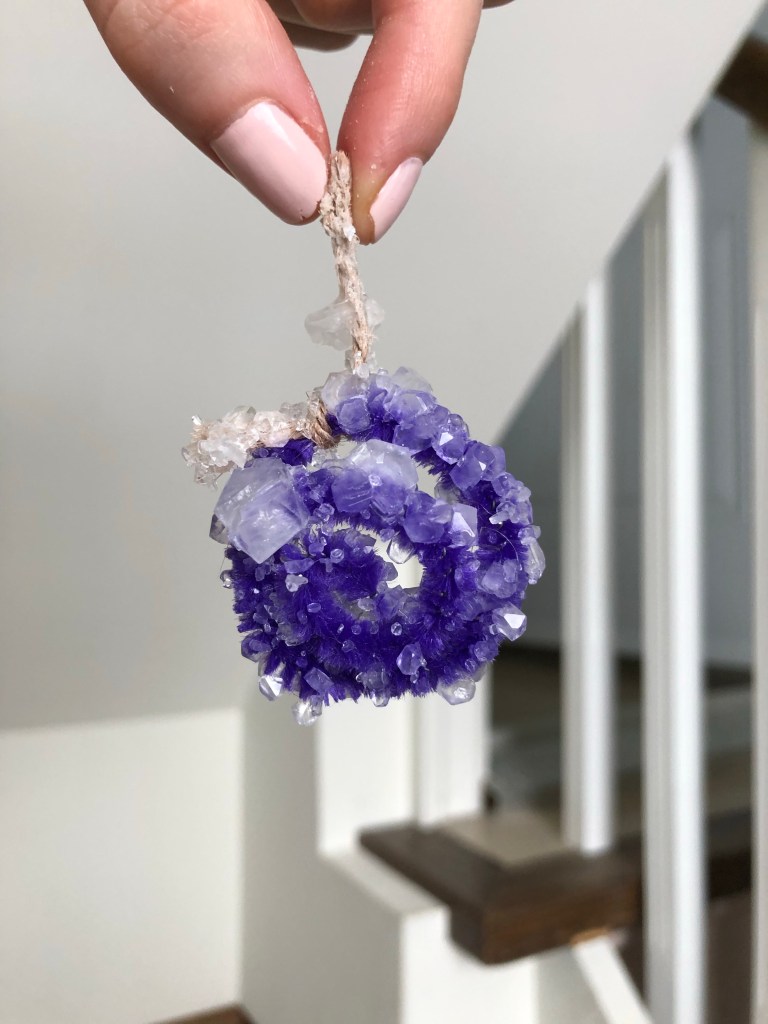
  • We experimented with different designs and shapes to observe how they would turn out.
We experimented with different shapes!

Skills

  • Science
  • Math – measurement
Borax Crystal heart
Play

Sparkle Slime

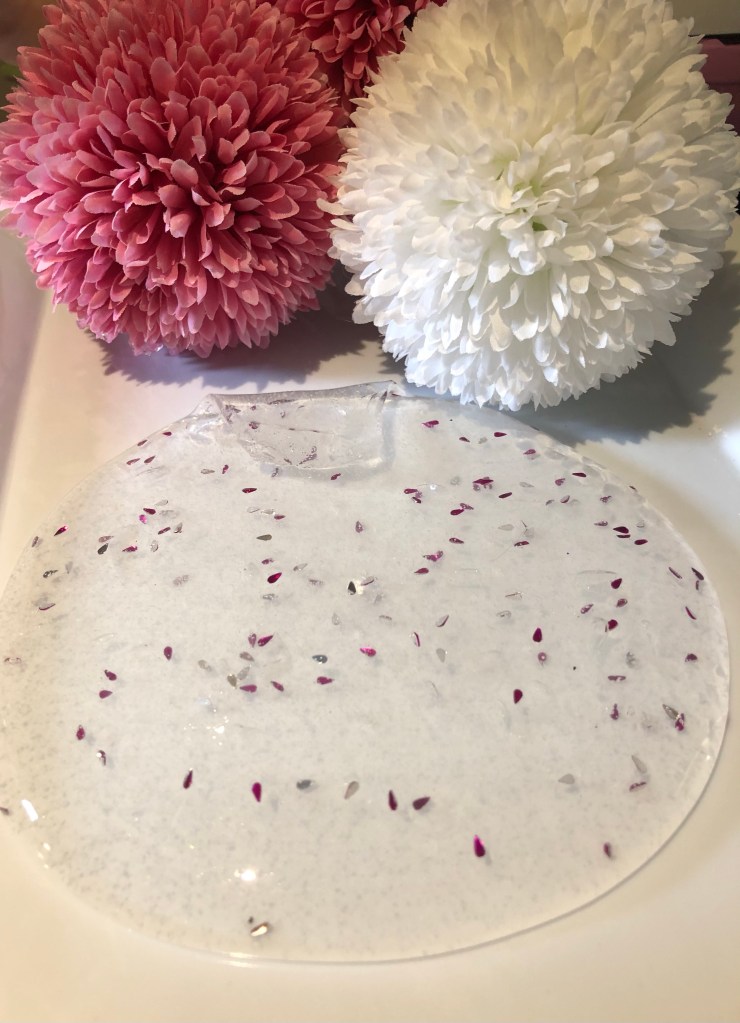
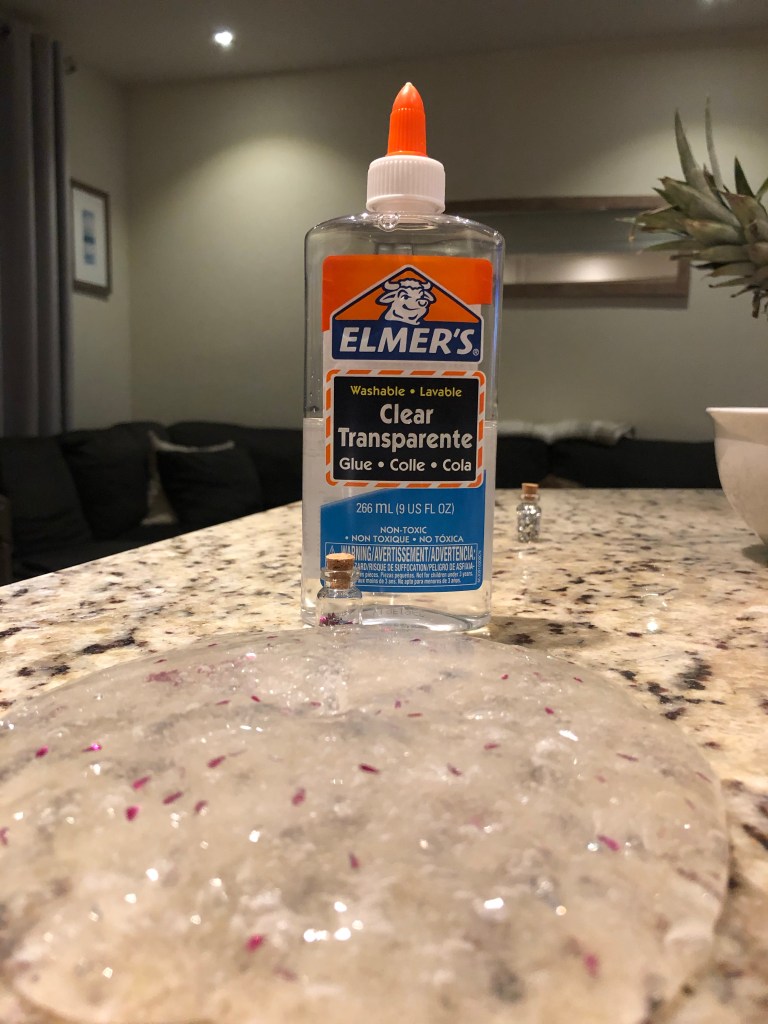
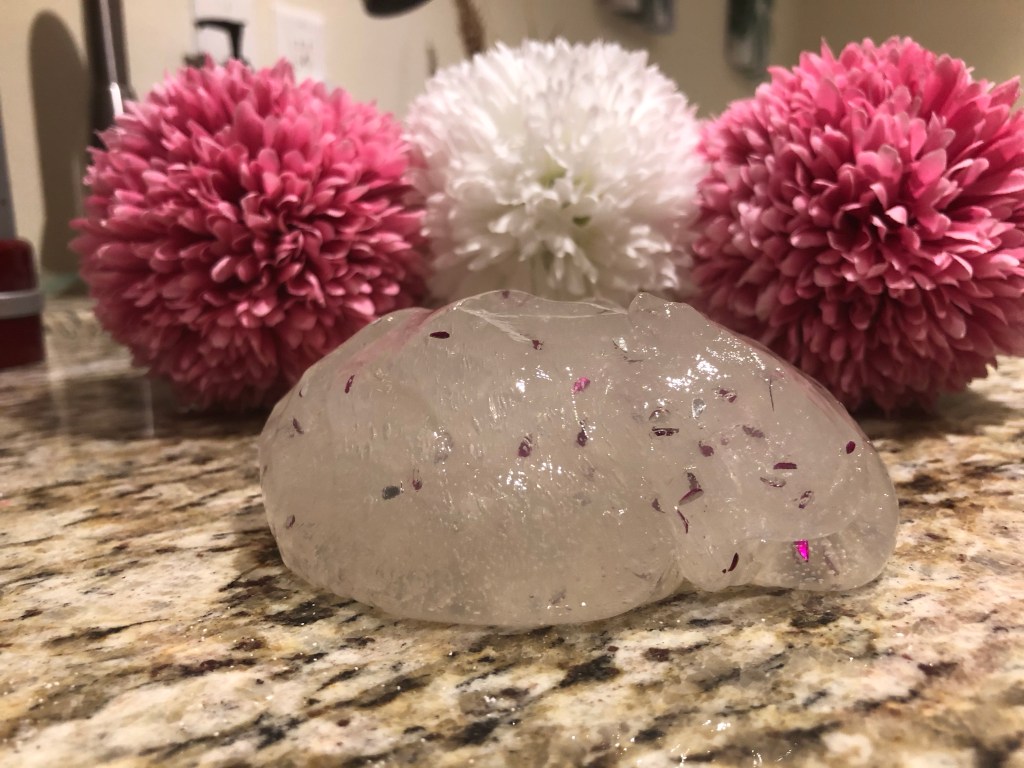
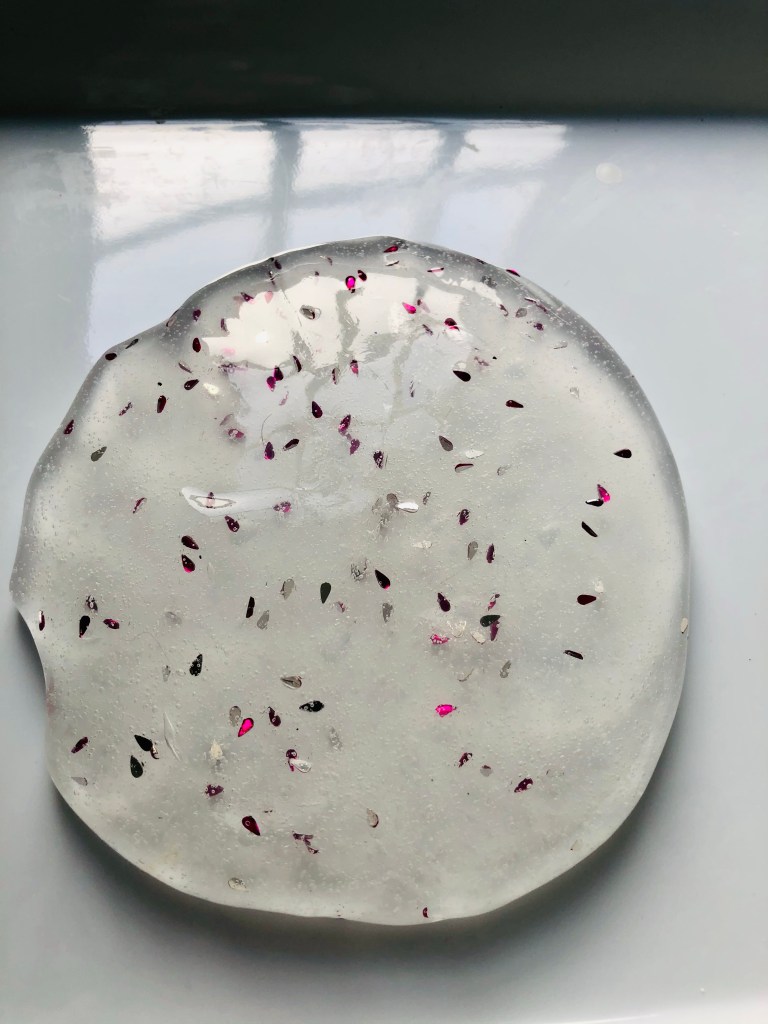
We used pink rhinestones for our sparkle slime.

Supplies

  • 1/4 tsp Borax Powder
  • 1/2 cup clear glue
  • 1 cup warm water (divided into half cups)
  • 2 bowls
  • Optional: glitter or rhinestones
We love using Elmer’s glue to make our slime.

Instructions

  1. Combine borax and half a cup of warm water in a bowl. Stir until the borax is completely dissolved.
  2. Combine glue and half a cup of warm water in the second bowl. Stir until well mixed.
  3. Pour borax mixture into the glue mixture and stir. You will see the slime start to form. Add glitter or rhinestones.
  4. Remove slime from bowl and begin to knead. Continue to knead until you are happy with your slime. Have fun 🙂
Add some sparkle to your day with some sparkle slime.

Skills

  • Science
  • Math – measurement
  • Sensory

Sparkle slime