create

Cloud Paint

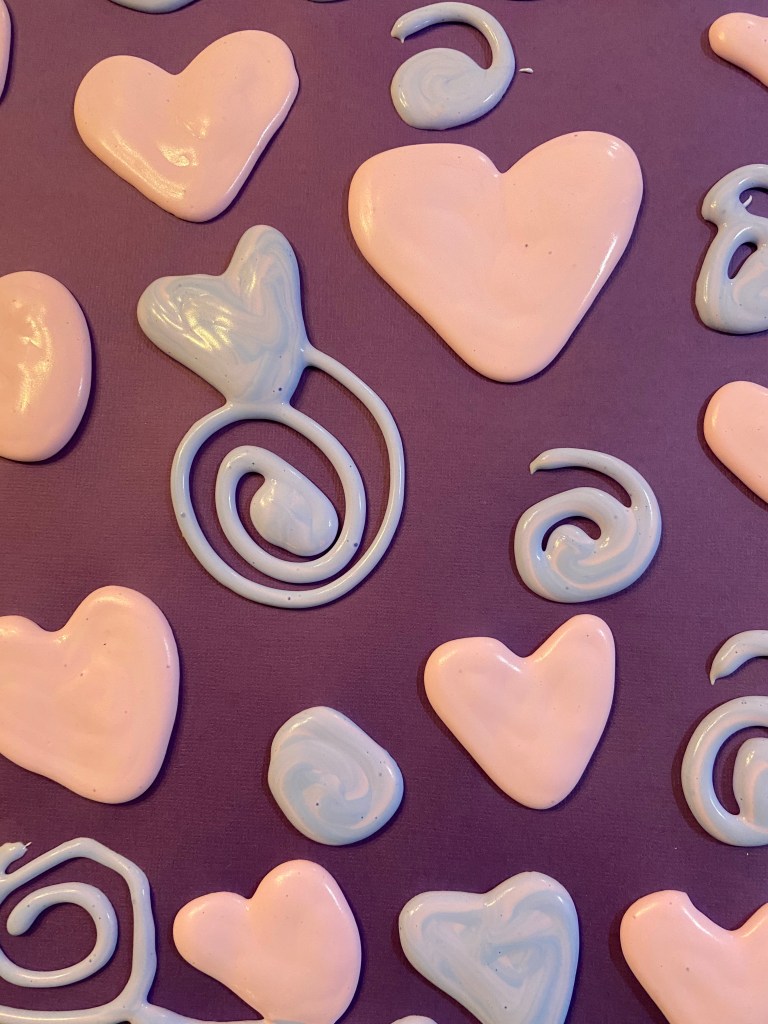
Beautiful cloud paint painting!
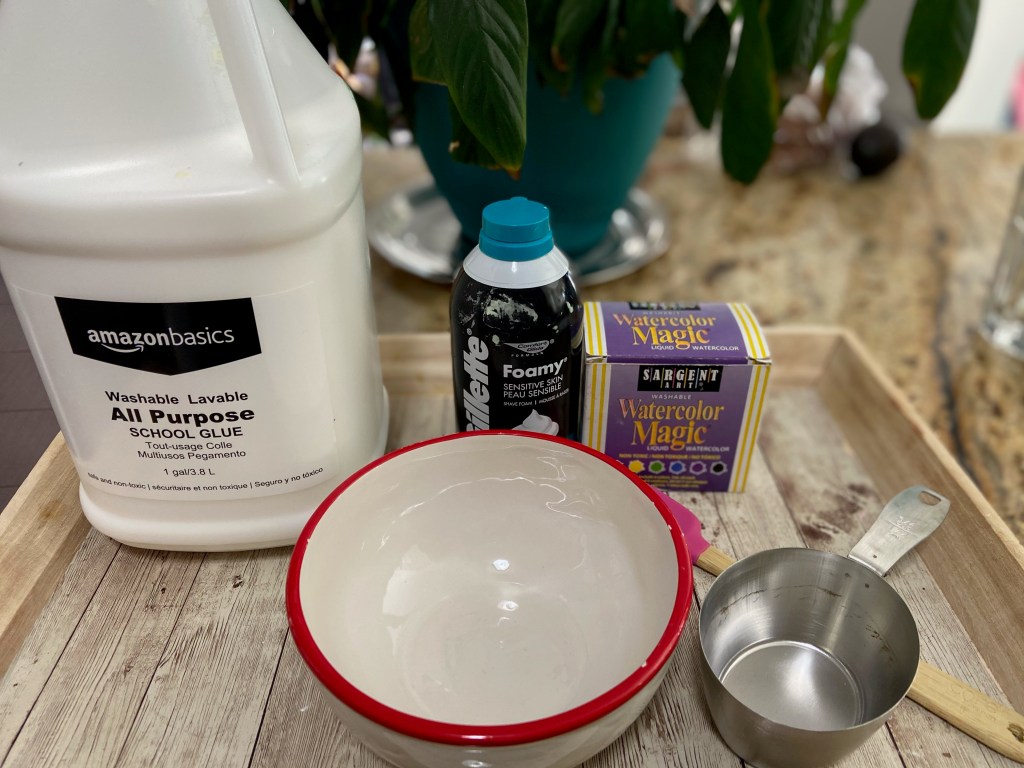
Supplies

  • 1/4 cup white school glue
  • 1/4 cup white shaving cream
  • Bowl
  • Optional: food colouring, paint brush, ziploc bag
Cloud paint is made with white school glue and shaving cream.

Instructions

  1. Combine shaving cream and glue together in a bowl.
  2. Add a couple drops of food colouring, if you chose to do so.
  3. Stir mixture together and you are ready to paint. Be creative and have fun! Remember, process over product!
  4. Set your painting aside and allow for your painting to dry.
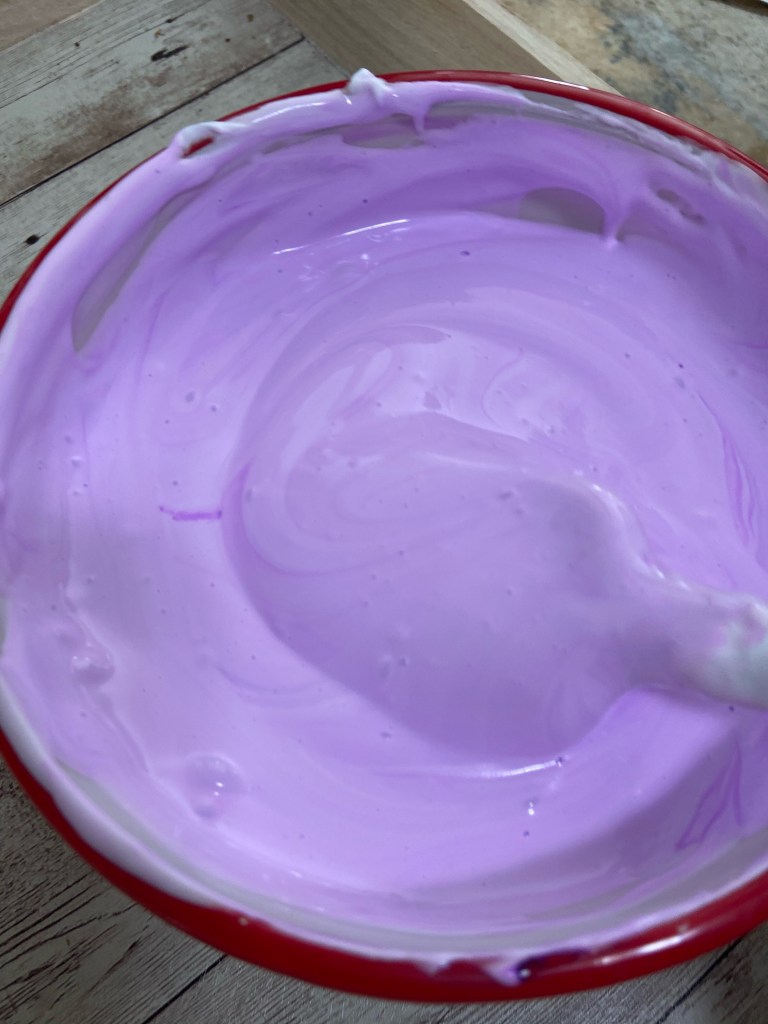
We added purple colouring to our cloud paint.
Notes:
  • This is an easy recipe that children will enjoy making just as much as they will enjoy painting with it.
  • Add glitter to your cloud paint mixture if you would like to add some sparkle.
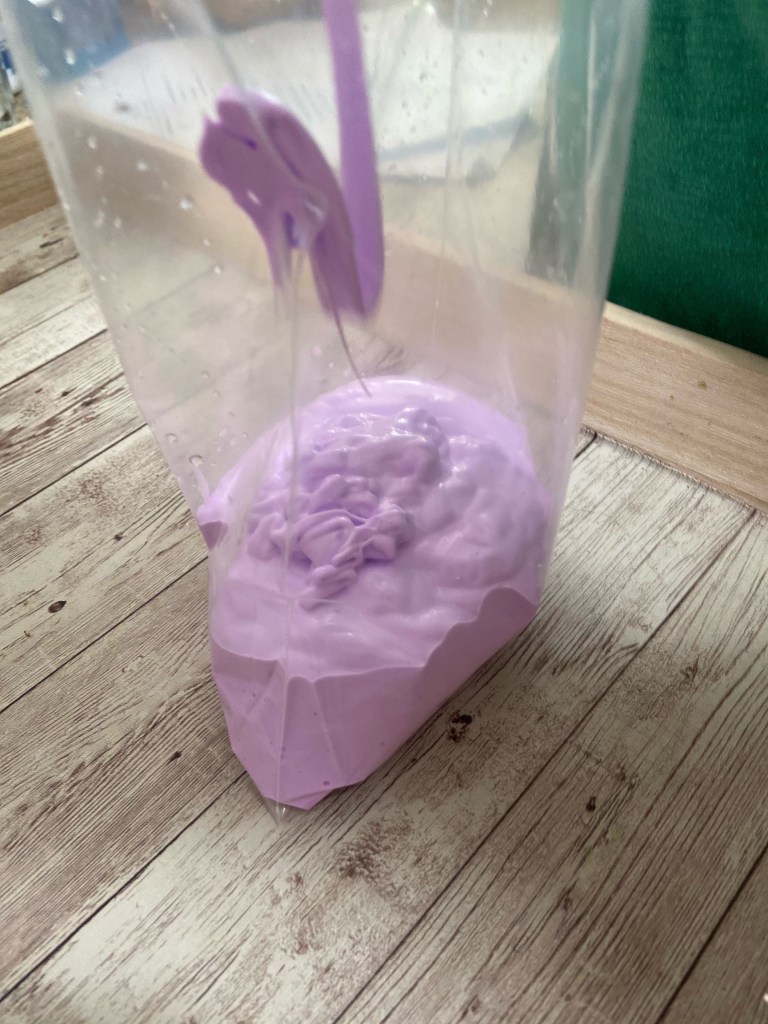
  • Cutting the corner off a ziploc bag and filling the bag with cloud paint is a fun way to change things up. Squeeze the bag to paint just as you would to ice a cake.
  • Unused cloud paint mixture can last a couple of days when stored in a air tight container.
Cloud paint mixed and ready to paint!

Skills

  • Creative
  • Fine motor
  • Science
  • Hand eye coordination
  • Calming
Cloud painting with a ziploc bag is a fun way to paint!
Academics

What’s In Melted Snow?

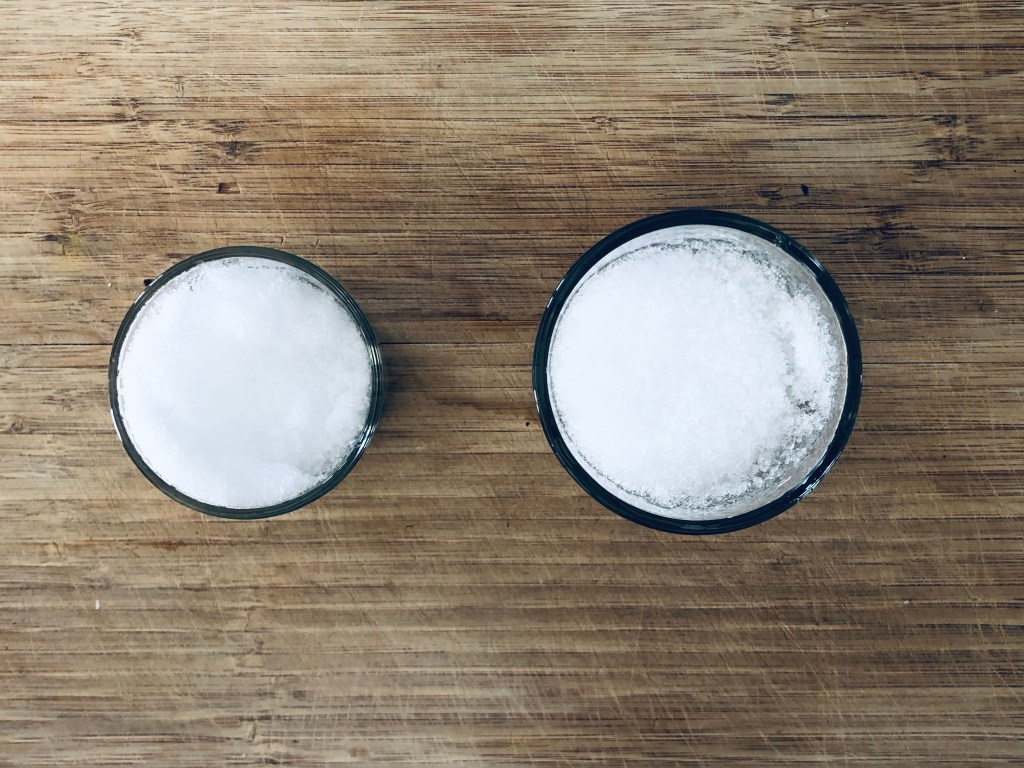
Two glasses of fresh snow!

Supplies

  • Snow
  • A clear bowl or container
  • Optional: white wash cloth, magnifying glass
The snow looks so clean in the jar.

Instructions

  1. Take your child outside and have them fill up a bowl with snow.
  2. Bring the bowl inside and let the snow melt.
  3. Your child can make predictions about what they think will happen to the snow when it is brought into a warmer temperature.
  4. Allow time for your child to notice the debris in the water and discuss the results. Does your child realize that the debris comes from the snow?
  5. This is a great activity to do with your child (or class), especially if you have a child who likes to eat snow!

Note: If you are having difficulty seeing the debris, you can pour the water through a white washcloth. It will catch the debris and make it easier to view.

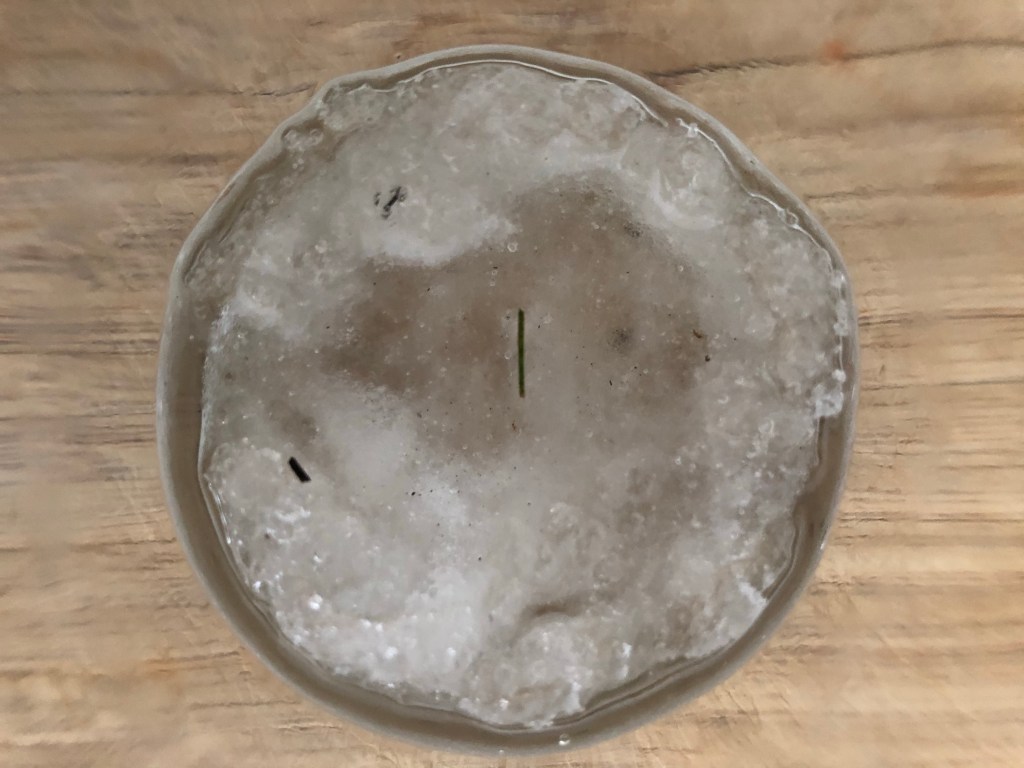
The snow has melted. Wait, what is floating around in the water?

Adaptations/Extension of Play:

  • Allow your child to make predictions on what will happen to the snow when it is brought into a warmer temperature.
  • Collect snow from different areas outside. Do the results change? Is the debris different?
  • You can also take pictures and put them up on the wall for further observation. Or, create a book that looks at the hidden dirt in snow. This allows for further study at home or in class.
There is a lot of debris that was not visable prior to the snow melting!

Skills

  • Science
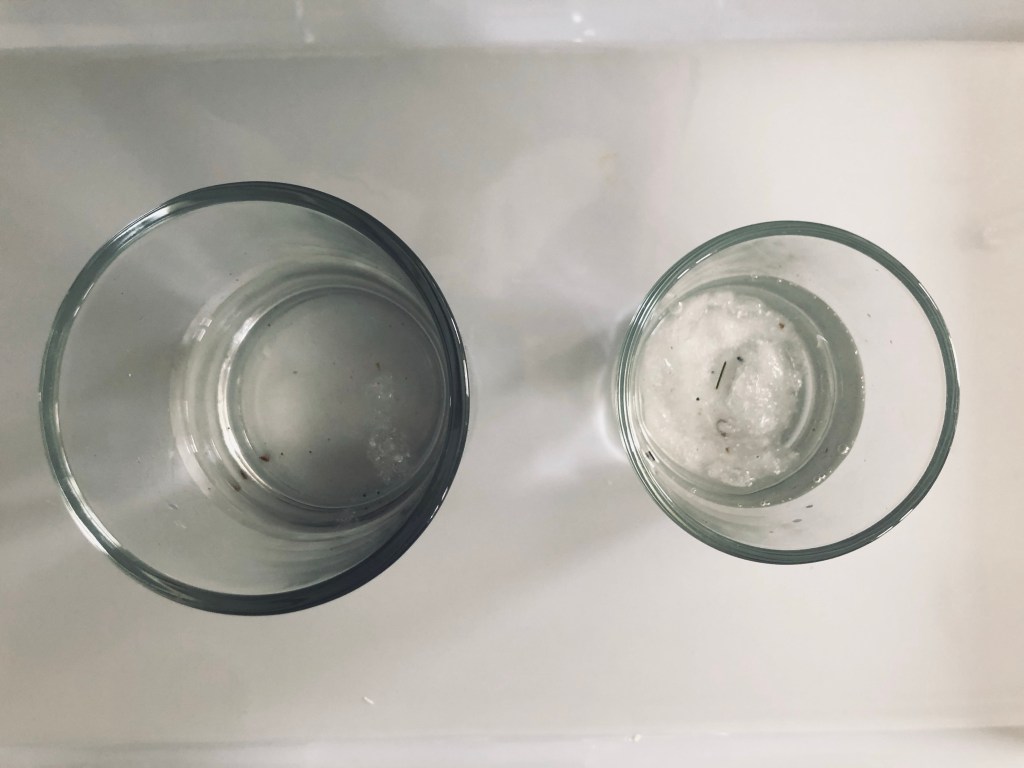
Each glass is filled with snow from a different area outside. One glass has more debris than the other.
Academics

Ice Fishing

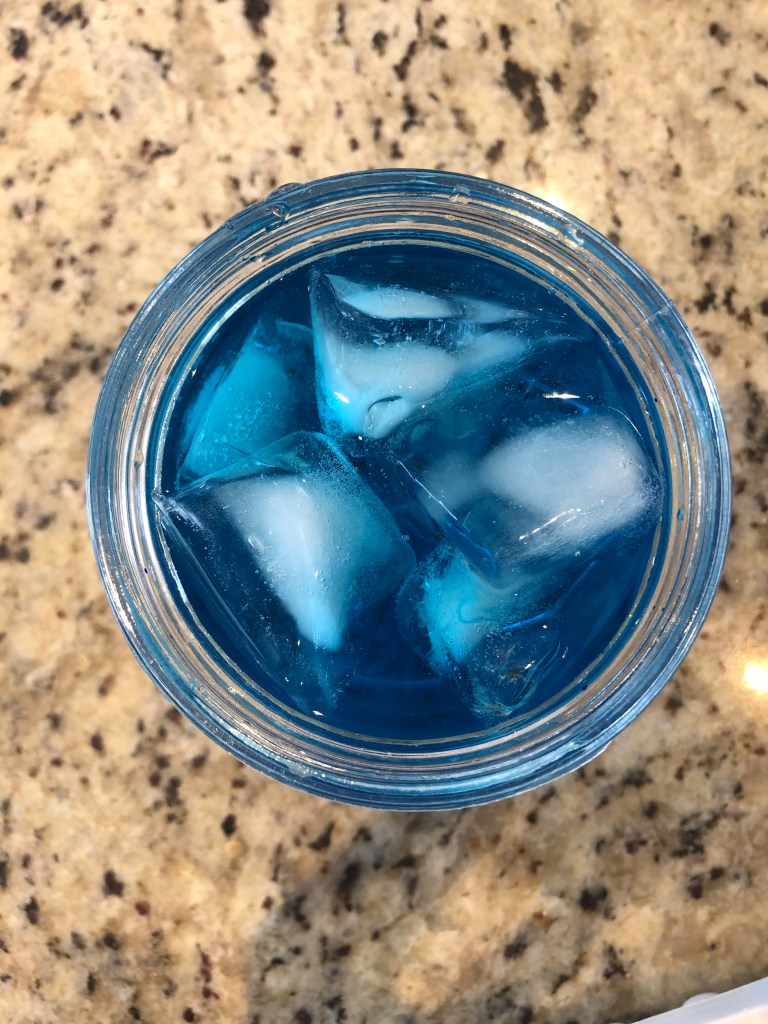
Ice fishing! We caught an ice cube.

Supplies

  • Ice cubes (5 – 10)
  • Cold water
  • Salt
  • String
  • Large jar (cup, container etc)
  • Optional: food colouring
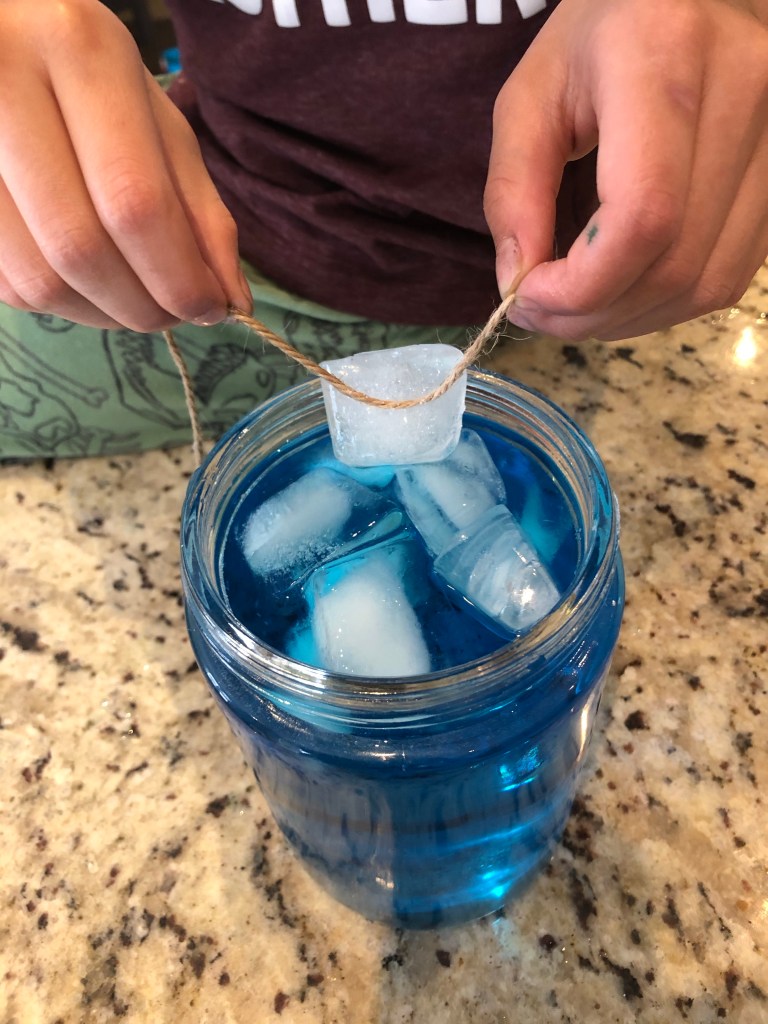
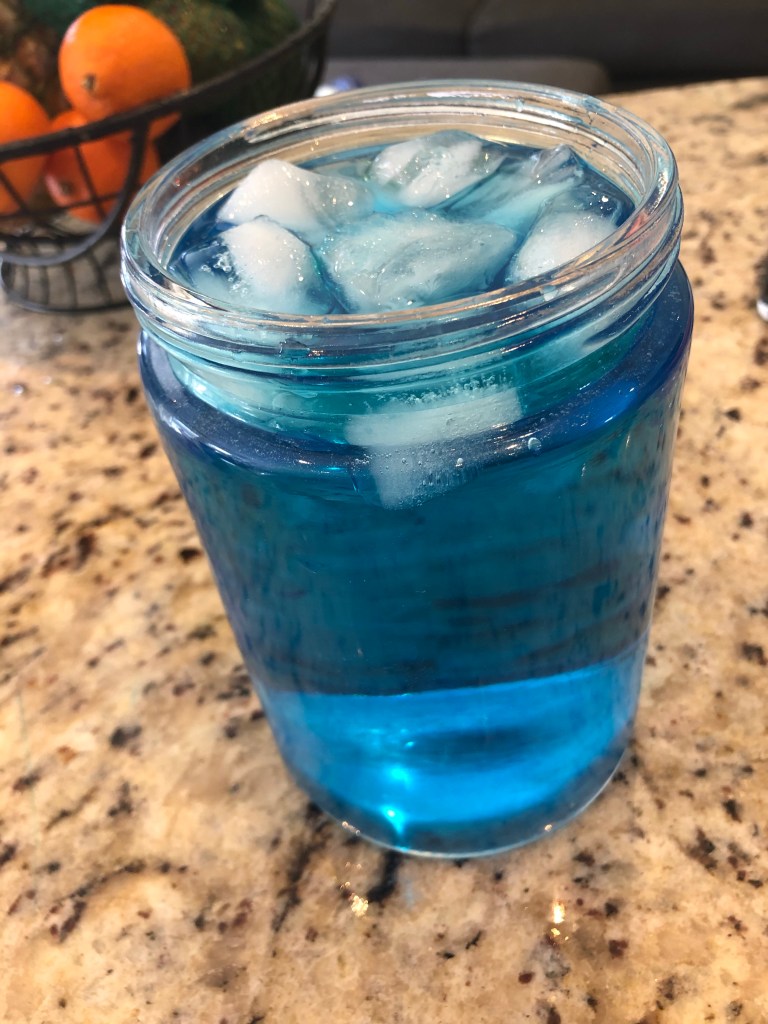
Fill a jar with cold water and a lot of ice.

Instructions

  1. Fill a jar with cold water. Add a few drops of food colouring (if you chose to).
  2. Add ice cubes to the water.
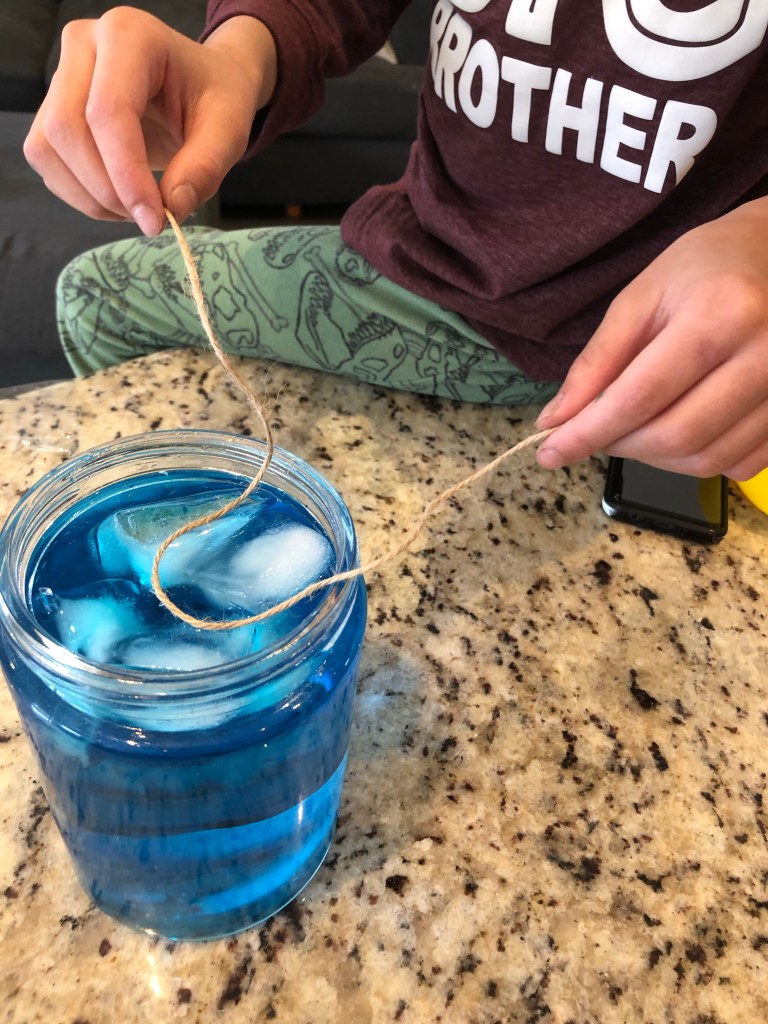
  3. Place string onto the ice cube. Try to pick it up with the string. Hint: this will not work.
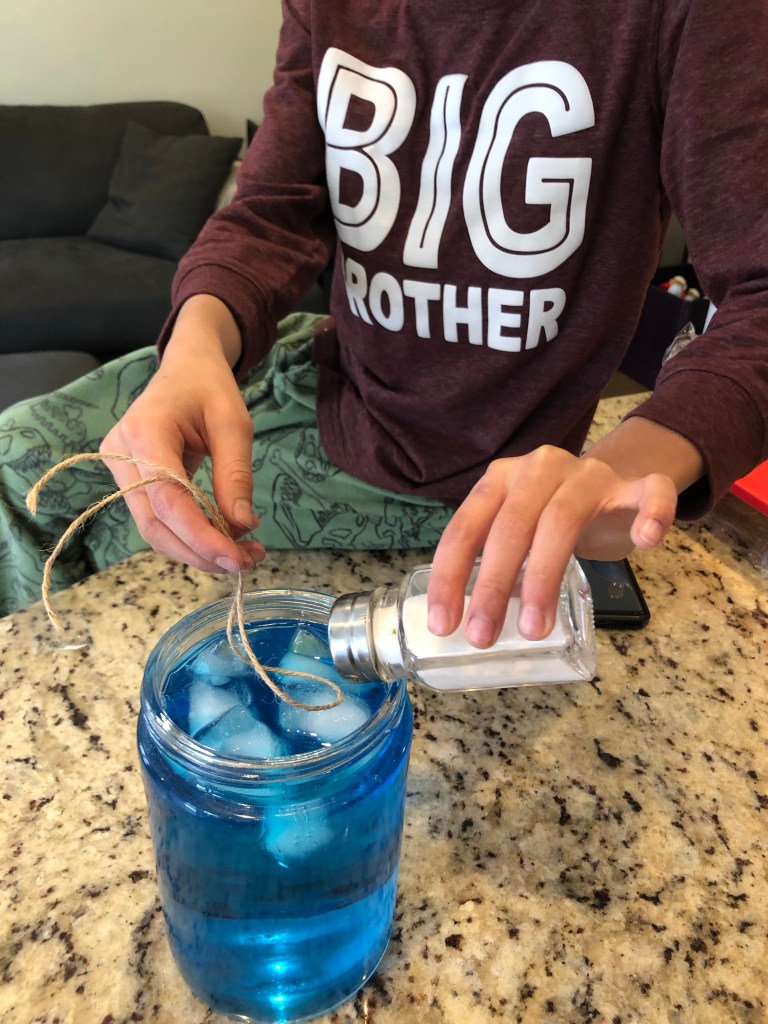
  4. Place string onto the ice cube and sprinkle with salt. Wait a few seconds and try again! Ta da! You have caught yourself an ice cube!
Notes:
  • If you add too much salt or wait too long before trying to pick up the ice cube this may not work.
  • The water should be very cold – a lot of ice cubes help to keep water cold.
  • We found smaller ice cubes worked better for us.
The string will not be able to catch the ice without the salt.

Note: Salt lowers the freezing point and melting point of ice. In this experiment, the ice cube with salt on it is surrounded by freezing temperatures. The freezing temperatures cause the ice cube with salt on it to quickly freeze again – freezing to the string this time.

We are adding a pinch of salt.

Skills

  • Math – measurement
  • Science
  • Cause and effect
Academics

Snow Volcano

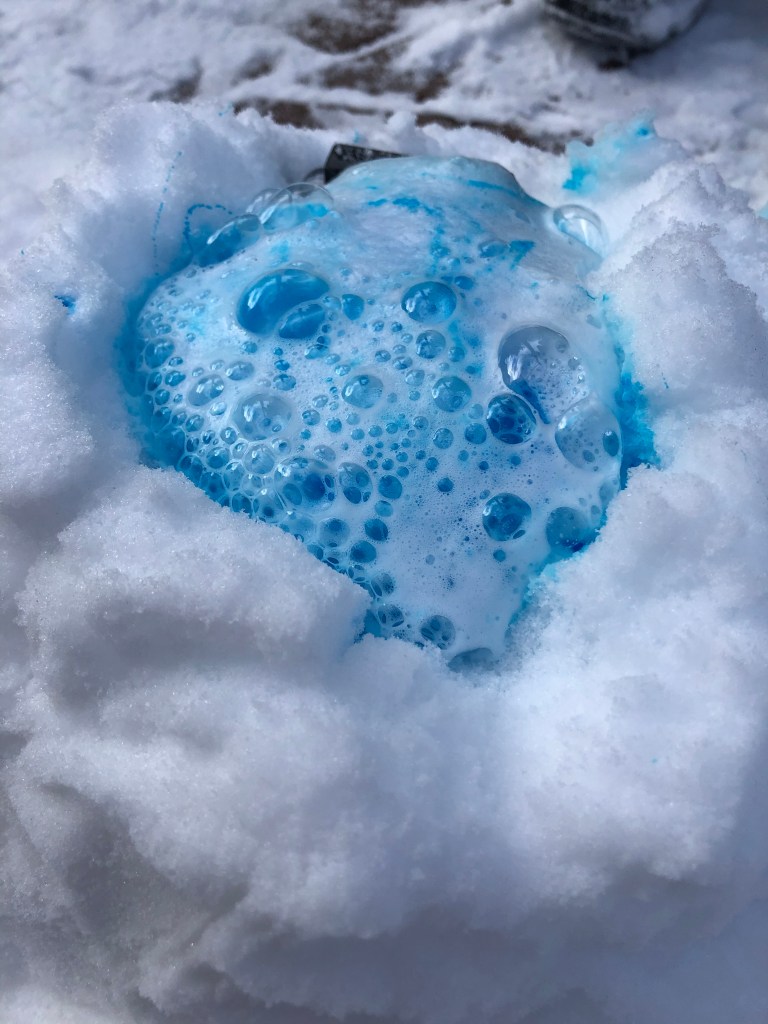
Snow volcano erupting!

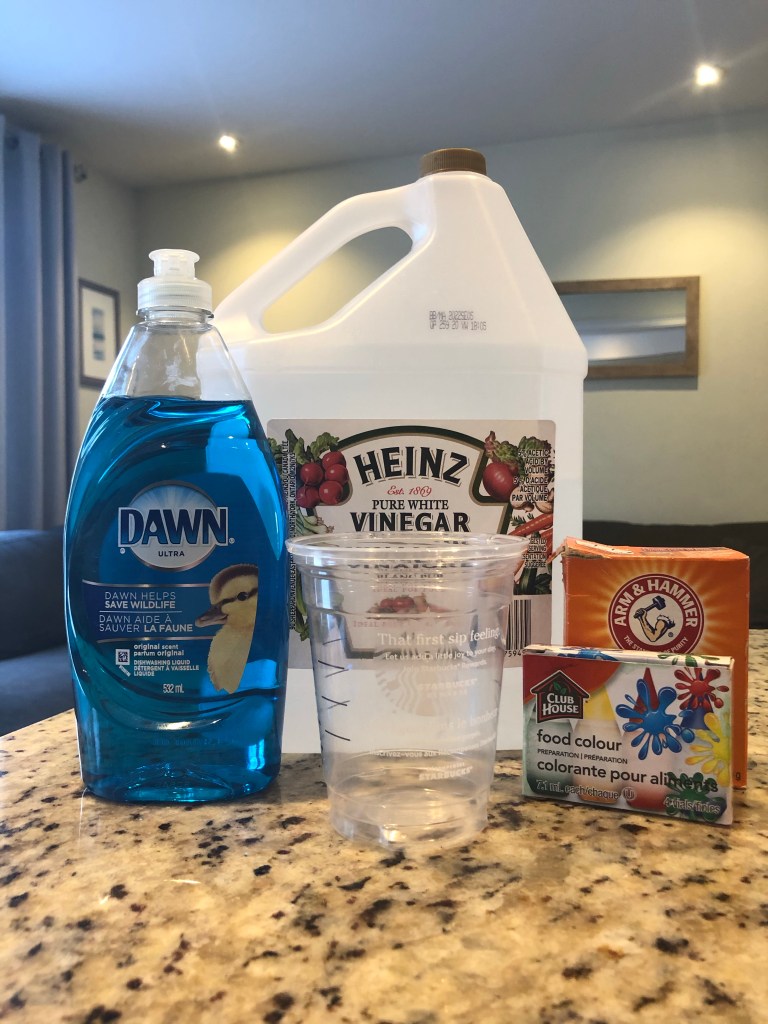
Supplies:

  • 2 tbs baking soda
  • 1 tbs dish soap
  • 1/4 cup vinegar
  • Food colouring
  • Snow
  • Small container
A snow volcano is made with ingredients that many of us already have at home.

Instructions

  1. Place the container on the ground outside in the snow.
  2. Build up the snow surrounding the cup to create a mountain. Snow should be tightly packed.
  3. Add all of the ingredients into the cup, except the vinegar.
  4. Add the vinegar into the cup when you are ready for the eruption.
  5. Enjoy watching your volcano erupt.
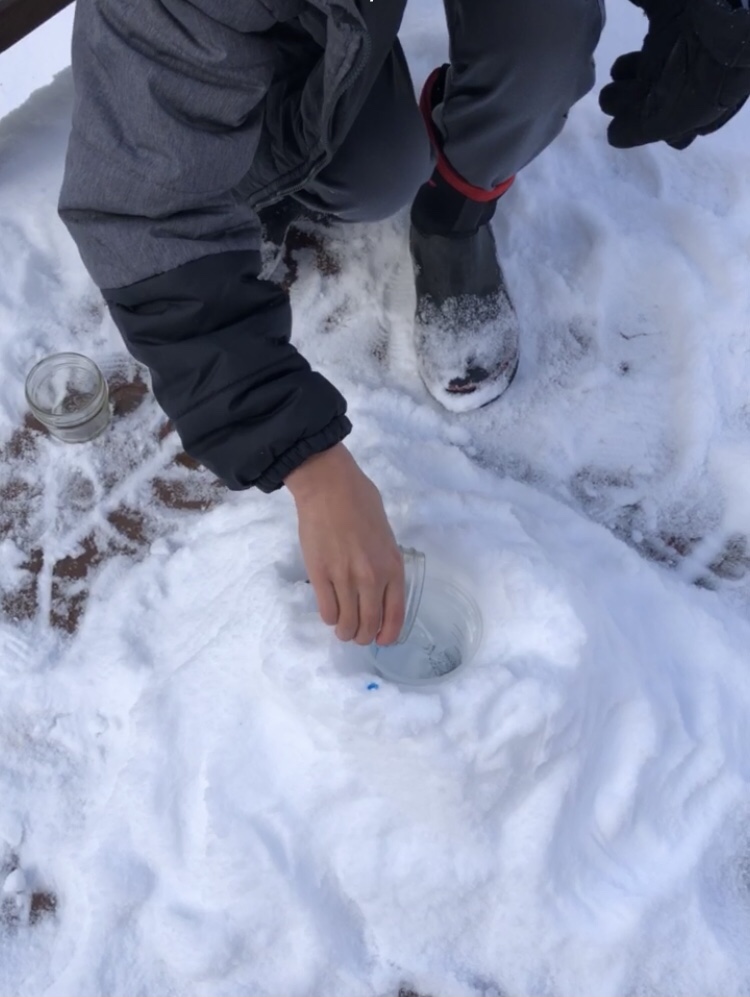
All of the ingredients have been placed in the volcano except for the vinegar.
We are adding the vinegar to watch the volcano erupt.

Skills

  • Science
  • Math – measurement
  • Cause and effect
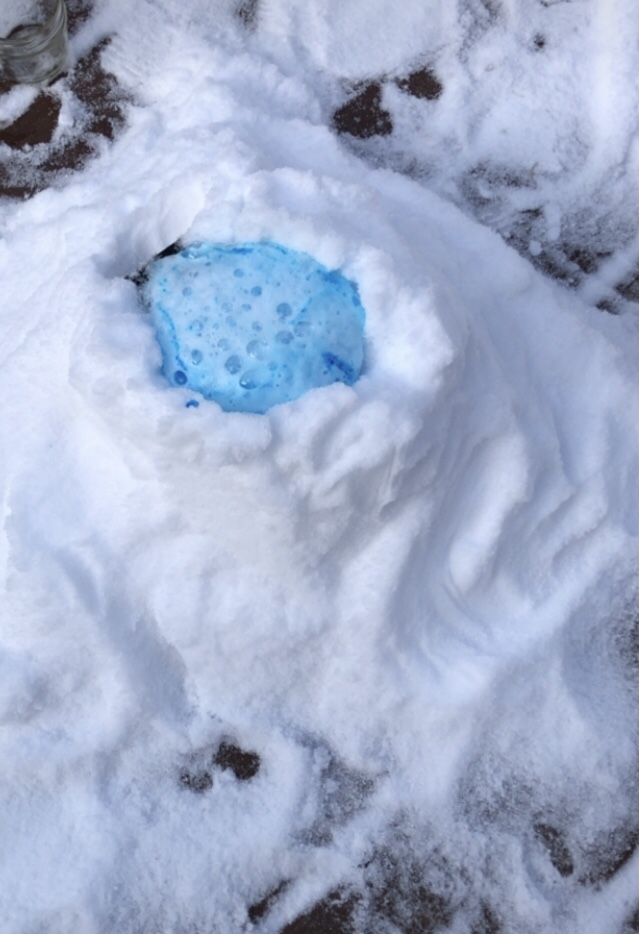
Watching the volcano erupt.
create, Play

Snow Colouring

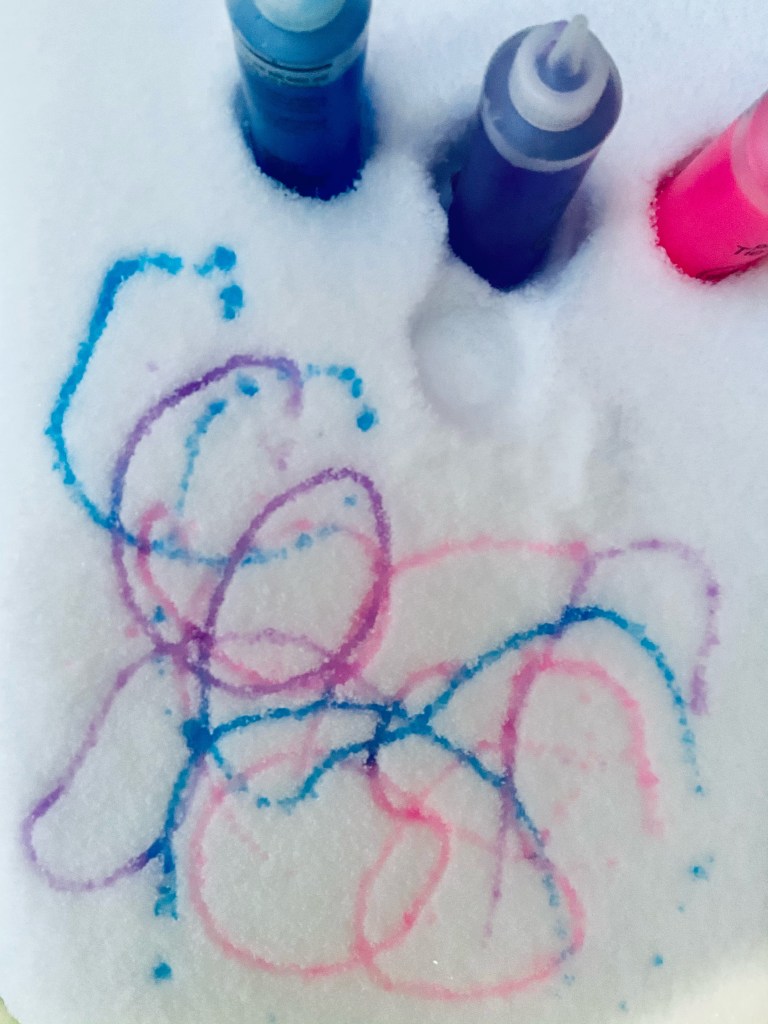
Snow painting is “snow” much fun!

Supplies

  • Empty spray bottles (the Dollar Store usually has nice mini ones)
  • Food colouring or liquid colours
  • Squeeze bottles

Instructions

  1. Fill bottle with water.
  2. Add a few drops of colour.
  3. Shake!
  4. Repeat for as many colours as you would like.
  5. Take your bottle out into the snow and create!
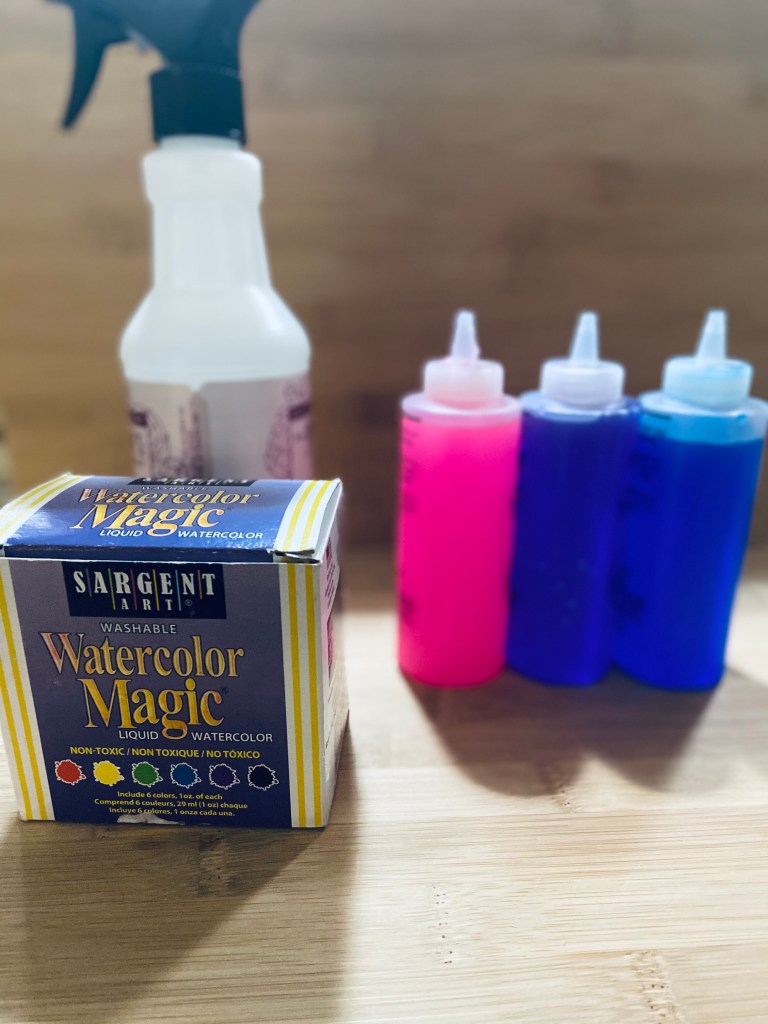
Snow paint is easy to make, with just a few ingredients.

Skills

  • Art
  • Creative
  • Fine motor
  • Science
  • Gross motor
  • Writing
  • Drawing
  • Colour mixing
  • Nature
Beautiful heart painted in snow!
create

Frozen Nature Art

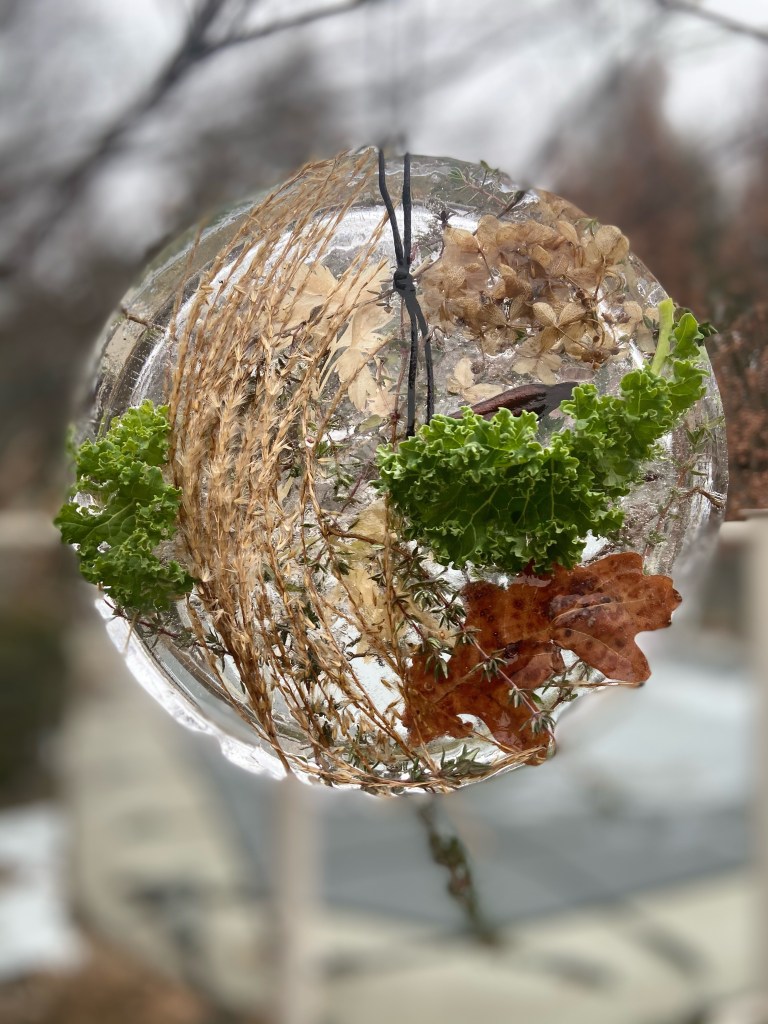
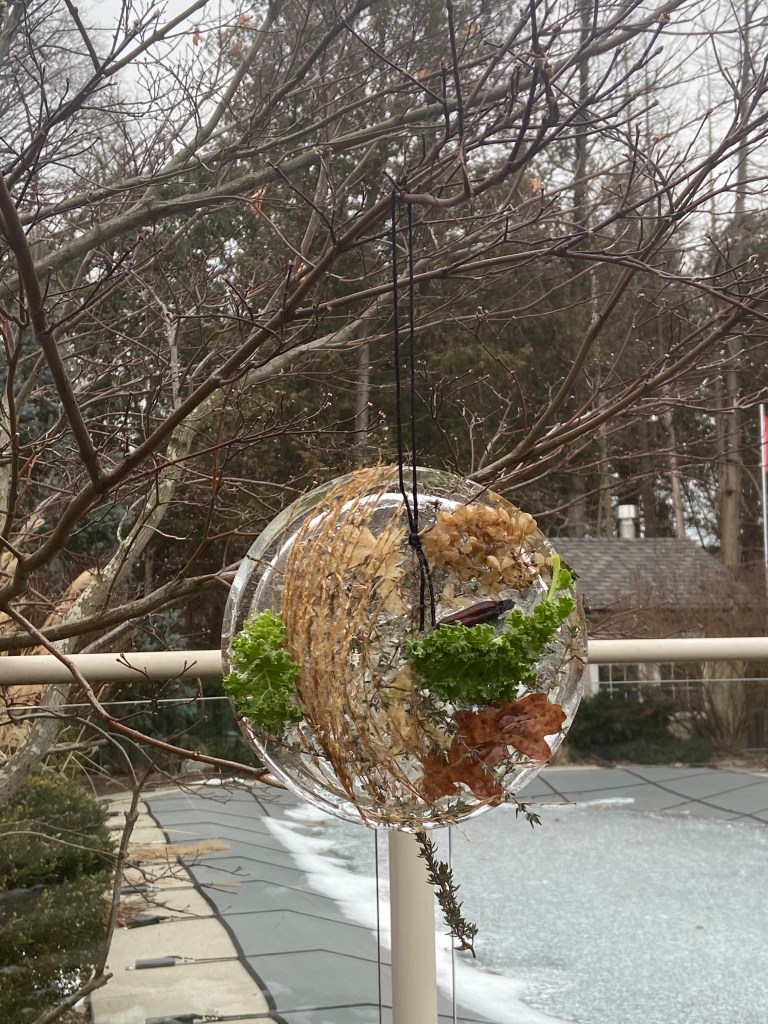
Frozen nature art on display outside.

Supplies

  • Yarn
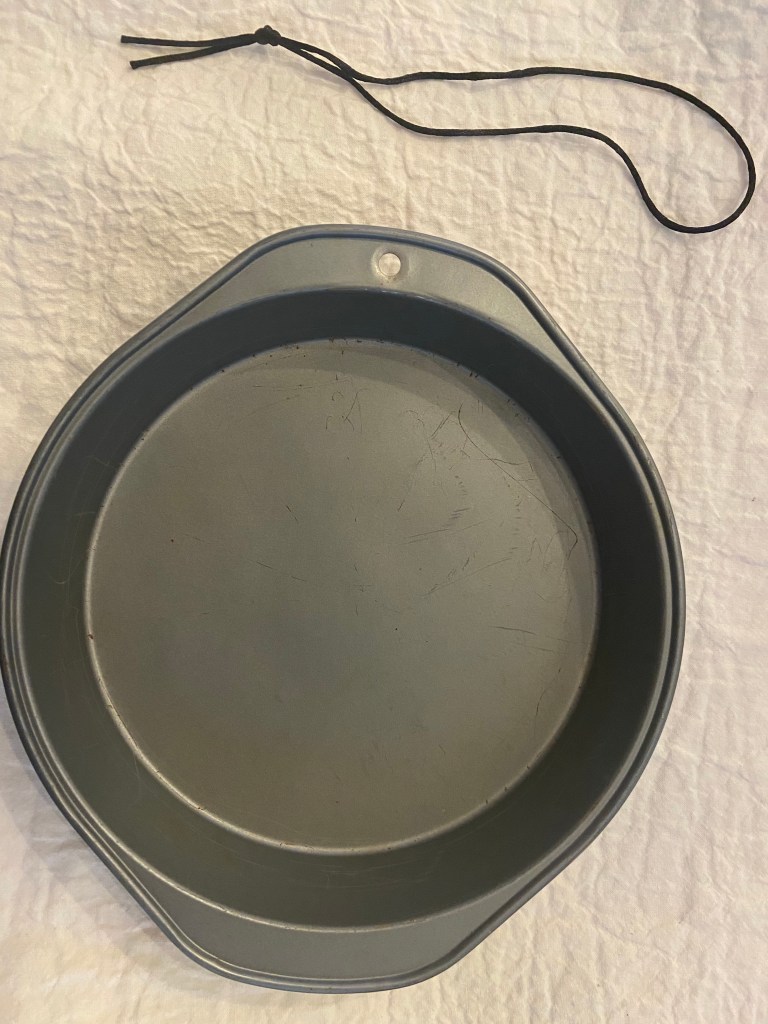
  • Shallow, wide container (cake pans, disposable pie trays and take out containers all work well)
  • Collected nature items
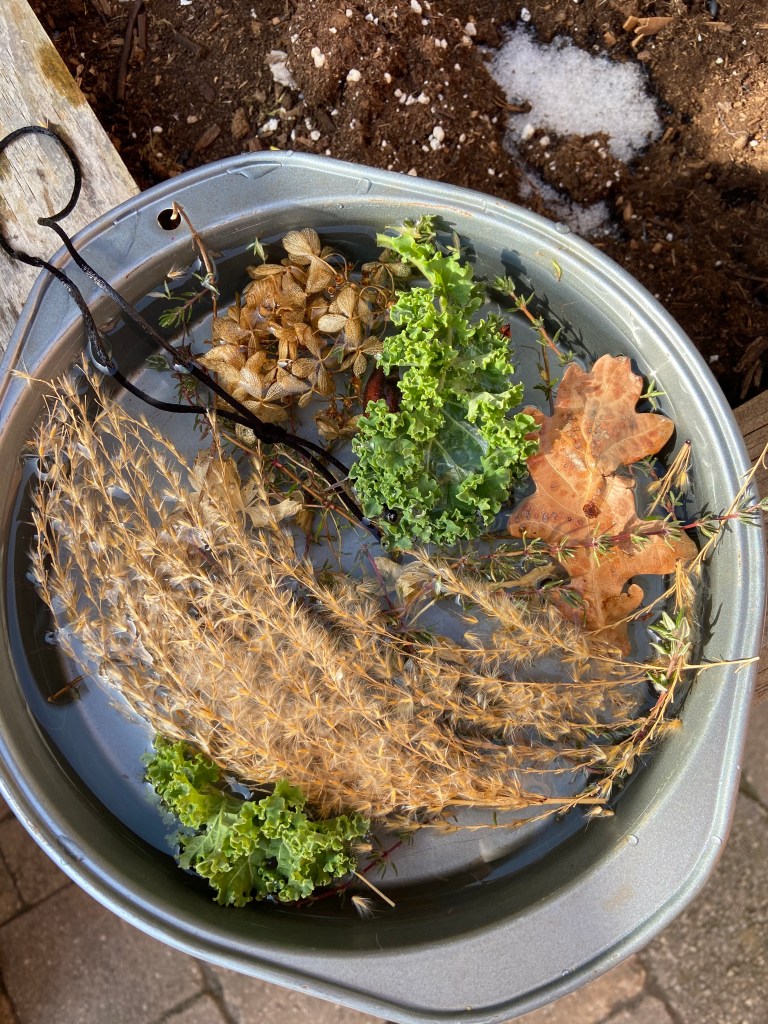
Create art with a pan, yarn, water and nature’s treasures.

Instructions

  1. Get dressed for the cold.
  2. Give child a container (disposable pie trays are recommended for classrooms and can be reused).
  3. Take child outside to collect treasures they can find (pine cones, herbs, tree cuttings, stones etc).
  4. Place the collected items in container.
  5. When finished collecting items: place the items artistically in the container. Place the items in a way that you would like your design to look – be creative.
  6. Gently fill the container with water. Place the end of your tied yarn beneath the water. This is where you will hang your art work from
  7. Place outside and allow to freeze.
  8. Check on your art and observe the freezing process.
  9. Once frozen, pop out your creation and hang from a tree outside. Tip: you may have to run warm water over the back of your pan to release the ice.
These treasures have been creatively placed.

Adaptations

  • Observe how the sunlight shines through the ice.
  • What happens when the weather gets warmer?
  • How does weather affect water?

Skills

  • Science: light, temperature, liquid, solid, melting, frozen, weather, water
  • Math
  • Creative
  • Art
  • Nature
We spent the afternoon observing how the sunlight shines through the ice and making predictions based on weather.
create

Birdseed Ornaments

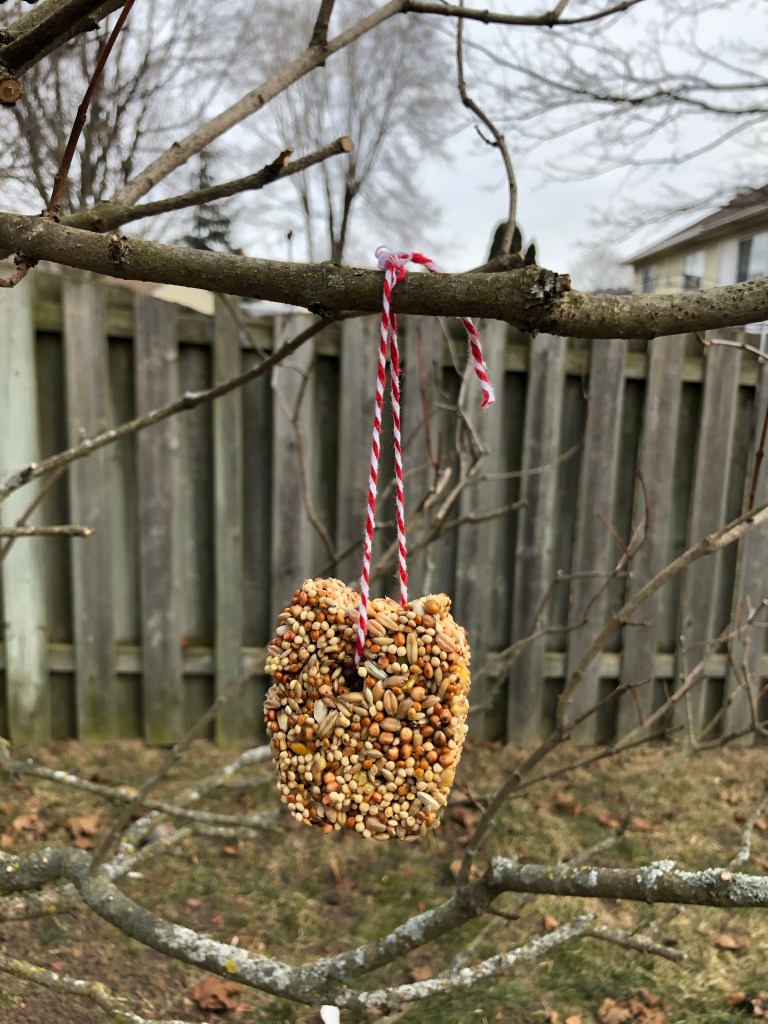
Birdseed ornament hanging on a tree.

At home bird feeders provide a rich opportunity for children to learn many different skills, while observing nature.

Supplies

  • 2 cups birdseed
  • 2 tbs or 2 individual packets of unflavoured gelatin
  • 2/3 cup boiling water
  • Cookie cutters
  • Straw (cut into pieces)
  • Parchment paper (or wax paper)
  • Large bowl
  • Baking sheet
  • Twine
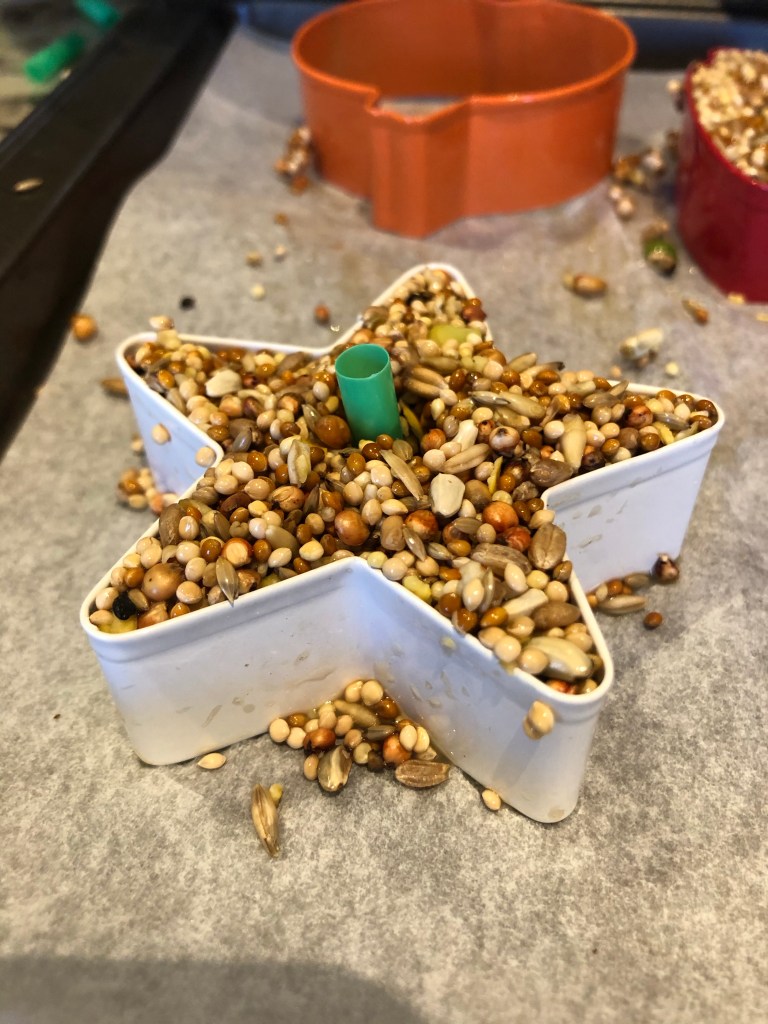
Mixing the birdseed and gelatin.

Instructions

  1. Dissolve 2 tbsp (or 2 individual packets) of gelatin in 2/3 cup of boiling water.
  2. Add 2 cups of birdseed to completely dissolved gelatin. Mix for 2 minutes to allow the seeds to soak up gelatin mixture.
  3. Place cookie cutters onto a baking sheet lined with parchment paper.
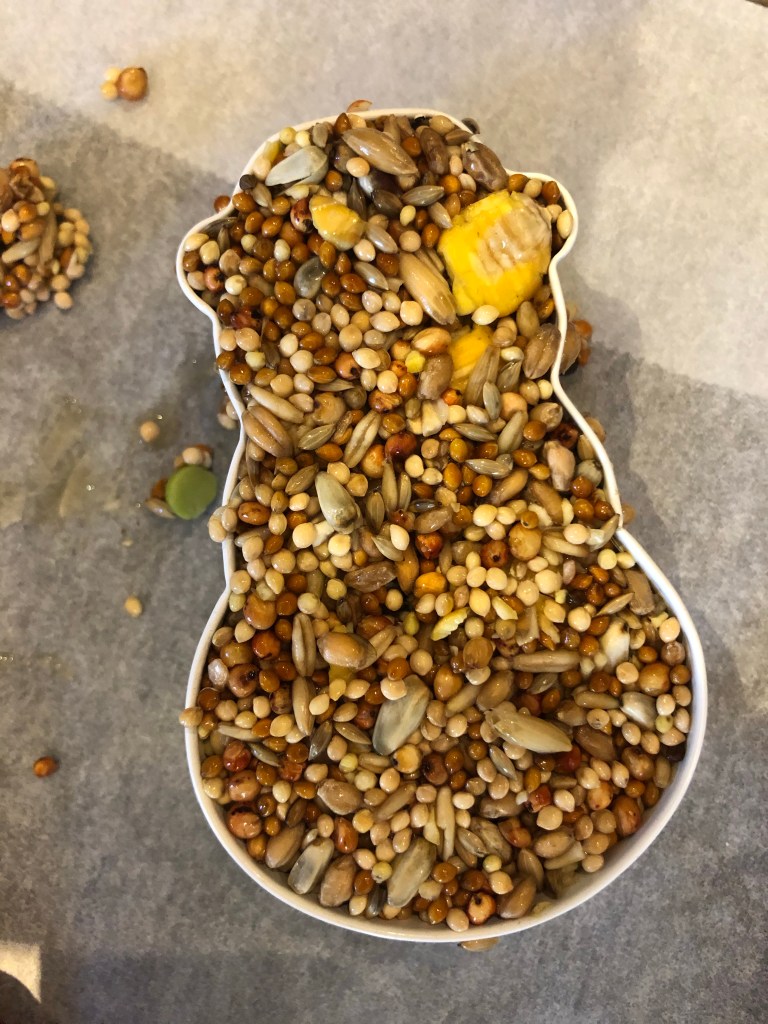
  4. Fill cookie cutters with mixture (slightly above top), as the mixture needs to be tightly packed inside the cookie cutters.
  5. Place another sheet of parchment paper over the filled cookie cutters and press firmly to pack the seeds.
  6. Gently insert a straw into each shape. This will create a hole for the ornament to be hung.
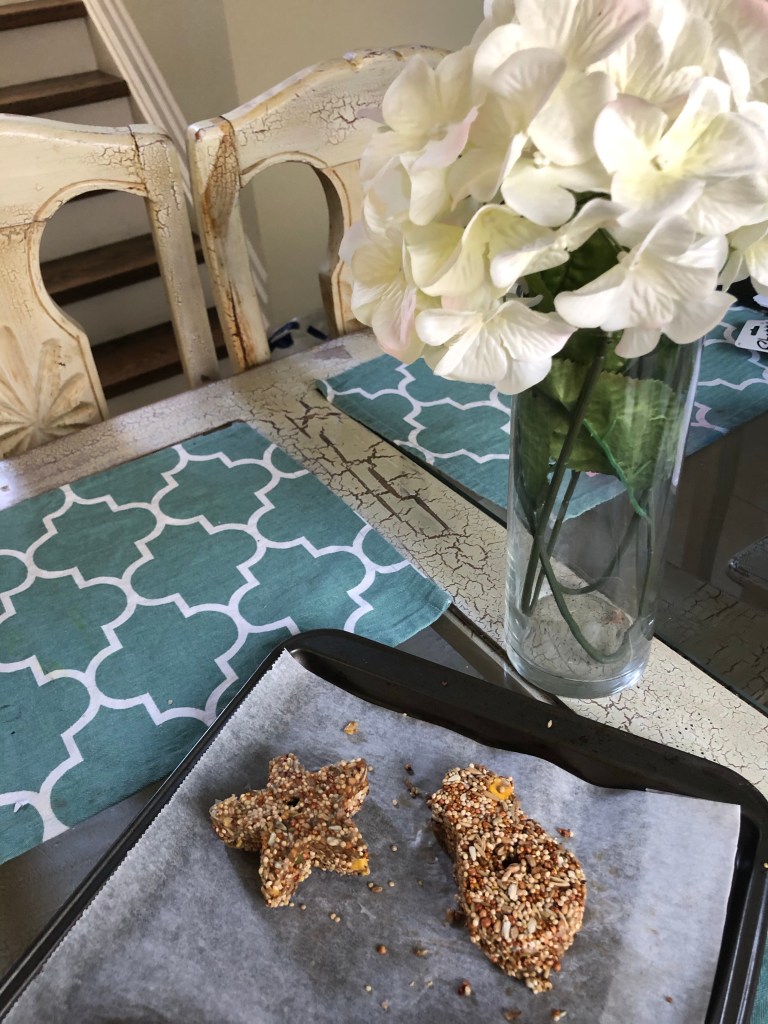
  7. Allow the birdseed cookies to dry for 3-5 hours, flipping them half way though.
  8. Gently push the ornament out of the cookie cutters.
  9. Allow to continue drying overnight.
  10. Gently remove the straw the next morning. Loop the twine through the hole and secure with a knot.
  11. Your ornament is now ready to be hung outside. Enjoy observing the birds eat their treat.
Packing the birdseed int to the cookie cutters.

Adaptations

  • Have a clipboard with paper and a pencil attached so that children can draw or write down their observations. (can also be attached to the window).
  • Have binoculars available at a nearby window to observe the different birds and squirrels who visit the feeder. Tip: We like to use a suction cup hook attached to the window to hold the binoculars so that they are easily accessible).
  • Provide markers, pencil crayons, or water paints so the child can document what they see.
  • Explain the differences between types of birds, and males vs females (colours, size, appearance). Create a chart that children can fill in or check off every time they see a particular kind of bird. We get a lot of Goldfinch in our yard, and my daughter loved checking off whether it was male or female.
  • Incorporate math skills by adding up how many females, males, or kinds of birds.
  • Offer books about birds and squirrels for research (or print information off the internet).
  • Encourage children to ask questions and express their thoughts: what do birds eat? where do they sleep? Where do they live? What colours do you see? What sounds do they make? Different birds sound different? Can you tell what bird it is by how it sounds?
  • The University of Guelph created these amazing Biodiversity Identification sheets that are a fun addition to bird watching. The sheets are available for purchase for a small fee. https://www.uoguelph.ca/arboretum/educationandevents/id-sheets/backyard-birds
This snowman birdseed ornament is tightly packed.
Straw inserted into the birdseed ornament. This creates a hole for the twine to be looped through.

Skills

  • Observation
  • Sight
  • Cognitive
  • Listening
  • Visual discrimination
  • Math
  • Language
  • Fine Motor
  • Science: animals, nature, observation, record taking, documentation, environment, habitat etc

Birdseed ornaments air drying.

Play

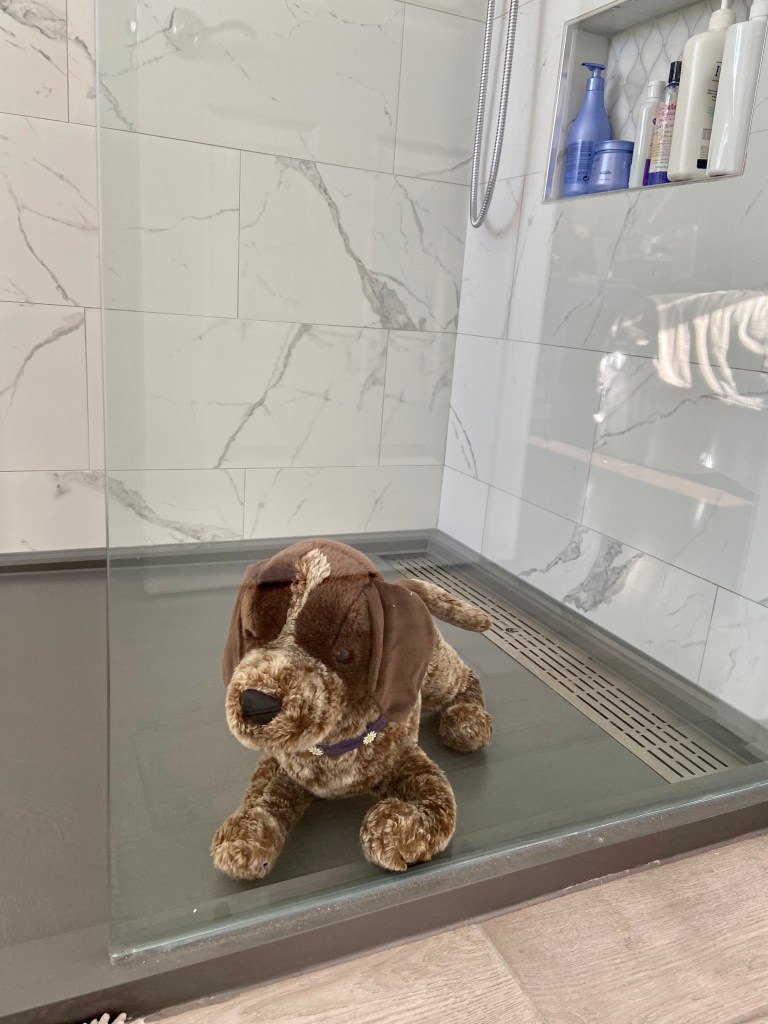
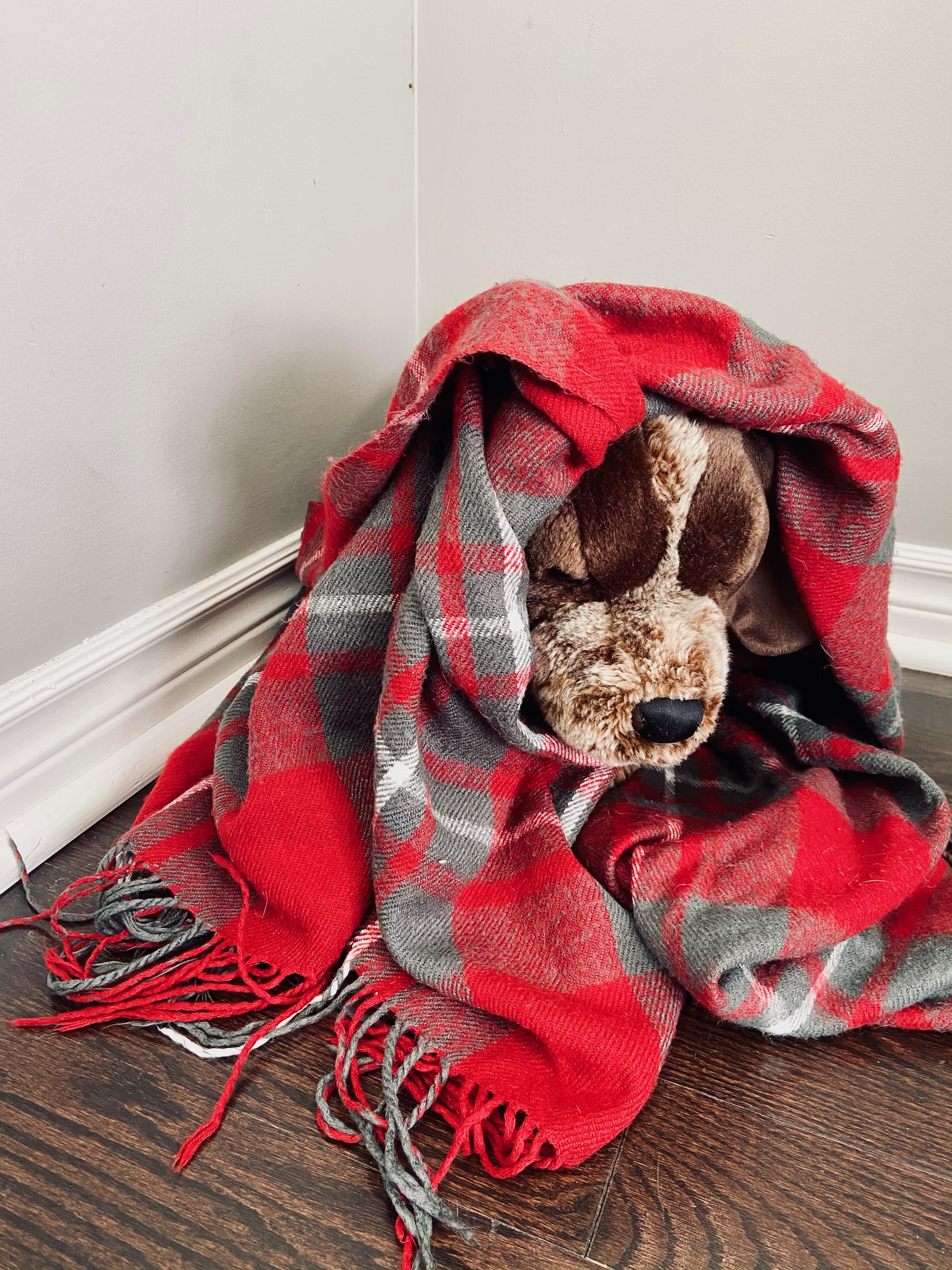
Hide the “Doggie”

Hide the “Doggie” helps build confidence.

Recommended age 8 months and up

Supplies

  • Stuffed animal or doll

Instructions

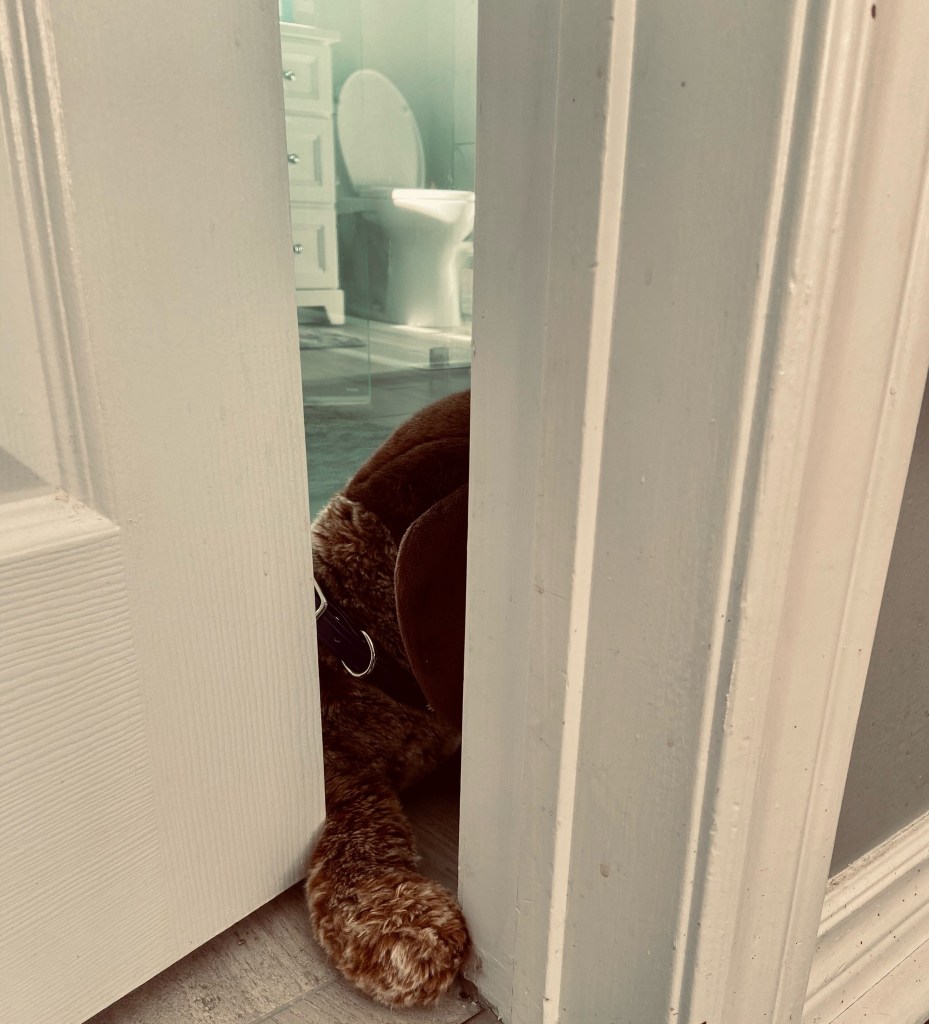
  1. Hide the stuffed animal nearby with a little bit of him sticking out (so that he is easy to find).
  2. Say to your child “Where is Doggie?”
  3. See if your child can find him. If this game is new, you may need to say “Let’s find him” and help your child to find Doggie.
  4. Once you find him say “Yay! You found Doggie!”
  5. Have fun and use lots of praise and excitement in your voice.

Adaptations/Tips:

  • Start by hiding the object in the same room and slowly increase the difficulty based on the needs of the child.
  • Larger stuffed animals are easier to find, smaller toys make the game a little trickier.
  • Hide different objects. Hide item under a blanket and help your child to pull the blanket off and find the item.

Skills

  • Fine motor
  • Gross motor
  • Object permanence
  • Language
  • Social
  • Emotional
  • Confidence and self esteem
  • Cognitive
create

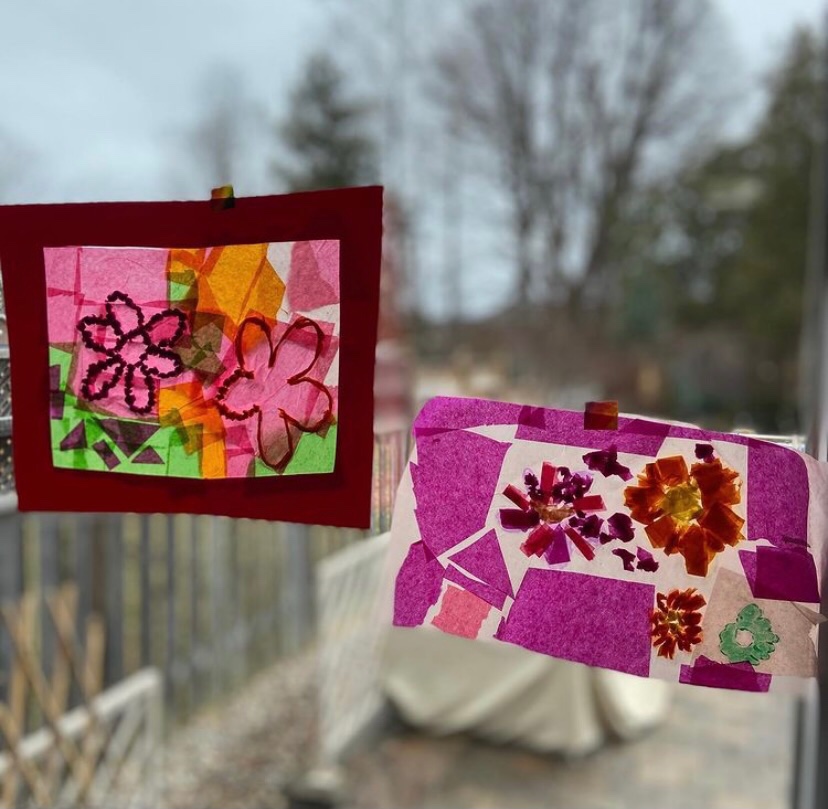
Sun Catcher

Sun catchers on display.

Supplies

  • Contact paper
  • Tissue paper
  • Optional: Card stock or construction paper

Instructions

  1. Cut two equal pieces of contact paper.
  2. Crumple, tear, cut or fold pieces of tissue paper. Remember, there is no wrong way!
  3. Place the pieces of tissue paper on to the sticky side of one of the pieces of contact paper.
  4. Seal your design by placing the unused piece of contact paper on top of your design.
  5. Tape your artwork to a window and admire the beautiful colours as the light shines through.
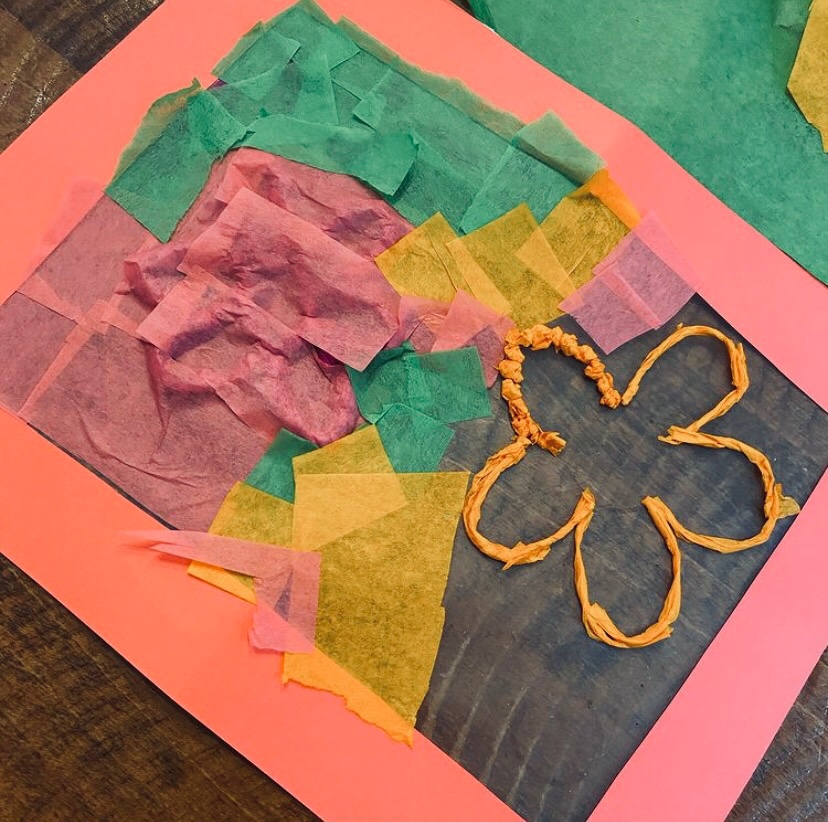
Sun catcher in progress. Papers have been torn, cut and crumpled to create this design.

Optional frame:

  1. Cut the centre out of a piece of card stock or construction paper, in any shape you prefer (ie. square, rectangle, circle or oval).
  2. Place the sticky side of one of the pieces of contact paper to the front of the frame.
  3. Flip over your frame and begin sticking the pieces of tissue paper to the sticky contact paper.
  4. Seal your design by placing the unused piece of contact paper on top of your design.
  5. Tape your artwork to a window and admire the beautiful colours as the light shines through.
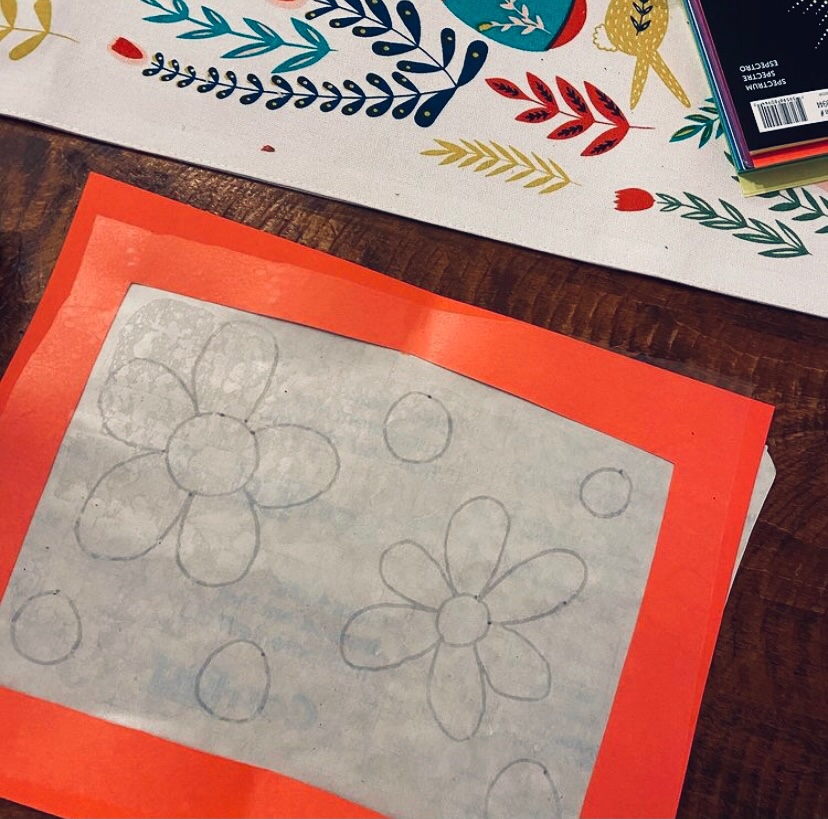
A picture was drawn on with a pencil for this sun catcher in progress.

Skills

  • Fine motor
  • Creative
  • Colour recognition
  • Concentration and focus
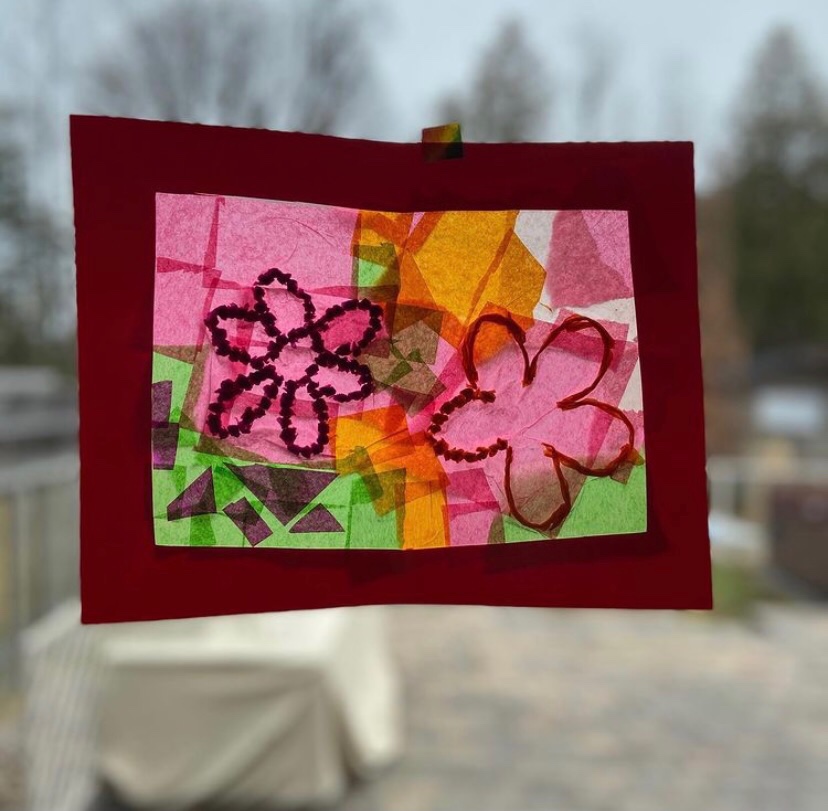
Beautiful sun catcher that brightens up a January day.